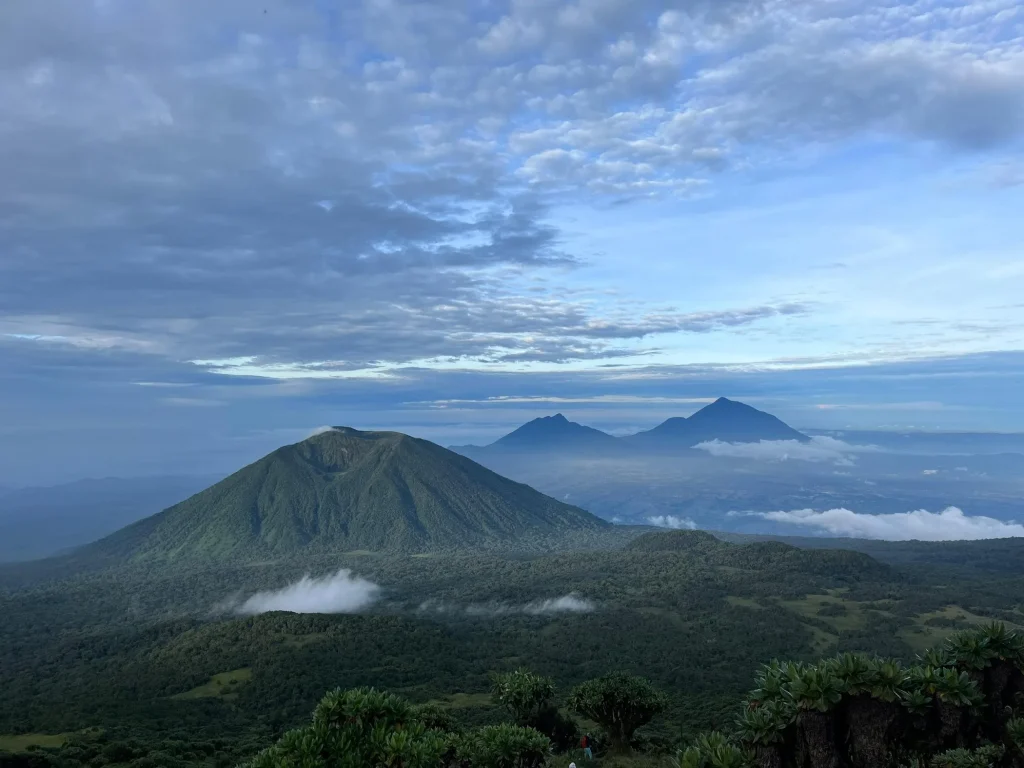
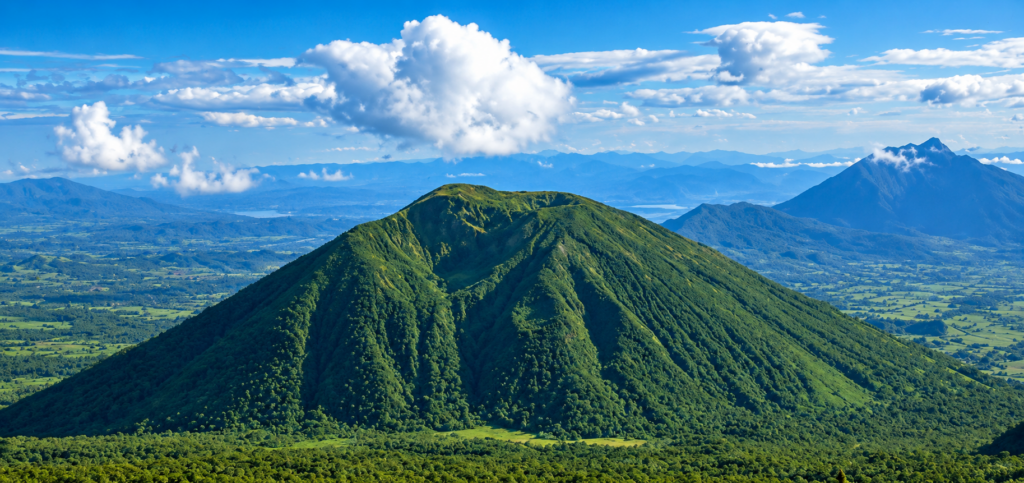
Rugezi Marsh is one of Rwanda’s most remarkable natural landscapes, a high-altitude wetland in the northern part of the country where papyrus vegetation, marsh grasses, open water and surrounding green hills create a distinctive habitat for birds and other wildlife. Located near Lake Burera and Rwanda’s northern border with Uganda, this peaceful wetland is an exceptional destination for birdwatching, nature photography, ecological exploration and responsible community-based tourism.
Unlike Rwanda’s famous mountain gorilla forests and savannah wildlife parks, Rugezi offers a quieter experience shaped by water, vegetation and the rhythms of wetland life. The marsh supports specialised bird species, including the threatened Grauer’s swamp warbler, while also providing habitat for grey crowned cranes, papyrus-associated birds and a variety of other waterbirds.
Rugezi is internationally important for both biodiversity and water management. The wetland forms part of the Rugezi-Burera-Ruhondo Ramsar Site, designated in 2005 under the Ramsar Convention on Wetlands. This internationally recognised wetland complex helps sustain downstream lakes and river systems and supports water resources that are important to surrounding communities and Rwanda’s hydropower production.
For travellers interested in Rwanda’s lesser-known natural attractions, Rugezi Marsh offers an opportunity to explore a different side of the country’s ecological heritage. Its quiet scenery, distinctive birdlife and conservation importance make it especially appealing to birdwatchers, photographers, environmental enthusiasts and visitors seeking meaningful nature experiences away from crowded tourist routes.
A High-Altitude Wetland in Northern Rwanda
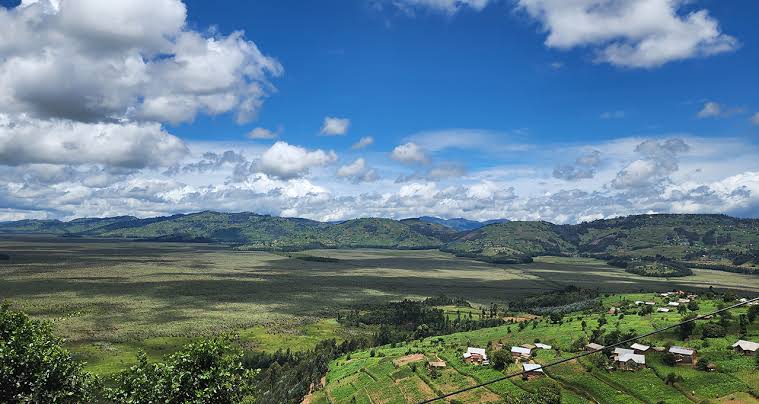
Rugezi Marsh lies at approximately 2,050 metres above sea level in a flooded valley in northern Rwanda, east of Lake Burera. Its wetland environment is shaped by rainfall, streams, water levels and the vegetation that grows across its marshy ground.
The landscape includes extensive marsh grasses, papyrus in parts of the wetland, wet meadows, open-water areas and surrounding highland terrain. These habitats create a distinctive setting that contrasts with Rwanda’s cultivated hillsides and forested national parks.
The marsh’s atmosphere changes with the weather. Mist may drift across the surrounding hills, birds call from within the vegetation, and sections of open water reflect the sky. The combination of wetland and highland scenery makes Rugezi a rewarding destination for visitors who enjoy observing natural landscapes at a slower pace.
Because much of the wetland consists of sensitive marsh habitat rather than developed visitor facilities, exploration should be arranged through suitable local guides or conservation partners. Visitors should respect access restrictions and avoid entering fragile vegetation without guidance.
A Special Destination for Birdwatching
Birdwatching is one of the strongest reasons to visit Rugezi Marsh. The wetland is recognised as an important bird area and supports species that depend on marsh vegetation, shallow water and wetland edges.
One of its most significant birds is Grauer’s swamp warbler, a threatened species associated with high-altitude wetlands in the Albertine Rift region. The marsh also supports grey crowned cranes, whose elegant appearance and distinctive displays make them memorable subjects for birdwatchers and photographers.
Other birds of interest include the papyrus yellow warbler, papyrus canary and a variety of waterbirds and wetland-associated species. The precise birds observed will depend on the season, water conditions, habitat and the areas accessible during a visit.
Birdwatching at Rugezi rewards patience. Some species remain concealed within dense vegetation, so listening for calls and observing movement can be just as important as looking for birds in the open. A knowledgeable local guide can help visitors recognise calls, identify suitable observation points and understand the ecology of the wetland.
For specialist birdwatchers, Rugezi can also form part of a wider Rwanda birding itinerary that includes Nyungwe National Park, Akagera National Park and other wetlands around the country.
Grauer’s Swamp Warbler and Wetland Conservation
Grauer’s swamp warbler is among the most important species associated with Rugezi Marsh. Its dependence on specialised wetland habitat makes the protection of marsh vegetation and water conditions especially important.
Wetland birds can be highly sensitive to changes in habitat structure. Drainage, vegetation clearing, changes in water levels and the conversion of wetland areas for agriculture can reduce the places where birds feed, shelter and breed. Maintaining suitable marsh habitat is therefore essential for the long-term survival of species that depend on it.
Rugezi’s conservation significance extends beyond a single bird. Protecting the wetland helps maintain an ecological community that includes plants, insects, amphibians and other organisms that support the broader food web.
Visitors interested in conservation can use a guided birdwatching excursion to learn about the relationship between wetland health and wildlife survival. Responsible observation also helps minimise disturbance to birds, particularly in sensitive feeding and breeding areas.
Grey Crowned Cranes and the Beauty of Wetland Wildlife
The grey crowned crane is another remarkable bird associated with Rwanda’s wetlands. With its golden crown, contrasting plumage and graceful movements, it is one of the region’s most recognisable birds.
Rugezi provides habitat for grey crowned cranes and other wetland-associated species. Depending on the location and conditions, visitors may have opportunities to observe birds feeding, calling or moving across wetland edges.
The marsh is also important for less conspicuous wildlife. Insects, amphibians and other small animals live among the grasses and aquatic vegetation, supporting the ecological relationships that keep the wetland functioning.
Wildlife observation here is different from a conventional game drive. Instead of searching for large mammals across open plains, visitors focus on bird calls, movement through vegetation, water levels and the small details of the wetland environment.
This makes Rugezi especially suitable for travellers who appreciate quiet observation and the opportunity to understand an ecosystem in greater depth.
Lake Nyagafunzo and Open-Water Birdlife
At the southern end of Rugezi Marsh, an area of open water known as Lake Nyagafunzo provides a different setting from the densely vegetated marsh. The open-water habitat can be rewarding for observing more visible waterbirds and appreciating the transition between marsh vegetation and standing water.
Birdwatching around open water may offer opportunities to look for ducks, waders and other water-associated species. The species present will vary with the season, water conditions and the location of the observation point.
A boat excursion has been described as a possible birdwatching experience in this area, but visitors should confirm whether boat trips are currently operating, where they depart from and whether local authorisation is required before making plans.
Even without a boat trip, suitable observation points around accessible wetland edges may offer worthwhile opportunities to enjoy the scenery and search for birds. Visitors should follow local guidance and avoid disturbing birds or damaging vegetation.
A Ramsar Wetland of International Importance
Rugezi forms part of the Rugezi-Burera-Ruhondo Ramsar Site, a wetland complex recognised internationally in 2005. Ramsar designation highlights wetlands that are important for their ecological character, biodiversity and the services they provide to people.
The recognised site covers approximately 6,736 hectares and includes the Rugezi wetland and the associated Burera and Ruhondo lake system. This figure refers to the Ramsar site as a whole, not just the marsh itself.
The wetland supports threatened bird species and contributes to the ecological health of the northern highlands. Its recognition also reflects the importance of managing wetlands as living systems that connect wildlife, water, vegetation and human communities.
For visitors, this designation adds an important conservation dimension to the experience. Rugezi is not simply a scenic marsh; it is part of a nationally and internationally significant natural system that requires careful management and long-term protection.
The Wetland’s Role in Rwanda’s Water Resources
Rugezi Marsh plays an important role in regulating and supplying water within the wider landscape. Water moves through the wetland towards Lake Burera and connected downstream systems, helping sustain the lakes and watercourses associated with the region.
Healthy wetlands can store water, slow runoff, trap sediments and support water quality. These functions are especially valuable in highland landscapes where rainfall, slopes and land use influence the movement of water through the environment.
Rugezi also contributes to water resources used in Rwanda’s hydropower system. The wider wetland and lake system is linked to water supplies important for hydroelectric generation, including facilities associated with the Ntaruka and Mukungwa systems.
The marsh therefore has significance far beyond its immediate boundaries. Its condition can influence ecological processes, water availability and economic activities downstream, demonstrating why wetland conservation matters to both wildlife and people.
Wetland Plants, Papyrus and Marsh Vegetation
The vegetation of Rugezi Marsh is adapted to waterlogged soils and changing water levels. Marsh grasses dominate large parts of the wetland, while papyrus and other wetland plants occur in suitable areas.
These plants create shelter and feeding habitat for birds and other wildlife. They also help stabilise wetland soils and contribute to the natural processes through which wetlands retain water and support biodiversity.
Different parts of the marsh can look very different. Dense vegetation provides concealment for small birds, while more open sections may attract waterbirds. The boundaries between marsh, wet meadow and open water create a range of microhabitats within the wider wetland.
Guided walks and birdwatching visits can help visitors appreciate these details and understand why maintaining natural vegetation is important. The marsh should be treated as a sensitive ecosystem, not as an area to explore freely without regard for wildlife or access conditions.
Community Life Around Rugezi Marsh
The communities surrounding Rugezi are closely connected to the highland landscape through agriculture, livestock keeping and other rural livelihoods. The wetland is part of a living landscape where conservation and local needs must be considered together.
Community-based experiences, where available, can introduce visitors to rural life, local environmental initiatives and the importance of protecting water and wetland resources. Visits may be arranged through local guides or conservation organisations that work with surrounding communities.
These experiences are best approached respectfully and with the participation of local hosts. Visitors should ask permission before photographing people or private property and should follow guidance about where they can walk.
Supporting local guiding and community tourism can help spread the benefits of responsible travel while creating opportunities for residents to participate in conservation and visitor services.
Rugezi Ornithology Centre and Bird Conservation
The Rugezi Ornithology Centre promotes bird learning, conservation, research and community engagement in the northern Rwanda landscape. It offers a potential starting point for visitors who want to understand the importance of wetland birds and the work involved in protecting them.
Depending on current programmes, visitors may be able to arrange guided walks, learn about bird conservation and discover how local initiatives contribute to environmental education and habitat restoration.
An ornithology-focused visit can be especially valuable for students, birdwatchers, photographers and travellers who want more than a general scenic excursion. It provides context for understanding why wetlands such as Rugezi are important and how observation, research and community participation can support conservation.
Visitors should confirm opening times, available guides, activities and access arrangements before travelling, as programmes may vary.
Nature Photography and Peaceful Wetland Exploration
Rugezi Marsh offers rewarding opportunities for nature photography, especially for visitors who enjoy birds, landscapes and quiet natural settings.
The surrounding highlands, marsh vegetation and open-water areas create varied compositions. Photographers may capture birds against wetland grasses, reflections on calm water, layers of green hills and mist moving through the landscape.
Bird photography requires patience and appropriate equipment. A telephoto lens and binoculars can help visitors observe birds without approaching too closely. Early or late daylight may create attractive conditions, but the weather and visibility can change quickly.
Landscape photographers can focus on the contrast between open marsh, vegetation and surrounding hills. Because the wetland is ecologically sensitive, visitors should use authorised paths and observation points rather than entering fragile habitat to obtain a photograph.
Why Include Rugezi Marsh in Your Rwanda Journey?
Rugezi Marsh reveals a side of Rwanda that many visitors overlook. Instead of focusing on large mammals or mountain trekking, it offers a close look at wetland biodiversity, threatened birds, highland scenery and the ecological systems that support water and wildlife.
It is particularly rewarding for birdwatchers, nature photographers, conservation enthusiasts and travellers who prefer quieter destinations. Its international conservation importance adds depth to the experience, while nearby lakes and highland communities provide opportunities to extend the visit.
Combined with Volcanoes National Park, the Twin Lakes region or other northern Rwanda destinations, Rugezi can become part of a varied itinerary that showcases the country’s natural diversity.
For visitors willing to slow down, listen carefully and appreciate the details of a living wetland, Rugezi Marsh offers a memorable and meaningful nature experience.
Main Attractions
01
Rugezi Marsh: The main attraction is the high-altitude wetland itself, with marsh grasses, papyrus in parts, wet meadows, streams and open-water areas forming a distinctive landscape in northern Rwanda.
02
Grauer’s Swamp Warbler: One of the most important bird species associated with the marsh, this threatened wetland specialist makes Rugezi particularly significant for conservation-minded birdwatchers.
03
Grey Crowned Cranes: These striking birds are associated with Rwanda’s wetlands and may be observed in suitable areas of the Rugezi landscape, depending on conditions and seasonal movements.
04
Papyrus Yellow Warbler Habitat: The marsh supports specialised wetland birdlife, including habitat associated with the papyrus yellow warbler, a species of conservation interest.
05
Papyrus Canary: This wetland-associated bird is among the species of interest to birdwatchers exploring Rwanda’s marshes and papyrus habitats.
06
Lake Nyagafunzo: An open-water area at the southern end of the marsh, noted for its potential to provide birdwatching opportunities different from those found in densely vegetated wetland areas.
07
Rugezi-Burera-Ruhondo Ramsar Site: The wider wetland complex was designated a Wetland of International Importance in 2005 and covers approximately 6,736 hectares.
08
Highland Wetland Scenery: The marsh’s location at approximately 2,050 metres above sea level creates a scenic environment of wetland vegetation, open water and surrounding green hills.
09
Wetland Grasses and Papyrus Vegetation: The marsh’s plant communities create essential habitat for specialised birds and contribute to the ecological functioning of the wetland.
10
Water Catchment Landscape: Rugezi contributes to the water systems feeding Lake Burera and connected downstream waterways, making the wetland important for both ecology and local livelihoods.
11
Rugezi Ornithology Centre: A bird-focused conservation and learning initiative in the northern Rwanda landscape that may offer guided activities, conservation education and community engagement, subject to current availability.
12
Wetland Birdwatching Areas: Different marsh edges, open-water areas and vegetation zones provide opportunities to look for waterbirds and wetland specialists with an experienced guide.
13
Lake Burera: Located near the marsh, this scenic lake can be incorporated into a wider northern Rwanda excursion and offers a contrasting open-water landscape.
14
Lake Ruhondo: Another lake within the wider Ramsar wetland complex, adding to the scenic and ecological diversity of the surrounding region.
15
Wetland Conservation Landscape: Rugezi is important for biodiversity, water regulation and hydropower-related water resources, making conservation part of the destination’s central story.
Things To Do
01
Guided Birdwatching: Explore suitable wetland observation points with a local guide who can help identify bird calls, locate species and explain the ecology of Rugezi Marsh.
02
Grauer’s Swamp Warbler Search: Look for this threatened wetland specialist in appropriate marsh habitat. Sightings are not guaranteed, and visitors should avoid disturbing dense vegetation.
03
Grey Crowned Crane Observation: Search for these distinctive birds in suitable wetland areas while maintaining a respectful distance and following the guide’s instructions.
04
Waterbird Watching: Observe birds around open water, marsh edges and wetland vegetation. Species vary with water levels, season and habitat conditions.
05
Nature Photography: Capture wetland scenery, birds, surrounding hills and changing light. Binoculars and a telephoto lens are useful for observing and photographing wildlife without approaching too closely.
06
Landscape Photography: Photograph the contrast between marsh vegetation, open water and the northern highlands, particularly when mist and cloud create atmospheric conditions.
07
Guided Wetland Walks: Where authorised routes are available, explore the wetland margins with a guide and learn about its plants, birds, water systems and conservation value.
08
Visit the Rugezi Ornithology Centre: If operating and accepting visitors, learn about bird research, conservation, environmental education and community engagement through an arranged visit.
09
Conservation Learning: Discover why wetland protection matters for threatened bird species, water resources and the surrounding communities.
10
Wetland Plant Observation: Learn about marsh grasses, papyrus and other wetland vegetation and how these plants provide habitat and support ecological processes.
11
Community-Based Experiences: Where available, join a locally arranged experience to learn about rural life, wetland conservation and the relationship between communities and natural resources.
12
Lake Nyagafunzo Birdwatching: Explore the open-water area at the southern end of the marsh if access is available. Confirm whether boat excursions are currently offered before planning a trip.
13
Lake Burera Excursion: Combine a visit to Rugezi with a trip to nearby Lake Burera for scenic views and a broader exploration of northern Rwanda.
14
Lake Ruhondo Excursion: Include Lake Ruhondo in a wider itinerary to experience another part of the Ramsar wetland and lake landscape.
15
Northern Rwanda Nature Circuit: Combine Rugezi Marsh with Musanze, the Twin Lakes region and Volcanoes National Park, allowing sufficient time for travel and guided activities.
 gorilla, golden monkey, chimpanzee trekking, cultural & wildlife safari