Kidepo Valley National Park is one of Uganda’s most remote and spectacular wilderness destinations, situated in the far northeastern corner of the country in Kaabong District. Covering approximately 1,442 km², the park is characterized by vast savannah plains, rugged mountains, seasonal river valleys and dramatic landscapes that give visitors a remarkable sense of untouched African wilderness.
Dominated by the rugged silhouette of Mount Morungole and shaped by the Kidepo and Narus valley systems, the park offers a very different safari experience from Uganda’s more frequently visited destinations. Its isolation has helped preserve a landscape where wildlife, expansive scenery and distinctive local cultures remain central to the visitor experience.
A Remote Wilderness of Northern Uganda
Kidepo is one of Uganda’s most isolated national parks. It lies approximately 220 km by road northwest of Moroto and about 520 km northeast of Kampala. The long journey into the Karamoja region is part of the experience, taking travellers through changing landscapes and communities before reaching the open savannah of the park.
The remoteness of Kidepo gives it a particularly wild atmosphere. There is little urban infrastructure around the park, and the wide open valleys and rugged mountains create a strong feeling of travelling deep into an African wilderness.
The Kidepo and Narus Valleys
Two major valley systems define the park: the Kidepo Valley and Narus Valley. Their different water availability and rainfall patterns influence where wildlife is concentrated throughout the year.
The Narus Valley is especially important during the dry season because it retains water and supports concentrations of wildlife around its permanent and semi-permanent water sources. This makes the valley one of the most rewarding areas for game viewing and photography.
The Kidepo Valley, by contrast, is characterized by a more open and arid landscape. Its broad plains provide spectacular views towards the surrounding mountains and create some of the most memorable scenery in the park.
Mount Morungole and the Northern Landscape
Mount Morungole provides a dramatic backdrop to the park, rising above the surrounding savannah and valley systems. The contrast between mountain slopes, open grasslands, scattered trees and dry river valleys gives Kidepo a landscape unlike most other Ugandan safari destinations.
The northern part of the park also offers access towards Kanangorok Hot Springs, an important geographical and scenic feature in the remote Kidepo Valley.
Exceptional Wildlife Diversity
Kidepo is home to more than 77 mammal species, including lions, elephants, buffaloes, leopards, cheetahs, hartebeests, elands, oribi, reedbuck, waterbuck and other antelope species.
The park is particularly notable for species that are difficult to encounter elsewhere in Uganda. Cheetahs are one of Kidepo’s most distinctive wildlife attractions, while the region’s dry northern savannah also supports species such as bat-eared foxes, striped hyenas, aardwolves and caracals.
Large buffalo herds and elephants can also be encountered, while lions are among the major predators of the park. The combination of open terrain, low visitor numbers and distinctive wildlife makes game viewing in Kidepo especially rewarding.
A Birdwatcher’s Destination
Kidepo Valley National Park supports an exceptional bird population, with the source documenting more than 475 bird species. The southern Narus Valley is particularly important for birdwatching, with a mixture of savannah, woodland and wetland habitats attracting a wide range of species.
Birds associated with the region include hoopoes, Nubian woodpeckers, vinaceous doves, scarlet-chested sunbirds, mosque swallows, superb starlings, little weavers, singing bush larks, Abyssinian ground hornbills, Karamoja apalis, Ethiopian swallows, African grey flycatchers, white-billed tits, slate-coloured boubous and red-billed oxpeckers.
The combination of northern savannah habitats and the park’s location makes Kidepo particularly attractive to visitors interested in Uganda’s less frequently encountered birdlife.
Wildlife Around Water in the Dry Season
Water availability is one of the most important factors influencing wildlife movements in Kidepo. During the dry season, animals become increasingly concentrated around reliable water sources, particularly in the Narus Valley.
These concentrations create excellent opportunities for game tracking and wildlife photography. Visitors can observe interactions between herbivores and predators while enjoying expansive views across the savannah.
The Karamojong Cultural Landscape
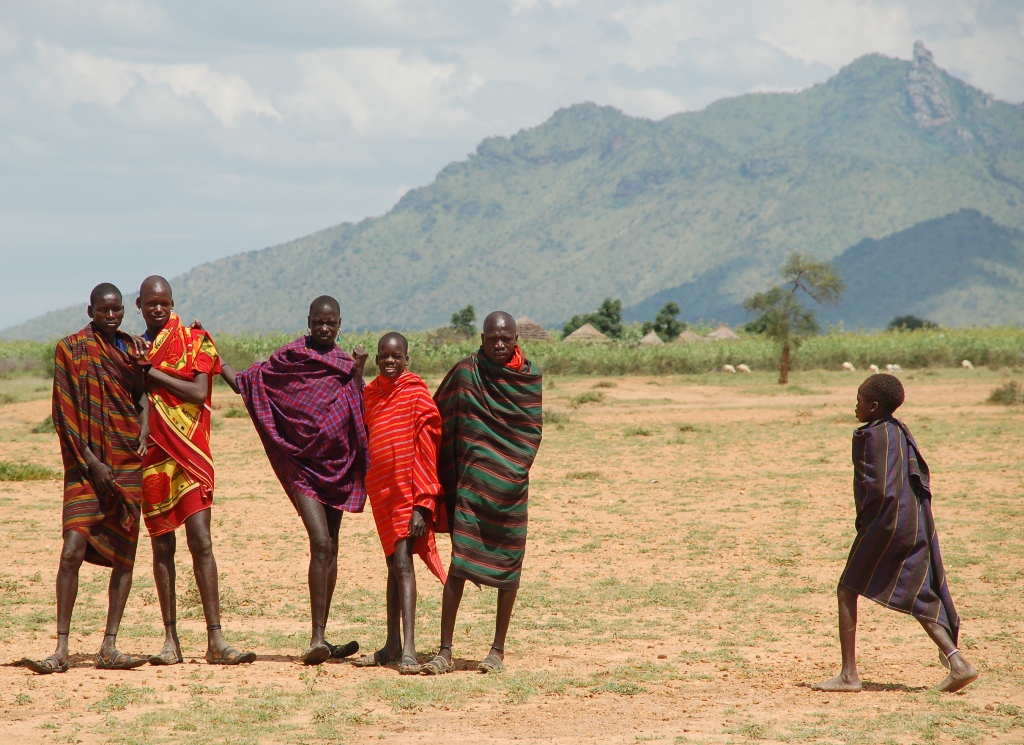
A journey to Kidepo is also an opportunity to experience the distinctive cultural heritage of northeastern Uganda. The wider Karamoja region is traditionally associated with pastoral communities whose livelihoods have historically been closely connected to cattle.
Traditional homesteads, known as manyattas, are an important part of the cultural landscape. Carefully arranged cultural experiences can introduce visitors to local traditions, livelihoods, music, dance, crafts and community life.
The region is also home to the Ik people, whose communities are associated with the mountains around the Kidepo area. Cultural encounters should be approached respectfully and with local community participation at their centre.
An Adventure Rather Than a Quick Stop
Kidepo is best experienced at a relaxed pace. Because of its remote location and the long journey required to reach it, spending several nights allows visitors to experience more of the park’s landscapes, wildlife and cultural surroundings.
A longer stay also provides opportunities for different game-viewing areas, changing light for photography, guided experiences and time to appreciate the quietness of the wilderness.
The Spirit of Kidepo
Kidepo Valley National Park represents a side of Uganda that feels genuinely distant from the country’s urban centres. Its enormous savannah plains, rugged mountains, unusual wildlife, rich birdlife and distinctive cultural setting combine to create an experience that is difficult to replicate elsewhere.
For travellers looking for wilderness, adventure and a deeper connection with northeastern Uganda, Kidepo is more than a safari destination. It is a journey into one of the country’s most remote and memorable landscapes.
Main Attractions
01
Narus Valley. A wildlife-rich valley where animals concentrate around available water during the dry season.
02
Kidepo Valley. A spectacular remote valley characterised by open savannah, seasonal watercourses and dramatic wilderness scenery.
03
Kidepo Savannah Landscape. Vast open plains, shrubs, grasslands and rugged mountain scenery provide an exceptional setting for game viewing and photography.
04
Cheetahs. Kidepo is highlighted in the source as the only Ugandan national park where cheetahs are found.
05
Large Buffalo Herds. The park is renowned for its substantial buffalo population and dramatic wildlife encounters.
06
Lions. Kidepo supports lions, including occasional sightings of lions climbing trees.
07
Elephants. Elephants are among the major large mammals encountered across the park.
08
Antelope Diversity. Hartebeest, oribi, eland, reedbuck, waterbuck, bushbuck and duiker contribute to Kidepo's impressive wildlife diversity.
09
Birdlife. More than 475 bird species are recorded in the source, making Kidepo an exceptional destination for bird enthusiasts.
10
Kanangorok Hot Springs. A natural feature in the northern part of the park associated with the Kidepo Valley landscape.
11
Karamoja Cultural Landscape. The surrounding region provides opportunities to discover distinctive pastoral traditions and local ways of life.
12
Mountain and Valley Scenery. The rugged mountains and broad valleys create some of Uganda's most dramatic safari landscapes.
Things To Do
01
Game Drives. Explore the savannah and valleys in search of elephants, lions, buffaloes, cheetahs, leopards and antelope.
02
Wildlife Viewing in Narus Valley. Follow wildlife concentrations around the Narus Valley, particularly during the dry season.
03
Kidepo Valley Exploration. Discover the remote northern landscape and its spectacular savannah scenery.
04
Birdwatching. Search for Kidepo's diverse birdlife, including species associated with the Karamoja region.
05
Wildlife Photography. Capture dramatic landscapes, large mammals, birds and the distinctive scenery of northeastern Uganda.
06
Scenic Drives. Travel across the park's rugged terrain while experiencing its changing landscapes and wildlife habitats.
07
Cultural Encounters. Meet local communities and learn about traditions, livelihoods and life in the Karamoja region.
08
Karamojong Community Experiences. Discover traditional pastoral culture, cattle-keeping practices, homesteads and community traditions.
09
Cultural Experiences. Learn about the distinctive heritage and way of life of the people living in the wider Kidepo landscape.
10
Visit Kanangorok Hot Springs. Explore one of the notable natural features in the northern part of the park.
11
Nature Exploration. Experience the park's savannah vegetation, seasonal rivers, valleys and mountain scenery.
12
Extended Wilderness Safaris. Spend several days exploring Kidepo rather than treating it as a brief overnight stop.
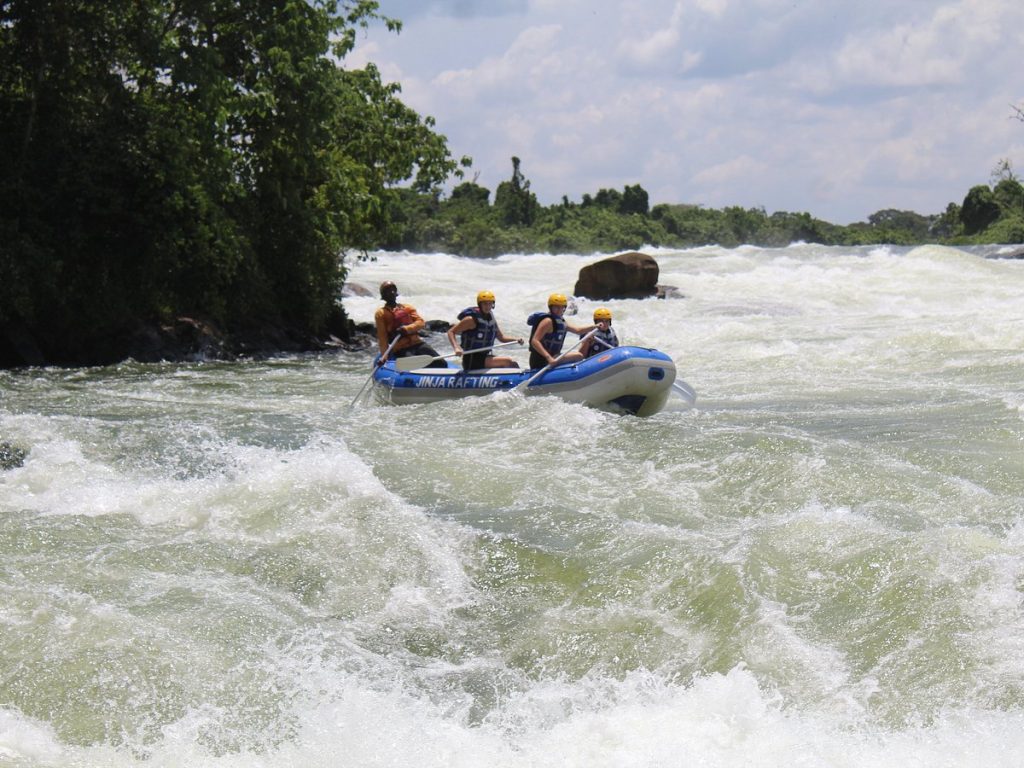 white-water rafting & adventure safari