Katonga Wildlife Reserve is one of western Uganda’s most distinctive and quietly rewarding protected areas. Covering approximately 207 square kilometres, the reserve protects a remarkable mosaic of savannah, woodland, riverine habitats, papyrus wetlands and seasonal and permanent swamps.
At the centre of this landscape is the Katonga wetland system, which creates an important network of habitats for wildlife adapted to both dry land and water. The reserve is particularly notable for its viable population of sitatunga, a secretive semi-aquatic antelope specially adapted to life in dense marshland.
Unlike Uganda’s larger and more heavily visited safari destinations, Katonga offers a more intimate wilderness experience. Its appeal lies in its wetlands, quieter landscapes, specialist wildlife and the opportunity to explore a lesser-known part of Uganda’s conservation network.
The History of Katonga
Katonga was originally gazetted as a game reserve in 1964. It became a Wildlife Reserve in 1996 following the formation of the Uganda Wildlife Authority.
The reserve was established in part because of the importance of its wetland and savannah ecosystems and its position within a broader wildlife landscape in western Uganda.
Historically, Katonga supported a wider range of large mammals than it does today. Poaching, agricultural encroachment and livestock grazing placed significant pressure on the reserve during the twentieth century.
Conservation efforts have since focused on strengthening protection, restoring wildlife populations and improving management of the wetland and savannah ecosystem.
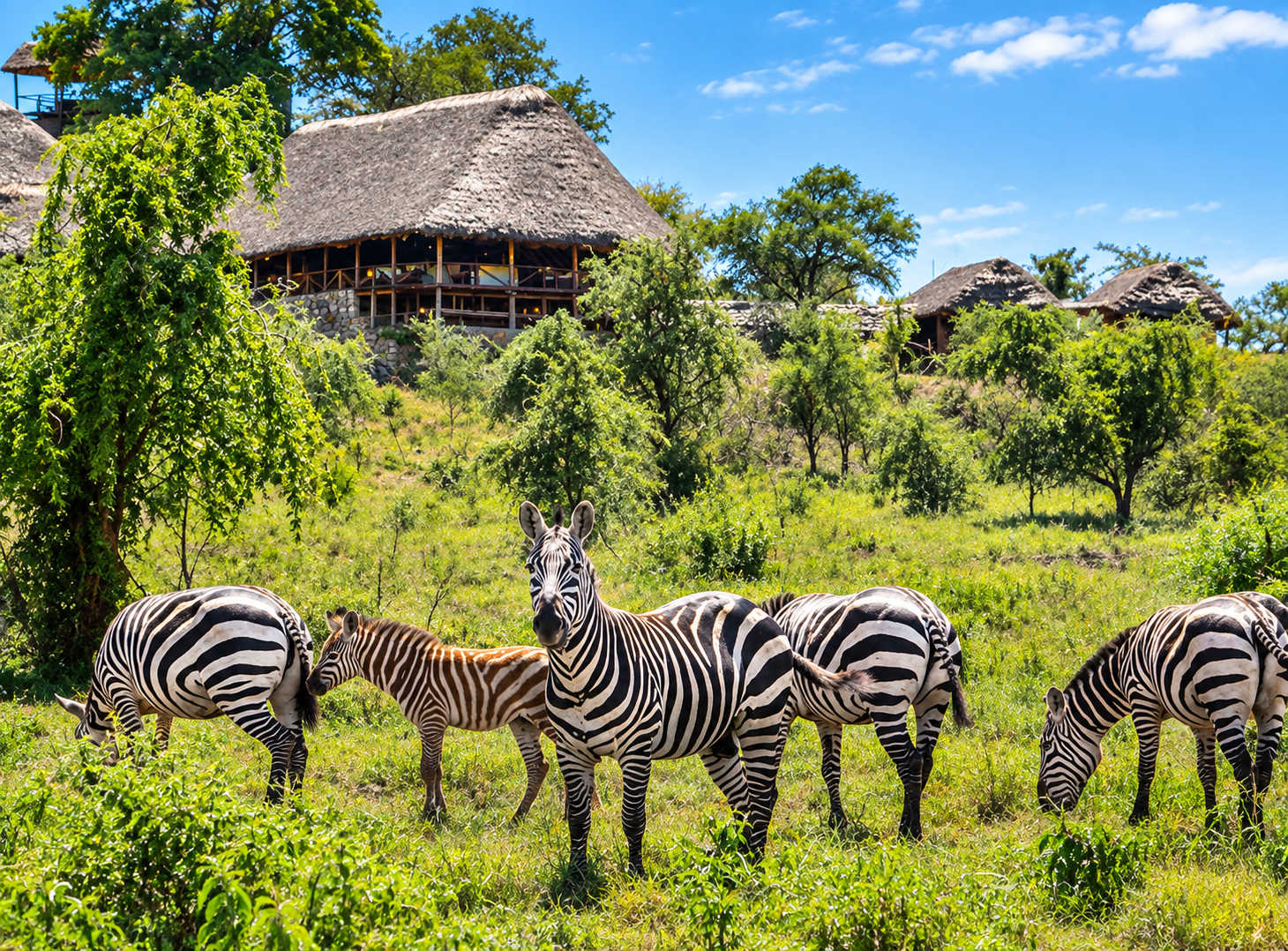
In 2014, encroachers were evicted from the reserve, while wildlife-restocking initiatives have included the translocation of impala and zebra.
A Landscape of Wetlands, Savannah and Woodland
Katonga’s landscape is unusually diverse for a relatively compact protected area.
Its vegetation includes open grasslands, wooded grasslands, acacia-dominated woodland, riverine woodland, riverine grasslands, papyrus wetlands, permanent swamps and seasonal wetlands.
This combination of habitats is one of Katonga’s greatest ecological strengths.
During wetter periods, wetlands expand and water channels become prominent across the landscape. During drier periods, open grasslands and woodland provide important feeding areas for antelopes and other wildlife.
The reserve’s riverine habitats add another ecological layer, creating shelter and feeding opportunities for primates, birds, reptiles and other species associated with water.
The Katonga Wetland System
The Katonga wetland system is central to the identity of the reserve.
Papyrus and other wetland vegetation create ideal conditions for species that depend on marshland habitats. The wetlands also provide important ecological functions, including water storage, habitat protection and support for aquatic and semi-aquatic wildlife.
For nature lovers, the wetlands offer an experience very different from the classic open-savannah safari. Instead of vast plains dominated by large herds, Katonga rewards patience and careful observation.
The rustling of papyrus, movement through tall grass, distant calls of birds and glimpses of wildlife along the water create a more intimate form of wilderness.
Sitatunga – Katonga’s Signature Wildlife
The sitatunga is one of Katonga’s defining attractions.
This specialised antelope is highly adapted to swamp environments, with splayed hooves that help it move through soft wetland ground.
Katonga supports a viable sitatunga population within the Katonga Wetland System, making the reserve particularly important for this species in Uganda.
Sitatunga can be difficult to observe because they often remain concealed within dense vegetation. Encountering one is therefore a rewarding experience for visitors who enjoy patient wildlife watching and less predictable safari encounters.
Other Wildlife
Katonga supports a diverse collection of mammals despite its relatively small size.
Wildlife recorded in the reserve includes elephants, buffaloes, waterbucks, bushbucks, reedbucks, sitatunga, Uganda kob, duikers and chevrotain.
The reserve also supports impala, following a successful restocking programme, together with hippos and other wetland-associated wildlife.
Primates include black-and-white colobus monkeys and olive baboons, while river otters inhabit suitable waterways.
Leopards are also recorded within the reserve, although sightings are naturally unpredictable.
The combination of wetland, woodland and savannah habitats makes Katonga particularly interesting for travellers who enjoy searching for species rather than simply ticking off a standard safari list.
Birdlife of Katonga
Birdwatching is another major attraction.
UWA records more than 150 bird species in Katonga, including species associated with wetlands, savannah and forest habitats.
Papyrus and swamp environments create opportunities for observing specialist wetland birds, while woodland and grassland habitats add a wider variety of species.
The reserve’s relatively low visitor numbers can also make birdwatching feel peaceful and unhurried.
For birders, Katonga is particularly attractive because several different habitat types can be explored within a relatively compact protected area.
A Refuge for Wetland Wildlife
Katonga’s importance extends beyond its individual animal species.
The reserve protects a complex wetland ecosystem that supports mammals, birds, reptiles, amphibians, butterflies and aquatic life.
Wetlands also perform essential ecological functions, including water regulation, habitat provision and support for surrounding landscapes.
Protecting Katonga therefore contributes not only to wildlife conservation but also to the wider ecological health of western Uganda.
Wildlife Conservation and Recovery
Katonga has experienced significant conservation challenges.
During periods of intense poaching between the 1970s and 1980s, many wildlife populations were severely reduced. Agricultural encroachment and cattle grazing also placed pressure on the reserve.
Conservation interventions have subsequently helped strengthen protection and rebuild selected wildlife populations.
In 2015, 60 impala and five zebra were translocated into Katonga to support wildlife recovery and tourism development. UWA reports that the impala population subsequently increased significantly.
These recovery efforts demonstrate the potential for carefully managed protected areas to regain ecological value over time.
The Future of Katonga
Katonga is currently at an important point in its conservation history.
UWA’s 2026 State of Wildlife Resources report states that Cabinet has approved the proposed upgrade of Katonga and Toro-Semliki Wildlife Reserves to National Parks.
The proposed change still requires parliamentary approval.
If completed, the elevation of Katonga to National Park status could strengthen its long-term conservation profile, tourism development and infrastructure while giving greater recognition to the importance of its wetland ecosystems.
Until the legal process is completed, however, the official designation remains Katonga Wildlife Reserve.
Exploring Katonga
Katonga is best suited to travellers who enjoy quiet nature experiences, specialist wildlife and landscapes that feel different from Uganda’s major savannah parks.
Wildlife observation, birdwatching, nature exploration and photography are particularly well suited to the reserve’s character.
Rather than expecting the large concentrations of animals associated with destinations such as Queen Elizabeth or Murchison Falls, visitors to Katonga should embrace a slower style of exploration.
The reward is the possibility of encountering species and habitats that are less prominent elsewhere in Uganda.
Main Attractions
01
Katonga River – The central waterway shaping the reserve's wetlands and riverine habitats.
02
Katonga Wetland System – A diverse network of permanent and seasonal wetlands supporting specialised wildlife.
03
Sitatunga Antelope – One of the reserve's most distinctive species and a major attraction for wildlife enthusiasts.
04
Papyrus Swamps – Important habitat for wetland birds and other specialised species.
05
Riverine Forests – Lush vegetation along waterways supporting primates, birds and smaller mammals.
06
Waterbuck – A prominent antelope species associated with the reserve's wetland and grassland habitats.
07
Reedbuck and Uganda Kob – Grazing antelope found across suitable grassland habitats.
08
Black-and-White Colobus Monkeys – Forest-dwelling primates found around riverine vegetation.
09
Wetland Birdlife – Herons, kingfishers, openbills, weavers and other water-associated species.
10
Papyrus-Associated Birds – Specialised species inhabiting the reserve's extensive papyrus wetlands.
11
Savannah and Woodland Landscapes – A varied mosaic of grassland, woodland and wetland habitats.
12
Katonga's Quiet Wilderness – Low visitor numbers and peaceful landscapes provide an intimate nature experience.
Things To Do
01
Guided Nature Walks – Explore wetlands, grasslands and riverine forests on foot with knowledgeable guides.
02
Sitatunga Tracking and Wildlife Viewing – Search suitable wetland habitats for sitatunga and other wildlife.
03
Birdwatching – Explore papyrus swamps, riverbanks and woodland habitats for wetland and forest species.
04
Wetland Exploration – Discover the ecological diversity of Katonga's marshes and floodplains.
05
Canoe and Boat Experiences – Explore suitable sections of the waterways where arrangements and conditions permit.
06
Wildlife Photography – Capture wetland landscapes, birds, antelope and riverine scenery.
07
Nature Photography – Photograph papyrus wetlands, waterways, forests and seasonal landscapes.
08
Primate Watching – Look for black-and-white colobus monkeys and other forest wildlife.
09
Riverbank Exploration – Discover the vegetation and wildlife communities surrounding the Katonga River.
10
Seasonal Wildlife Observation – Experience the changing character of the wetlands between dry and wet seasons.
11
Conservation Experiences – Learn about wetland protection, wildlife conservation and the importance of the reserve.
12
Off-the-Beaten-Path Safaris – Combine Katonga with other western Uganda destinations for a quieter safari circuit.
 white-water rafting & adventure safari