Kampala: The Vibrant Capital of Uganda
Kampala is Uganda’s lively capital city, a destination where history, culture, religion, food, art and modern urban life come together across a landscape of rolling hills. Located near the northern shores of Lake Victoria, Kampala is the country’s political, commercial and cultural centre and an excellent starting point for discovering Uganda.
Known for its energetic streets, colourful markets, welcoming communities and distinctive cultural heritage, Kampala offers visitors a deeper understanding of everyday Ugandan life. The city combines historic royal sites, impressive religious buildings, museums, cultural centres, craft markets, restaurants, green spaces and a vibrant entertainment scene.
For travellers arriving in Uganda, Kampala is much more than a transit point. A guided city tour can introduce visitors to the history of the Buganda Kingdom, the country’s religious traditions, the struggle for independence, traditional craftsmanship and the diverse communities that have shaped modern Uganda.
Kampala also provides a convenient base for excursions to nearby destinations, including the Uganda Martyrs Shrine at Namugongo, the shores of Lake Victoria and cultural sites around the Buganda region.
The Seven Hills and the Character of Kampala
Kampala is traditionally associated with seven historic hills, although the modern city has expanded across many more hills and valleys.
Each area has its own character. Mengo is closely associated with the Buganda Kingdom, Old Kampala contains important religious and historical landmarks, Namirembe and Rubaga are known for their cathedrals, Nakasero forms part of the modern commercial centre, while Makerere is associated with education and intellectual life.
Exploring these neighbourhoods offers a fascinating introduction to the city’s history and development. From hilltop viewpoints to busy downtown streets, visitors experience a city where traditional institutions, modern businesses, residential communities and cultural landmarks exist side by side.
Kasubi Royal Tombs
The Kasubi Royal Tombs are among Kampala’s most important cultural and historical attractions. This UNESCO World Heritage Site is a sacred burial ground for former kings of Buganda and a major symbol of the kingdom’s traditions and identity.
The site is known for its traditional Ganda architecture, including the large thatched structure associated with the royal burial complex. Visitors can learn about Buganda’s monarchy, royal customs, cultural symbolism and the history of the kings buried there.
A guided visit helps explain the significance of the site beyond its architecture, including the role of royal traditions in contemporary Buganda society.
Because the tombs are a living cultural and spiritual site, visitors should follow local guidance on photography, dress and respectful behaviour. Access to individual structures or areas may vary according to restoration work and site management.
The Buganda Royal Mile: Lubiri Palace and Bulange
The Royal Mile is one of Kampala’s most significant cultural routes, connecting important institutions of the Buganda Kingdom.
Lubiri, also known as Mengo Palace, is associated with the Kabaka, or king of Buganda. The palace grounds reflect the kingdom’s historical and contemporary importance, while Bulange serves as the Buganda Parliament, where matters relating to the kingdom’s institutions and cultural affairs are addressed.
Exploring this area offers insight into Buganda’s traditional governance, royal history and continuing cultural identity.
Visitors can learn about the relationship between the palace, the parliament and the wider kingdom through guided cultural tours. Access to particular buildings and grounds should be confirmed in advance because some areas remain active institutional spaces.
Kabaka’s Lake
Kabaka’s Lake is a remarkable man-made lake in the Mengo area of Kampala. It was commissioned during the reign of Kabaka Mwanga II and is closely associated with Buganda’s royal history.
The lake offers a peaceful contrast to Kampala’s busy streets. Its surrounding landscape provides opportunities for photography, quiet walks and learning about the traditions connected to the Buganda monarchy.
The lake is also an example of how cultural heritage and natural scenery come together within the city. Visitors can combine a stop here with the Royal Mile, Lubiri Palace and other historical attractions in Mengo.
Uganda National Mosque on Old Kampala Hill
The Uganda National Mosque, commonly known as Gaddafi National Mosque, is one of the city’s most recognisable landmarks. Located on Old Kampala Hill, it stands out for its impressive architecture, large prayer hall and prominent minaret.
Visitors who join an authorised tour may learn about the mosque’s architecture, Islamic traditions and the history of Muslim communities in Uganda. The elevated location also provides panoramic views across Kampala.
As an active place of worship, the mosque requires respectful dress and behaviour. Visitors should confirm current visitor arrangements and follow guidance from mosque staff.
Bahá’í House of Worship
The Bahá’í House of Worship, located on Kikaya Hill, is a distinctive spiritual and architectural landmark. It is particularly notable as the only Bahá’í House of Worship in Africa.
The temple is surrounded by gardens and grounds that provide a peaceful environment away from the bustle of the city. Visitors can appreciate its architecture, learn about the Bahá’í faith and enjoy views of the surrounding urban landscape.
The site welcomes visitors seeking reflection, cultural understanding and an introduction to one of the religious traditions represented in Uganda.
Rubaga Cathedral
Rubaga Cathedral, also known as St. Mary’s Cathedral Rubaga, is one of Kampala’s most important Catholic landmarks.
Situated on Rubaga Hill, the cathedral has a significant place in Uganda’s Christian history. Its architecture, religious artwork and connection to the Catholic Church make it an important stop for visitors interested in faith, history and heritage.
The hilltop location also offers views over parts of Kampala. Visitors should remember that the cathedral remains an active place of worship, so visits should be planned around services and other church activities.
Namirembe Cathedral
Namirembe Cathedral, also known as St. Paul’s Cathedral Namirembe, is a historic Anglican landmark associated with the Church of Uganda.
The cathedral occupies Namirembe Hill and is important to the development of Anglican Christianity in the country. Its architecture and history make it a valuable stop on a religious or heritage tour of Kampala.
Together, Namirembe and Rubaga cathedrals illustrate the city’s longstanding Christian traditions and the role of religious institutions in Uganda’s social history.
Kibuli Mosque and Other Religious Landmarks
Kampala’s religious heritage extends beyond its most famous landmarks. Kibuli Mosque is an important Muslim site, while numerous churches, temples and other places of worship reflect the city’s diverse religious communities.
A religious heritage tour can explore the relationship between faith, architecture and community life in Kampala. Depending on the route and visitor arrangements, the tour may include several religious landmarks in different parts of the city.
Visitors should always respect prayer times, dress requirements and local rules for photography.
Uganda Museum
The Uganda Museum is one of the country’s most important cultural institutions and an excellent place to begin learning about Uganda’s history and diversity.
Its collections cover traditional life, archaeology, natural history, music, material culture and the heritage of Uganda’s different communities. Exhibits and displays help visitors understand the country’s cultural traditions, historical development and natural environment.
The museum is particularly useful for travellers planning to visit several regions of Uganda because it provides context for the traditions and landscapes they may encounter during a longer trip.
Allow enough time to explore the collections rather than treating the museum as a quick stop on a busy city itinerary.
Makerere University
Makerere University is one of East Africa’s best-known institutions of higher learning and an important part of Kampala’s intellectual and architectural heritage.
Established in 1922, the university developed from a technical institution into a major centre for higher education and research. Its history is closely linked to the development of education and public life in Uganda and the wider region.
Visitors interested in academic history, architecture and the city’s cultural life may appreciate a guided visit to appropriate areas of the campus. Access to buildings and university facilities depends on campus rules and ongoing activities.
Independence Monument and Central Kampala
The Independence Monument is a prominent landmark commemorating Uganda’s independence from British colonial rule in 1962.
Located in central Kampala, it is a useful stop on a historical city tour and a reminder of the country’s political journey. The surrounding central business district contains government institutions, commercial buildings, hotels and streets that reveal the city’s changing urban character.
Visitors can combine the monument with a walk through central Kampala, subject to traffic, pedestrian conditions and the day’s itinerary.
National Theatre and National Cultural Centre
The National Theatre is an important venue for Uganda’s performing arts, including drama, music, dance and cultural performances. The adjoining craft market area is a useful place to explore locally made souvenirs and creative products.
Visitors may find paintings, textiles, jewellery, woodcraft, baskets and other handmade items, depending on the vendors and available stock.
Checking the performance schedule before visiting can help travellers experience live Ugandan theatre or music as part of their city tour.
Ndere Cultural Centre
Ndere Cultural Centre is one of Kampala’s best-known venues for experiencing Uganda’s diverse cultural traditions through performance.
Its shows can feature traditional music, dance, drumming, costumes and storytelling associated with communities from different parts of the country. The performances provide an engaging introduction to Uganda’s cultural diversity, especially for visitors who have limited time to travel beyond the capital.
A cultural evening at Ndere can be an excellent addition to a day spent exploring museums, religious landmarks and historic sites.
Performance schedules and ticket arrangements should be confirmed before visiting.
Nakasero Market and Owino Market
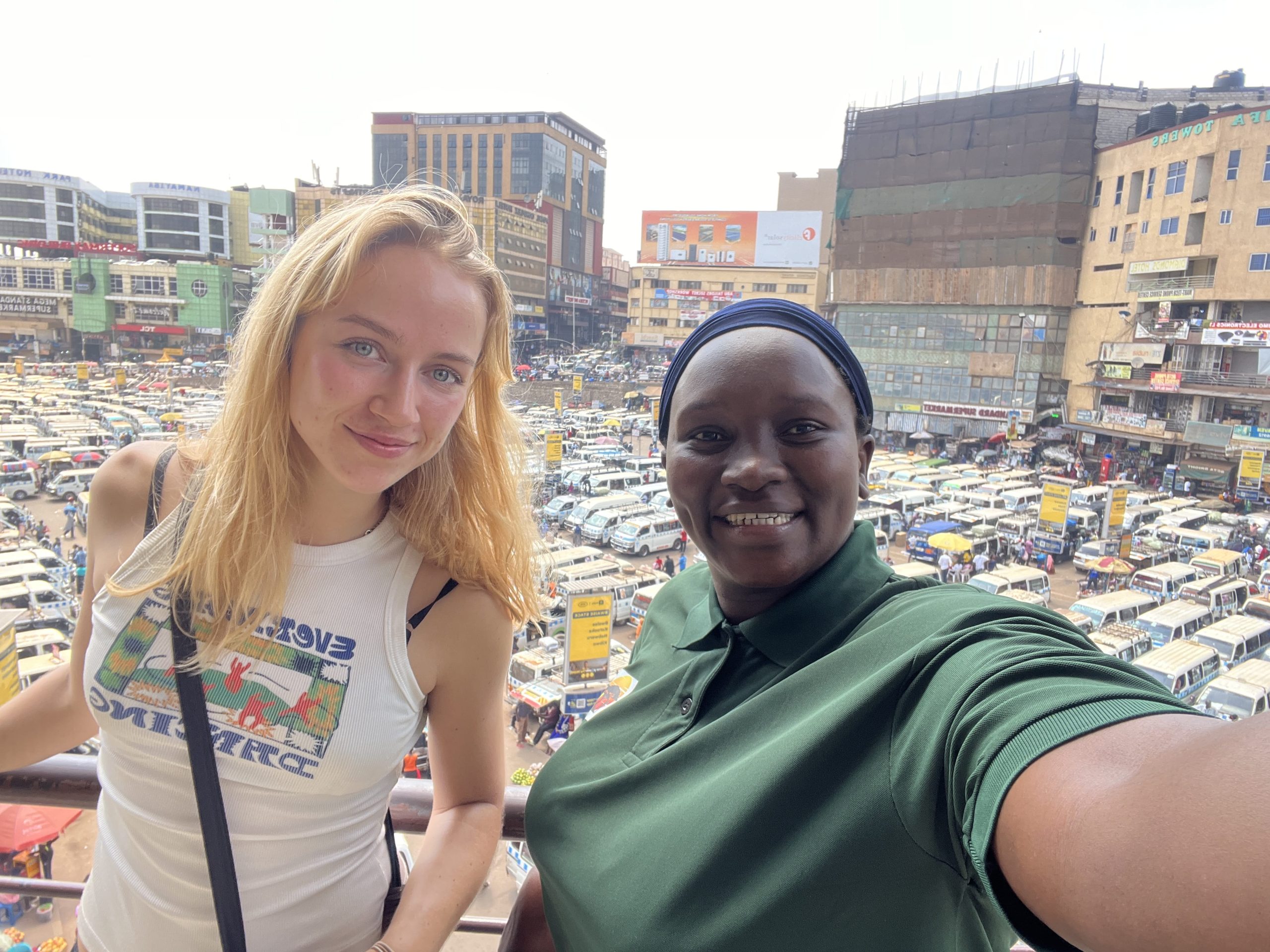
Kampala’s markets offer a vivid introduction to the city’s daily life and commercial energy.
Nakasero Market is known for fresh produce, including fruit, vegetables and other food products. Owino Market, also known as St. Balikuddembe Market, is one of the city’s major trading areas, with clothing, textiles, household goods and a wide range of merchandise.
Exploring the markets with a local guide helps visitors understand how people shop, trade and move through the city. It also provides opportunities to sample local produce and observe the rhythms of everyday Kampala.
Markets can be crowded, so visitors should keep personal belongings secure, ask before photographing people and agree on prices where bargaining is customary.
Craft Markets and Local Art
Kampala has a lively arts and crafts scene, with outlets selling handmade items and contemporary Ugandan artwork.
The Uganda Crafts 2000 area, craft stalls around the National Theatre and other artisan shops provide opportunities to browse baskets, jewellery, textiles, paintings, wood carvings and souvenirs.
Art galleries across the city showcase work by Ugandan artists, from contemporary painting and photography to sculpture and mixed-media pieces.
Purchasing directly from artists and craftspeople can support local creative businesses while giving visitors a meaningful reminder of their trip.
Uganda Parliament and Government District
The Parliament of Uganda is an important institution in the country’s political life. Its location within Kampala makes it a point of interest for visitors interested in governance, public institutions and modern Ugandan history.
The surrounding government district includes major offices and important roads connecting central Kampala with other parts of the city.
Visits inside Parliament are subject to official procedures and approval, so travellers should make arrangements in advance rather than assuming that walk-in access is available.
Namugongo Uganda Martyrs Shrine
The Uganda Martyrs Shrine at Namugongo is one of the most significant Christian pilgrimage sites in the country and an important excursion from Kampala.
The shrine commemorates Catholic martyrs who were executed in the late nineteenth century. The area also has an Anglican shrine associated with the martyrs, making Namugongo important to both Catholic and Anglican Christian traditions.
The annual Uganda Martyrs celebrations on 3 June attract pilgrims from Uganda and other countries. Outside the major pilgrimage period, visitors can learn about the history, faith and remembrance associated with the site.
Namugongo lies in the greater Kampala metropolitan area, outside Kampala’s central urban area, so it is best planned as a separate stop or combined with other nearby attractions.
Lake Victoria and Kampala’s Lakeside Experiences
Lake Victoria, Africa’s largest lake by surface area, forms part of the wider landscape around Kampala. The lakeshore provides a different atmosphere from the city’s crowded commercial streets, with opportunities for relaxation, boat trips, dining and scenic views.
Depending on the chosen location and operator, visitors can enjoy lakeside meals, organised boat excursions, fishing experiences and photography.
Lake Victoria excursions can also be incorporated into wider itineraries that include Entebbe and other lakeshore communities.
Travellers should choose reputable boat operators, follow safety instructions and use appropriate life jackets for water activities.
Kabaka’s Lake, Gardens and Green Spaces
Kampala’s green spaces and smaller natural areas provide welcome breaks from its busy roads and built-up neighbourhoods.
In addition to Kabaka’s Lake, visitors can explore selected gardens, hotel grounds and recreational spaces where access is permitted. These areas offer opportunities for relaxing, taking photographs and experiencing a quieter side of urban life.
Because Kampala is a growing city, the condition and accessibility of particular green spaces can change. Visitors should confirm current access arrangements when planning a specialised nature or walking tour.
Art Galleries and Contemporary Kampala
Kampala’s contemporary arts scene provides another perspective on the city’s identity.
Art galleries and creative spaces exhibit works by established and emerging Ugandan artists, with subjects ranging from urban life and cultural identity to politics, landscape and everyday experience.
Visitors interested in art can combine gallery visits with craft shopping, café stops and cultural performances. Some galleries host exhibitions and events, so checking their current programme can help make the visit more rewarding.
Food, Restaurants and Ugandan Cuisine
Food is an essential part of discovering Kampala.
The city offers traditional Ugandan dishes, regional East African cuisine and international dining options. Visitors can sample matoke, steamed or roasted plantain, groundnut sauce, cassava, sweet potatoes, beans, local greens, grilled meats and fresh fish.
Rolex, a popular Ugandan street food made with chapati and eggs, is a convenient option for travellers wanting to experience an everyday local favourite. Markets, restaurants and neighbourhood food stalls offer different ways to explore Kampala’s food culture.
A guided food tour can introduce visitors to local ingredients, preparation methods and eating traditions while helping them choose appropriate places to try regional dishes.
Kampala Nightlife and Entertainment
Kampala is known for its energetic nightlife, with live music, bars, restaurants, lounges, dance venues and cultural events across the city.
Visitors looking for an evening experience can choose from relaxed dining, live performances or more lively entertainment areas. The National Theatre and cultural venues provide alternatives for those who prefer organised performances rather than nightlife.
For a comfortable experience, visitors should plan transport in advance, use reputable taxis or ride services, keep valuables secure and follow local advice about neighbourhoods and late-night travel.
Activities to Enjoy in Kampala
Kampala offers a wide variety of experiences for different types of travellers.
History enthusiasts can explore the Kasubi Royal Tombs, the Royal Mile, the Uganda Museum and the Independence Monument. Visitors interested in religion can discover the city’s mosques, cathedrals and Bahá’í House of Worship. Cultural travellers can enjoy traditional performances, markets, craft shopping and local food.
A guided walking tour can reveal the stories behind Kampala’s neighbourhoods, while a full-day vehicle tour makes it easier to connect attractions spread across different hills and districts.
For travellers staying longer, the capital is also a convenient base for excursions to Namugongo, Lake Victoria and cultural destinations in the surrounding Buganda region.
Why Choose Kampala?
Kampala is one of the best places in Uganda to understand the country’s history, culture and contemporary life.
The city combines the royal heritage of Buganda, the spiritual significance of its religious landmarks, the collections of the Uganda Museum, the performances of Ndere Cultural Centre, the energy of local markets and the changing character of modern urban Uganda.
It is also an excellent destination for visitors who want a meaningful cultural experience before or after a wildlife safari. A day or two in Kampala can add context to a journey through Uganda, while longer stays allow time to explore the city’s art, food, neighbourhoods and nearby attractions.
Whether you are discovering the Kasubi Royal Tombs, walking through the Royal Mile, visiting the Uganda National Mosque, shopping for crafts, sampling local cuisine or enjoying a cultural performance, Kampala offers an engaging introduction to the Pearl of Africa.
Main Attractions
01
Kasubi Royal Tombs. A UNESCO World Heritage Site and sacred burial ground of former kings of Buganda, celebrated for its cultural importance and traditional Ganda architecture.
02
Lubiri Palace and the Royal Mile. Explore the historic palace of the Buganda king and the ceremonial route linking important institutions of the kingdom.
03
Bulange, Buganda Parliament. Learn about the kingdom's traditional institutions and continuing cultural role.
04
Kabaka's Lake. A historic man-made lake commissioned during the reign of Kabaka Mwanga II, offering a peaceful cultural stop in Mengo.
05
Uganda National Mosque. An impressive mosque on Old Kampala Hill known for its architecture, Islamic heritage and panoramic city views.
06
Bahá'í House of Worship. A distinctive spiritual landmark surrounded by gardens and recognised as the only Bahá'í House of Worship in Africa.
07
Rubaga Cathedral. A major Catholic landmark with important historical connections and views from Rubaga Hill.
08
Namirembe Cathedral. A historic Anglican cathedral associated with the development of Christianity in Uganda.
09
Uganda Museum. Explore collections relating to Uganda's history, archaeology, natural history, traditional life and cultural heritage.
10
Makerere University. Discover one of East Africa's best-known universities and an important part of Uganda's educational and intellectual history.
11
Independence Monument and Central Kampala. Visit a prominent national landmark and explore the commercial centre and its historical surroundings.
12
National Theatre and Craft Market. Experience performing arts and browse handmade crafts, textiles, jewellery, paintings and souvenirs.
13
Ndere Cultural Centre. Enjoy performances celebrating Uganda's traditional music, dance, drumming and cultural diversity.
14
Nakasero Market. Explore a busy market known for fresh produce, food products and everyday trading.
15
Owino Market. Experience one of Kampala's major markets, known for clothing, textiles, household goods and its energetic atmosphere.
16
Art Galleries and Craft Centres. Discover contemporary Ugandan artwork, handmade products and local creative talent.
17
Uganda Parliament. Learn about Uganda's political institutions and modern governance; official visits require prior arrangements.
18
Kibuli Mosque and Other Religious Sites. Discover additional landmarks reflecting Kampala's diverse religious communities.
19
Lake Victoria and Lakeside Excursions. Enjoy scenery, organised boat trips, lakeside dining and nature experiences around the wider Kampala area.
20
Namugongo Uganda Martyrs Shrine. Visit an important Christian pilgrimage site near Kampala, associated with the martyrs commemorated each year on 3 June.
Things To Do
01
Kampala City Sightseeing Tour. Visit major landmarks across the city and learn about Kampala's history, neighbourhoods and development.
02
Buganda Kingdom Heritage Tour. Explore Kasubi Royal Tombs, Lubiri Palace, Bulange and Kabaka's Lake with a knowledgeable cultural guide.
03
Religious Heritage Tour. Discover the Uganda National Mosque, Bahá'í House of Worship, Rubaga Cathedral, Namirembe Cathedral and other religious landmarks.
04
Uganda Museum Visit. Explore the country's cultural, historical, archaeological and natural-history collections.
05
Cultural Music and Dance Performances. Experience traditional music, drumming, dance and storytelling at venues such as Ndere Cultural Centre.
06
Historic Walking Tours. Explore selected hills, heritage streets, monuments and architectural landmarks on foot.
07
Market and Local Shopping Tours. Visit Nakasero Market, Owino Market, craft stalls and artisan shops to experience everyday commerce and local products.
08
Ugandan Food Experiences. Sample local dishes, street food, fresh produce and regional specialities with guidance on where to eat.
09
Art Gallery Visits. Discover contemporary Ugandan artists, exhibitions, paintings, sculpture and creative spaces.
10
Craft Shopping and Souvenir Hunting. Browse baskets, jewellery, textiles, woodcraft and other handmade products while supporting local makers.
11
Lake Victoria Excursions. Enjoy organised boat trips, lakeside relaxation, photography and other activities offered by reputable operators.
12
Namugongo Martyrs Shrine Excursion. Visit the nearby pilgrimage site and learn about its religious and historical significance.
13
Architecture and Photography Tours. Photograph historic buildings, hilltop landmarks, religious architecture and changing city streets while respecting local rules.
14
Local Neighbourhood Experiences. Discover Kampala's daily life, cafés, food stalls, residential areas and local businesses with a guide.
15
Evening Entertainment and Live Performances. Enjoy live music, cultural events, theatre, restaurants and Kampala's nightlife.
 white-water rafting & adventure safari