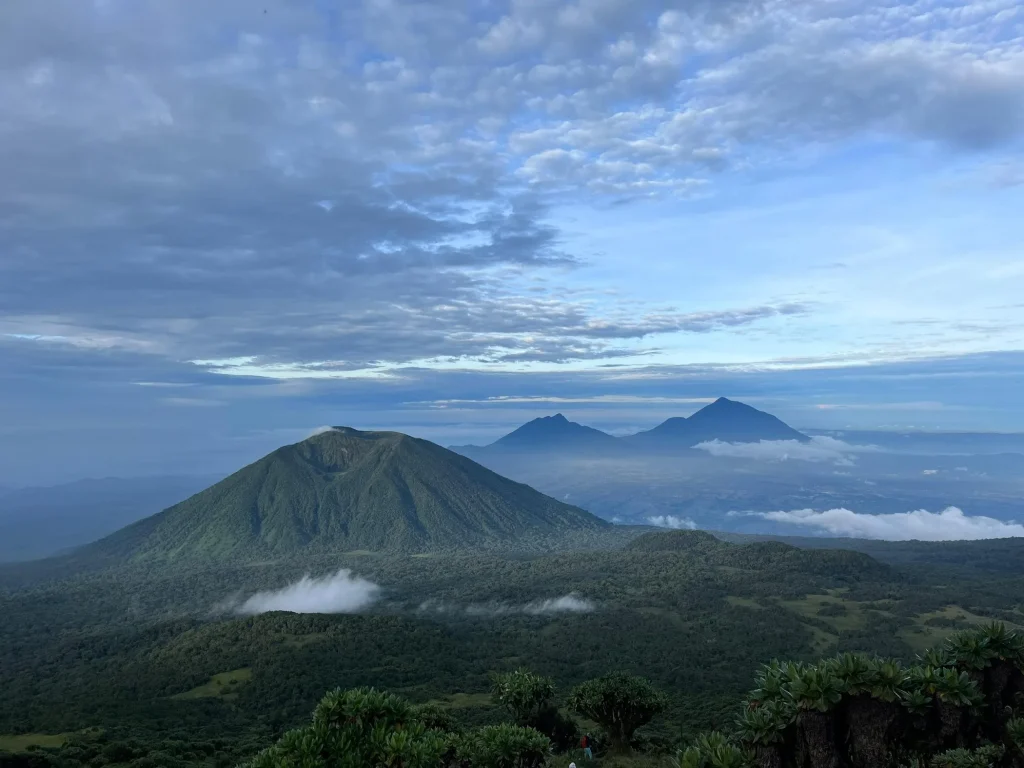
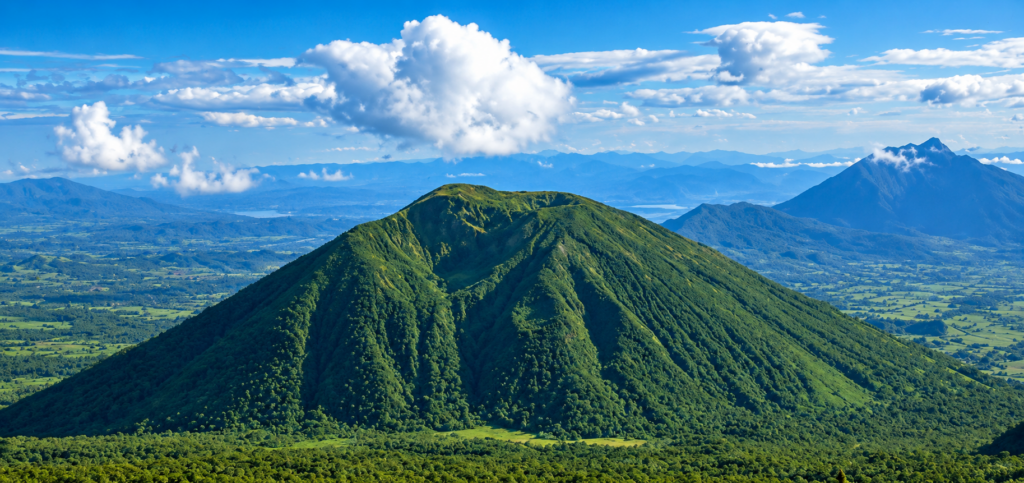
Buhanga Eco-Park is one of northern Rwanda’s most fascinating cultural and natural attractions, offering visitors an opportunity to explore an ancient forest associated with the coronation traditions of Rwanda’s former kings. Located in the wider Volcanoes National Park region, near Musanze, this peaceful woodland combines historical significance, traditional beliefs, forest scenery and gentle nature walks.
Unlike Rwanda’s famous wildlife destinations, where visitors come primarily to see mountain gorillas, chimpanzees or savannah animals, Buhanga offers a different kind of experience. Its appeal lies in the relationship between nature and Rwanda’s royal heritage. The forest is associated with ceremonies and rituals connected to the enthronement of kings, making it an important place for understanding the country’s cultural history.
The name Buhanga is associated with creation, and the forest is remembered in Rwandan traditions as a sacred place where royal rituals were performed. Today, visitors can explore its winding paths, towering trees, unusual vegetation and culturally significant sites with a guide who can explain the stories and traditions connected to the landscape.
For travellers interested in history, cultural tourism, forest walks, photography and lesser-known attractions, Buhanga Eco-Park is a rewarding addition to a Rwanda itinerary. It is also a useful stop for visitors exploring Musanze, Volcanoes National Park and the wider northern region.
Explore Rwanda’s Sacred Forest
Buhanga Eco-Park is a place where the natural landscape and cultural heritage are closely connected. The forest has long been associated with traditional royal ceremonies, particularly rituals surrounding the coronation of Rwanda’s kings.
Rather than functioning simply as a recreational woodland, Buhanga holds meaning within Rwanda’s historical traditions. Certain locations in the forest are connected with stories about the preparation and blessing of kings before they assumed royal responsibilities.
Walking through the forest gives visitors an opportunity to learn how particular landscapes became important to communities and how cultural traditions were connected to trees, caves, paths and other natural features.
A guided visit is recommended because the significance of the forest cannot be fully understood through scenery alone. Local interpretation helps explain the difference between the physical features of the site and the cultural stories associated with them.
Discover the History of Rwanda’s Kings
One of Buhanga Eco-Park’s principal attractions is its connection to Rwanda’s pre-colonial monarchy. The forest is traditionally associated with royal coronation ceremonies and the rituals through which a king was prepared to assume his position.
These traditions form part of Rwanda’s wider royal history, which included ceremonies, regalia, oral traditions and designated places of cultural importance. Buhanga provides an opportunity to explore this history in the landscape where some of its traditions are remembered.
Visitors can learn about the symbolic importance of royal rituals, the role of traditional advisers and the way sacred places were understood within the former kingdom.
The site is especially valuable for travellers who want to understand Rwanda beyond its wildlife and modern cities. It offers a cultural perspective that can complement visits to the King’s Palace Museum in Nyanza, the Ethnographic Museum in Huye and other heritage destinations.
Walk Along the Forest’s Stone Paths
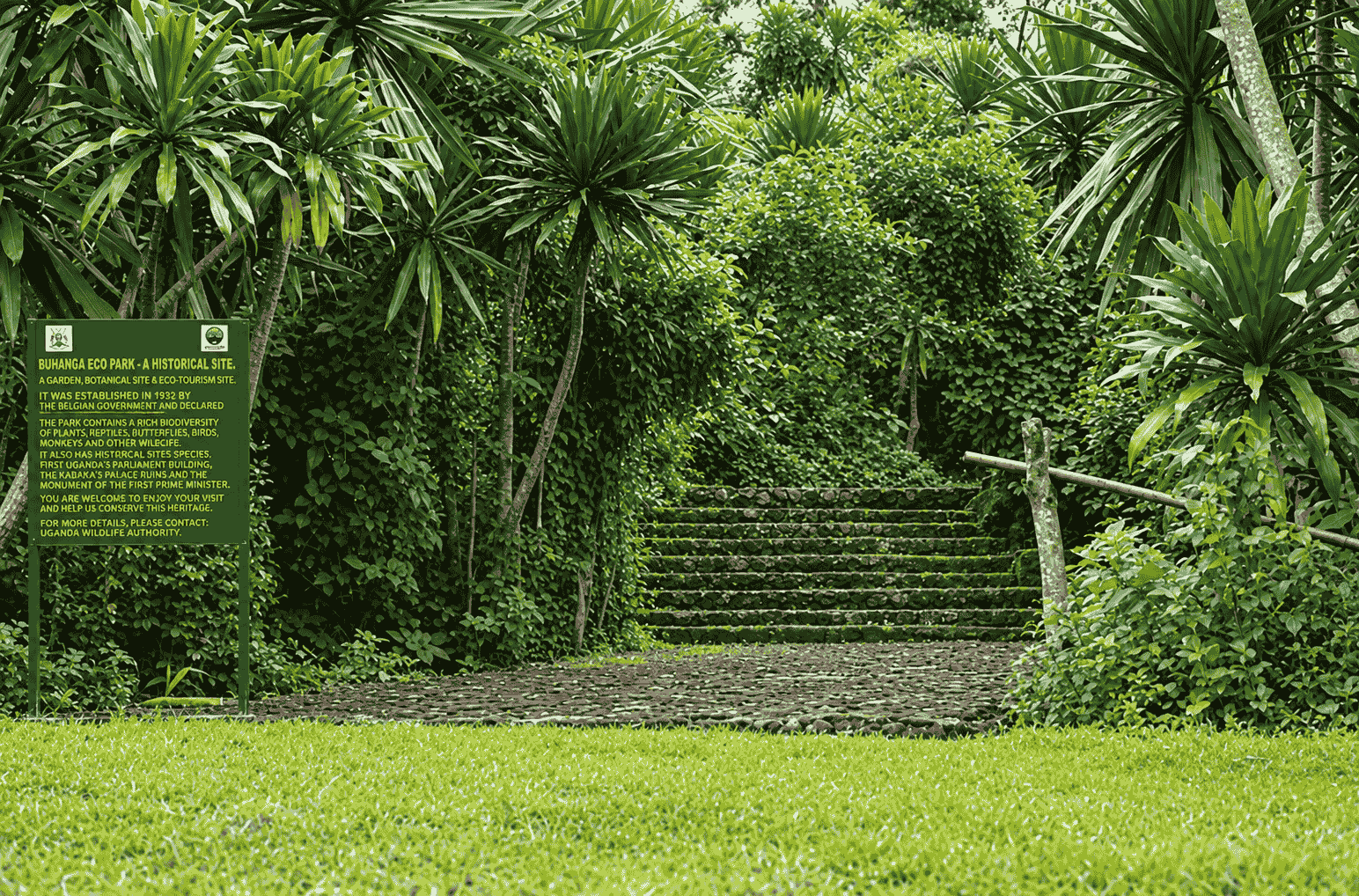
Buhanga’s walking paths are among its most distinctive physical features. Some sections are formed with lava stones and wind between trees, plants and forest vegetation, creating a quiet route through the woodland.
The paths lead visitors through different parts of the forest, offering opportunities to appreciate the landscape at a relaxed pace. Along the way, guides can explain the natural surroundings and point out places associated with local traditions.
The walk is generally more about exploration and interpretation than strenuous mountain hiking. It can appeal to travellers who want a nature experience without committing to a demanding trek.
Even though the route is relatively gentle compared with Rwanda’s major volcanic hikes, surfaces may be uneven or slippery in wet weather. Comfortable walking shoes and appropriate rain protection are advisable.
Admire Ancient Trees and Forest Vegetation
The forest features mature trees, dense vegetation, climbing plants and shaded sections that create a peaceful atmosphere. Some trees have broad trunks and spreading branches, while creepers and other plants add to the woodland’s layered appearance.
The forest environment provides a contrast to the cultivated hills and settled landscapes found around northern Rwanda. As visitors move along the paths, changes in light, vegetation and the shape of the trees create interesting opportunities for observation and photography.
Buhanga is also a reminder of the cultural importance of forests. Beyond providing habitat for wildlife, forests can preserve stories, traditions and places of collective memory.
Visitors should avoid damaging vegetation, removing plants or disturbing culturally important features.
Learn About the Forest’s Sacred Sites
Buhanga contains places associated with traditional royal rituals and the stories passed down about them. These include forest locations and natural features that have been connected with the preparation and ceremonial treatment of kings.
The significance of such places is best understood through the explanations provided by knowledgeable guides. Some details belong to oral tradition, so visitors should approach the stories with respect and understand that cultural accounts may vary.
The experience offers an opportunity to learn how natural features can become part of a community’s cultural identity. Trees, clearings, paths and caves can carry meanings that extend beyond their physical appearance.
Because the forest is culturally significant, visitors should follow instructions about where they may walk, what they may photograph and how to behave at sensitive locations.
Discover Birds, Butterflies and Small Wildlife
Buhanga’s trees and vegetation provide habitat for birds, butterflies and other small forest organisms. Visitors may hear birds calling from the canopy or notice butterflies moving through sunny clearings along the paths.
The experience is particularly suitable for travellers who enjoy observing nature at a slower pace. A guided walk can help visitors pay attention to details that might otherwise be missed, including bird calls, plant forms, insects and changes in the forest environment.
Wildlife sightings depend on the time of day, season and local conditions. Buhanga should be approached as a small forest nature destination rather than a major wildlife-viewing park, and sightings of particular species should not be guaranteed.
Visitors interested in birdwatching may wish to bring binoculars and allow time to move quietly along the trails.
Experience Nature Photography
The combination of mature trees, lava-stone paths, textured bark, forest vegetation and filtered light makes Buhanga an interesting destination for nature photography.
Photographers can focus on details such as tree roots, leaves, vines, butterflies and the patterns formed by sunlight through the canopy. The forest’s atmosphere also provides opportunities for more interpretive images that capture the connection between landscape and heritage.
Photography should be undertaken respectfully. Visitors should ask their guide before photographing culturally sensitive features and should not disturb plants, wildlife or other visitors to obtain an image.
During wet weather, the forest can appear especially lush, although cloud cover and low light may require patience.
Enjoy a Peaceful Nature Walk
Buhanga is well suited to visitors seeking a quiet outdoor experience. Its paths provide an opportunity to slow down, listen to the forest and appreciate the surroundings without the intensity of a long-distance hike.
A guided walk can be adapted to the interests of the visitor, with more time devoted to cultural interpretation, plants, birds or photography. The experience is suitable for travellers who want to add a short nature activity to a broader northern Rwanda itinerary.
Visitors should confirm the available route, walking duration and accessibility before booking, especially if travelling with young children, older visitors or anyone with limited mobility.
Understand Rwanda’s Traditional Beliefs and Oral History
The cultural significance of Buhanga is closely linked to traditional beliefs and oral history. Stories about the forest have helped preserve its identity as a place connected with Rwanda’s monarchy and ceremonial traditions.
A visit can introduce travellers to the ways oral accounts preserve knowledge about historical figures, royal practices and the meaning of particular places. It also provides a chance to appreciate the role of cultural interpretation in protecting heritage.
The forest should not be presented simply as a collection of mysterious legends. Its importance comes from the place it occupies in Rwanda’s historical memory and the continuing value of preserving cultural landscapes.
Visitors are encouraged to listen respectfully, ask thoughtful questions and avoid treating sacred traditions as entertainment.
Combine Buhanga with Volcanoes National Park
Buhanga Eco-Park is a natural addition to an itinerary focused on northern Rwanda. The wider region is internationally known for Volcanoes National Park, mountain gorilla trekking, golden monkey tracking and hikes on the Virunga volcanoes.
Travellers who are already visiting the region can consider adding Buhanga for a different perspective on the area’s heritage. A forest walk offers a contrast to the more physically demanding activities associated with gorilla trekking and volcanic hiking.
The best itinerary depends on the amount of time available. Visitors with only a short stay can combine a forest visit with other nearby attractions, while those spending several nights in Musanze can explore a broader selection of nature and cultural experiences.
Visit Musanze and Explore the Surrounding Region
Musanze is one of the main gateways to northern Rwanda’s tourism attractions. It provides accommodation, restaurants, transport services and access to activities in the surrounding countryside.
A visit to Buhanga can be combined with selected experiences around Musanze, including the Musanze Caves, local cultural activities and excursions to the Twin Lakes of Burera and Ruhondo. Each attraction offers a different perspective on the region, from volcanic geology and lake scenery to cultural history and forest ecology.
Visitors should allow sufficient time between activities and confirm transport arrangements in advance. The exact sequence depends on where they are staying and the operating schedules of individual attractions.
Enjoy a Picnic or Planned Outdoor Visit
The Rwanda Development Board’s tourism booking platform lists both a nature-walk experience and a separate picnic experience that includes camping for a day. This provides options for visitors who want either a guided forest visit or a longer outdoor outing.
A picnic can be a pleasant way to spend additional time in a natural setting, but visitors should confirm the facilities and permitted arrangements before travelling. Camping should not be assumed to mean an overnight stay unless the operator specifically confirms that option.
All visitors should follow park rules, dispose of waste responsibly and respect the forest’s cultural and environmental importance.
Responsible Tourism and Heritage Conservation
Buhanga Eco-Park combines natural habitat with cultural significance, making respectful visitor behaviour especially important.
Visitors should remain on permitted paths, follow their guide’s instructions, avoid removing plants or other natural materials, and refrain from leaving litter. Sacred or culturally significant locations should be treated with care, and visitors should ask before touching or photographing sensitive features.
Choosing authorised guides and official booking channels helps support the management of the destination and ensures that visitors receive appropriate interpretation of its history.
Buhanga’s value lies not only in its trees and walking trails, but also in the stories and traditions associated with the forest. Responsible tourism helps preserve both the natural environment and the cultural memory that makes this destination distinctive.
Why Visit Buhanga Eco-Park?
Buhanga Eco-Park offers an experience that differs from Rwanda’s better-known wildlife attractions. It brings together forest scenery, nature walks, traditional royal history and cultural interpretation in one relatively compact destination.
For visitors who want to understand more about Rwanda’s heritage, the forest offers a meaningful opportunity to explore stories associated with the former monarchy while enjoying a quiet natural environment. For travellers already visiting Musanze and Volcanoes National Park, it can provide a valuable cultural complement to gorilla trekking, hiking and other outdoor activities.
A guided visit to Buhanga is a chance to experience another dimension of Rwanda: a landscape where nature and history are inseparable, and where the forest remains an important part of the country’s cultural identity.
Main Attractions
01
Sacred Buhanga Forest: A culturally significant woodland associated with Rwanda’s royal history and traditional beliefs.
02
Royal Coronation Heritage: Traditions connecting the forest with the coronation ceremonies of Rwanda’s former kings.
03
Forest Walking Paths: Gentle trails winding through trees, vegetation and sections formed with lava stones.
04
Mature Forest Trees: Large trees, spreading branches, climbing plants and shaded woodland scenery.
05
Culturally Significant Sites: Locations in the forest associated with traditional royal rituals and oral history.
06
Traditional Stories and Folklore: Guided interpretation of the historical and cultural traditions connected to Buhanga.
07
Forest Biodiversity: Opportunities to observe birds, butterflies and other small forest organisms.
08
Nature Photography: Woodland textures, filtered light, tree roots, vegetation and quiet forest scenes.
09
Forest Observation Points: Selected places along the paths for pausing, viewing and learning about the surroundings.
10
Guided Heritage Walks: Interpretive visits that combine forest ecology with cultural history.
11
Picnic Experience: A separately listed outdoor picnic product, subject to current booking conditions.
12
Northern Rwanda Cultural Landscape: A setting that can be combined with other heritage and nature attractions around Musanze.
13
Volcanoes National Park Region: Nearby tourism experiences including gorilla trekking, golden monkey tracking and volcanic hiking.
14
Musanze Caves: A separate northern Rwanda attraction that can be combined with a Buhanga visit.
15
Twin Lakes of Burera and Ruhondo: Scenic lakes in the wider region that complement a northern Rwanda itinerary.
Things To Do
01
Take a guided nature walk through the forest.
02
Learn about Buhanga’s association with Rwanda’s former kings.
03
Discover the traditions surrounding royal coronation ceremonies.
04
Listen to local oral histories and cultural interpretations.
05
Explore the forest’s lava-stone walking paths.
06
Observe mature trees, climbing plants and forest vegetation.
07
Watch for birds and butterflies.
08
Enjoy nature and cultural photography.
09
Learn about the relationship between Rwanda’s natural landscapes and traditional beliefs.
10
Join an authorised forest and heritage interpretation tour.
11
Arrange a permitted picnic experience.
12
Explore the forest at a relaxed pace and enjoy the quiet surroundings.
13
Combine the visit with other Musanze-area attractions.
14
Include Buhanga in a wider northern Rwanda cultural itinerary.
15
Combine a forest visit with Volcanoes National Park experiences, subject to available time and booking requirements.
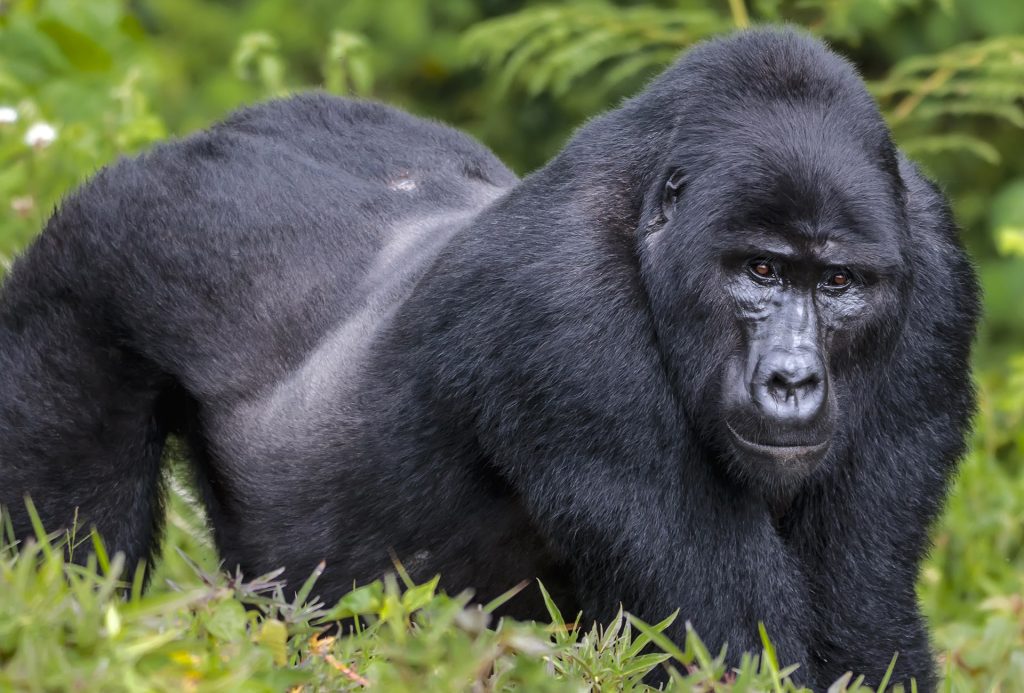 gorilla, golden monkey, chimpanzee trekking, cultural & wildlife safari