Musanze Caves are among Rwanda’s most intriguing natural attractions, offering visitors an opportunity to explore an extraordinary underground landscape shaped by ancient volcanic activity. Located near Musanze town in Rwanda’s Northern Province, these remarkable caves feature long passages, enormous chambers, natural openings and dramatic shafts of daylight that illuminate the darkness below the surface.
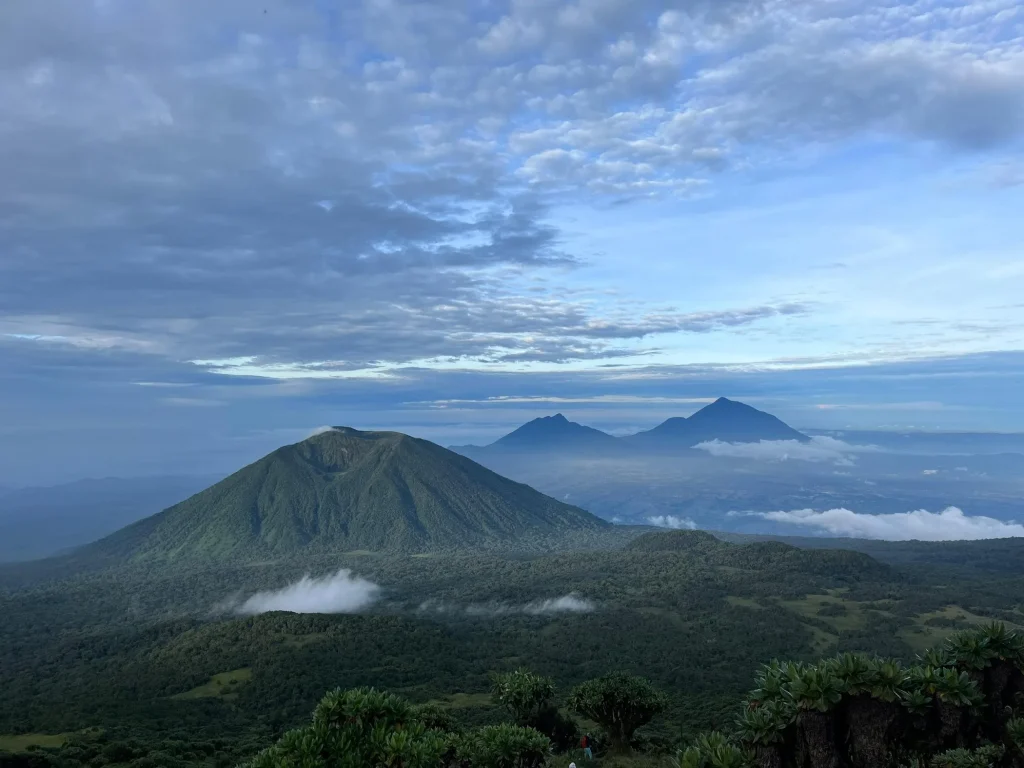
Situated within the volcanic landscape of the Virunga region, Musanze Caves provide a different perspective on Rwanda’s natural heritage. While many travellers visit northern Rwanda for mountain gorilla trekking, golden monkeys and spectacular volcanic mountains, a guided visit to the caves reveals another side of the region: its fascinating geology, underground ecosystems and rich historical significance.
The main cave extends for approximately two kilometres and is associated with ancient basaltic lava flows linked to the region’s volcanic history. Its multiple entrances, sections of collapsed roof and large underground spaces create a distinctive environment that differs considerably from limestone caves formed by the gradual dissolution of rock.
Musanze Caves are more than a geological attraction. They have historical and cultural importance for local communities, having served as shelters during difficult periods in Rwanda’s history. The site also carries painful memories associated with the 1994 Genocide against the Tutsi. Visitors are therefore encouraged to approach the caves with respect, sensitivity and an appreciation of their wider significance.
Access is organised through guided visits, allowing travellers to learn about the cave system, understand its geological formation and explore designated sections responsibly. A visit can be an excellent addition to a northern Rwanda itinerary, especially for travellers staying in Musanze or combining the area with Volcanoes National Park.
Discover the Volcanic Origins of Musanze Caves
Musanze Caves were formed through geological processes associated with volcanic activity in the Virunga region. Ancient lava flows cooled and solidified, leaving layers of volcanic rock and underground passages that contribute to the caves’ unusual structure.
Unlike many famous limestone caves, which develop through water dissolving soluble rock over long periods, Musanze Caves are principally associated with volcanic formations and lava-tube processes. Their geological features offer visitors a fascinating opportunity to understand how volcanic landscapes develop and change.
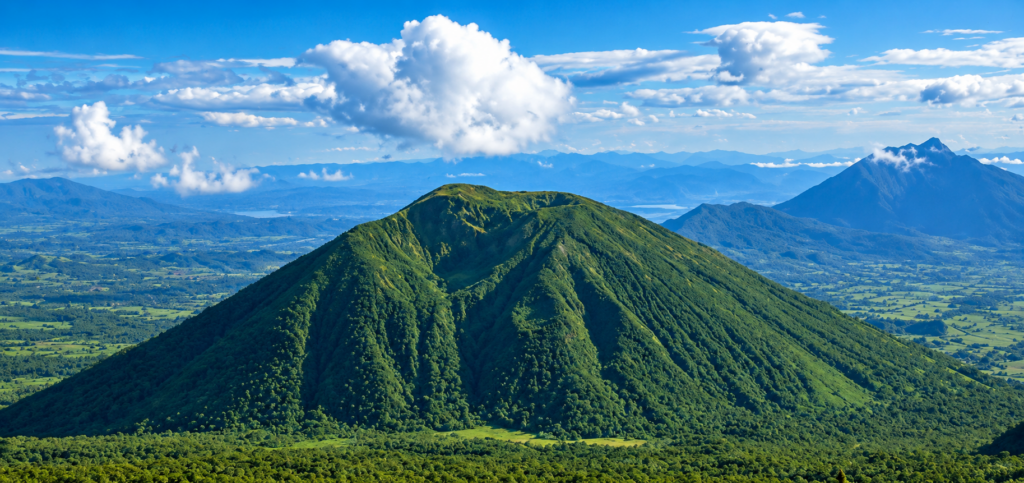
The surrounding region is shaped by the Virunga volcanic chain, which includes prominent mountains such as Mount Bisoke and Mount Sabyinyo. The caves provide an accessible way to explore the wider geological history of this mountainous part of Rwanda without undertaking a demanding summit hike.
Visitors interested in geology, natural history and earth science can gain a deeper appreciation of how volcanic activity has influenced the region’s terrain, vegetation and settlement patterns.
Explore the Underground Passages
The main Musanze Cave extends for approximately two kilometres and contains a network of passages, chambers and openings. Its layout creates an engaging underground environment in which the scale of the rock formations and the changing light can make the exploration particularly memorable.
During a guided visit, travellers can observe the cave’s internal structure, follow designated routes and learn how natural processes have shaped its passages. The experience is different from a conventional nature walk because much of the journey takes place beneath the surface.
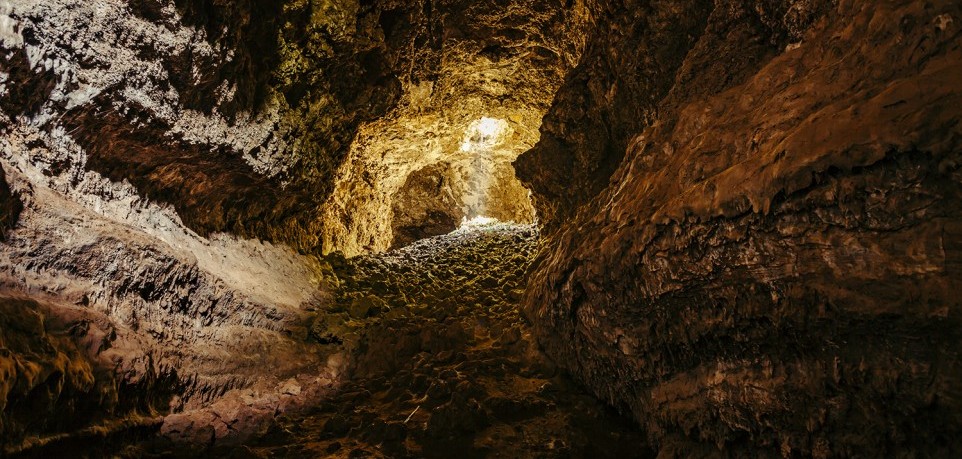
The cave’s entrances and sections of collapsed roof allow daylight to enter selected areas, producing striking contrasts between illuminated vegetation, exposed rock and darker underground spaces.
Visitors should follow their guide throughout the tour, remain on authorised routes and avoid entering restricted or unstable sections. The cave is a natural environment, and conditions underfoot can vary.
Admire the Dramatic Cave Entrances
One of the most impressive features of Musanze Caves is the scale of the main entrance, which has been described as cathedral-like because of its size and proportions.
The transition from the green landscape outside to the cool, shadowy interior creates a striking visual experience. From selected points, visitors can appreciate how the entrance opens into a much larger underground system.
The cave has numerous entrances, many associated with collapses in the roof of the original underground formations. These openings contribute to the distinctive appearance of the site and allow light and air to enter different parts of the cave.
For photographers, the entrances provide opportunities to capture contrasts between daylight, rock surfaces and the surrounding vegetation. Visitors should avoid stepping beyond designated viewpoints or moving into areas that guides identify as unsafe.
Witness the Shafts of Natural Light
Natural openings in the cave roof create some of Musanze Caves’ most memorable visual features. Where daylight reaches the interior, shafts of light can illuminate sections of rock and vegetation, creating a dramatic contrast with the darker passages.
The appearance of these light shafts depends on the time of day, weather conditions and the position of the sun. Some sections may be brighter than others, while deeper passages remain dim or dark.
These changing conditions make each visit slightly different and provide excellent opportunities for photography. A camera capable of handling low light can be useful, although visitors should prioritise safe movement over photography.
The natural lighting also helps illustrate the relationship between the cave’s underground passages and the landscape above.
Observe the Cave’s Bat Colony
Musanze Caves are known for supporting a sizeable bat colony. These mammals form an important part of the cave’s natural environment and add an ecological dimension to the geological experience.
Bats contribute to wider ecosystems through their varied feeding habits and ecological roles. Depending on the species present, they may help control insect populations or contribute to other natural processes.
Visitors may observe bats resting in suitable sections of the cave, although sightings and their visibility vary. Guides can explain the importance of leaving the animals undisturbed and maintaining an appropriate distance.
Visitors should not touch bats, attempt to handle wildlife or use flash photography where it could disturb animals. Quiet, responsible observation helps protect the colony and supports the long-term conservation of the site.
Understand the Historical Importance of the Caves
Musanze Caves have a history that extends beyond their geological formation. They have been used as places of shelter during periods of conflict and uncertainty, and they remain meaningful to people in the surrounding area.
Their historical role gives the caves an additional dimension for visitors interested in Rwanda’s past. The site illustrates how natural spaces can become intertwined with human experiences, including survival, displacement and community memory.
The caves are also associated with the history of the 1994 Genocide against the Tutsi, including a massacre. This history should be approached with care and respect rather than treated simply as a tourist curiosity.
Visitors should listen carefully to their guide’s interpretation, follow local guidance and behave respectfully throughout the visit. The historical significance of the caves is an important part of understanding the site and its place in the lives of local communities.
Join a Guided Cave Exploration
Musanze Caves are explored through organised guided visits rather than unrestricted independent entry. A guide helps visitors understand the cave’s formation, navigate designated passages and learn about its ecological and historical features.
The guided experience generally takes around two and a half hours, although the actual schedule and route should be confirmed when booking.
During the visit, travellers can learn about volcanic rock, cave openings, underground passages, bat habitats and the significance of the site to local people. Guides also provide instructions about movement, safety and respectful behaviour.
A guided visit is suitable for travellers who enjoy natural history and adventure but do not necessarily want a highly technical caving expedition. Visitors should confirm current access arrangements, the permitted route and any physical requirements before travelling.
Experience the Cool Underground Environment
The conditions inside Musanze Caves differ from those outside. Temperatures, light levels, humidity and underfoot conditions can vary between sections, making the underground environment feel distinct from the surrounding highland landscape.
Some passages may be uneven or damp, and lighting is limited in darker areas. Appropriate footwear and careful movement are important throughout the experience.
Visitors should wear comfortable clothing suitable for walking and follow the guide’s recommendations about helmets, torches or other safety equipment. Do not assume every section of the cave is equally accessible.
The experience is best approached as a guided natural attraction rather than an extreme adventure activity. Travellers should inform their tour operator of any mobility concerns or other requirements before booking so that suitability can be discussed in advance.
Discover the Landscape Around Musanze
The caves are located in a region characterised by fertile volcanic soils, green hills, cultivated land and views towards the Virunga Mountains. The surrounding landscape offers a pleasant contrast to the dark underground passages.
Musanze town serves as a practical base for visitors, with accommodation, restaurants, shops and services for travellers exploring northern Rwanda.
A visit to the caves can be combined with scenic drives through the countryside, local markets, community experiences and views of the volcanic mountains. The area is particularly appealing to visitors who want to explore more than one attraction during their stay.
Travellers should allow enough time between activities and consider local road conditions when planning a day that includes several stops.
Combine Musanze Caves with Volcanoes National Park
One of the best ways to include Musanze Caves in a Rwanda itinerary is to combine the visit with Volcanoes National Park.
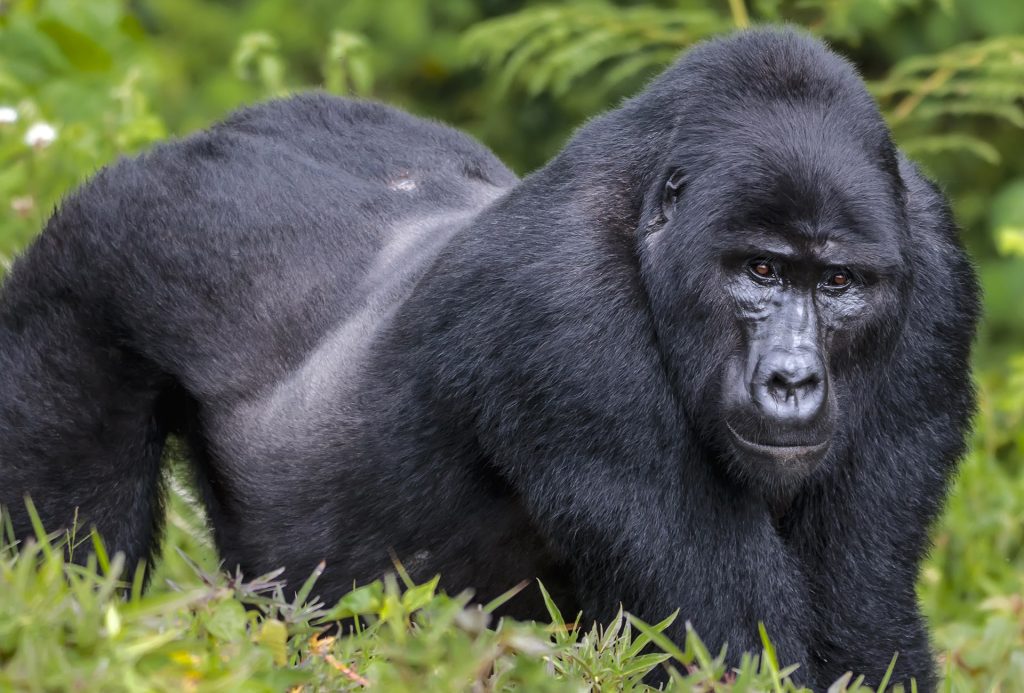
The park is internationally known for mountain gorilla trekking, golden monkey tracking and its spectacular volcanic landscapes. Musanze Caves provide a contrasting experience, taking visitors from forested mountain habitats into a geological environment beneath the surface.
Depending on permit times and the overall itinerary, travellers may arrange a cave visit on a separate day or include it as an additional activity around their national park experience. Gorilla trekking schedules and cave tour availability should be coordinated carefully rather than assuming both activities can always be completed on the same day.
For visitors spending several nights in northern Rwanda, the caves can add variety to an itinerary focused on wildlife, hiking and conservation.
Explore Other Attractions Near Musanze
Musanze Caves are well positioned for exploring several other attractions in northern Rwanda.
The Twin Lakes of Burera and Ruhondo offer scenic water views surrounded by green hills and volcanic landscapes. Visitors can enjoy photography, selected boat or canoe experiences where available, and community-based activities.
Buhanga Eco-Park offers a different type of experience, combining forest walks with cultural and historical associations. Musanze town itself provides access to local restaurants, markets and visitor services.
Travellers can also arrange visits to selected villages, coffee experiences and guided walks in the surrounding countryside. Activities and access arrangements vary, so it is best to confirm details with local guides or tour operators before departure.
Photography at Musanze Caves
Musanze Caves offer distinctive photography opportunities because of the contrast between their dark passages, rugged rock surfaces, natural entrances and shafts of daylight.
Wide-angle photography can help capture the scale of the entrance and selected chambers, while careful exposure can reveal details in the illuminated sections. Visitors may also photograph the transition between the green landscape outside and the cave interior from authorised viewpoints.
Photography conditions are challenging in darker areas, and handheld images may be affected by low light. A small camera or phone can still capture memorable images, but visitors should avoid walking while concentrating on their screens.
Always follow the guide’s instructions about flash use, restricted areas and photography around wildlife. The safety and conservation of the site should take priority over obtaining a particular image.
Accommodation Near Musanze Caves
Musanze town and the surrounding northern Rwanda region offer a range of accommodation, from budget guesthouses and comfortable hotels to boutique lodges and higher-end properties.
Staying in Musanze is convenient for visiting the caves, exploring the town and arranging transport to nearby attractions. Travellers planning mountain gorilla trekking may also choose accommodation closer to the Volcanoes National Park visitor area in Kinigi.
When selecting accommodation, consider distance from the cave meeting point, transport arrangements, dining options and whether the property can assist with tour reservations.
For itineraries combining the caves with gorilla trekking or golden monkey tracking, confirm the timing of all activities and choose accommodation that makes early departures practical.
Responsible Tourism and Cave Conservation
Musanze Caves are both a natural environment and a site of historical importance. Responsible tourism is essential to protect their geological features, wildlife and cultural significance.
Visitors should remain with their guides, follow designated routes, avoid touching or damaging rock formations, and never leave rubbish underground. Bats and other wildlife should be observed quietly without handling or unnecessary disturbance.
Because of the caves’ historical associations, visitors should also show sensitivity when listening to local accounts and interpreting the site’s past. Photography and behaviour should remain respectful, particularly when historical events or memorial-related areas are discussed.
Booking through recognised tourism channels and following official visitor instructions helps support organised tourism and responsible management.
Why Visit Musanze Caves?
Musanze Caves provide a distinctive experience for travellers interested in geology, adventure, history and the natural heritage of Rwanda. Their volcanic origins, extensive underground passages, natural openings and bat colony make them a fascinating alternative to the country’s better-known wildlife attractions.
Their location near Musanze town also makes them relatively easy to incorporate into a northern Rwanda itinerary. Visitors can combine the caves with Volcanoes National Park, the Twin Lakes, local cultural experiences and scenic drives through the Virunga region.
For travellers seeking to understand Rwanda beyond its mountain gorillas, Musanze Caves offer an opportunity to explore the country’s underground landscapes while learning about the connections between geology, wildlife, history and local communities.
Main Attractions
01
Main Musanze Cave: An approximately two-kilometre cave system shaped by volcanic geological processes.
02
Cathedral-like Entrance: A large natural opening that creates an impressive transition into the underground environment.
03
Underground Passages: A network of tunnels and chambers that reveal the cave’s distinctive volcanic structure.
04
Natural Roof Openings: Collapsed sections of the cave roof that allow daylight to enter selected areas.
05
Shafts of Daylight: Striking light effects created where sunlight enters the cave through natural openings.
06
Basaltic Volcanic Formations: Geological features associated with ancient lava flows in the Virunga region.
07
Bat Colony: A natural feature of the cave, offering opportunities to learn about cave wildlife and conservation.
08
Historical Cave Sites: Areas associated with the caves’ past use as shelters during periods of conflict.
09
Cultural Heritage: The caves’ continuing significance to local communities and their connection to Rwanda’s history.
10
Virunga Volcanic Landscape: The wider mountain region associated with the geological formation of the caves.
11
Musanze Countryside: Green hills, cultivated land and rural scenery around the cave area.
12
Musanze Town: A convenient base for accommodation, restaurants, transport and other visitor services.
13
Nearby Twin Lakes: Lake Burera and Lake Ruhondo, known for their scenic landscapes and volcanic mountain views.
14
Buhanga Eco-Park: A nearby regional attraction combining forest scenery and cultural associations.
15
Volcanoes National Park: A major northern Rwanda destination that can be combined with a cave visit.
Things To Do
01
Join a guided exploration of Musanze Caves.
02
Learn about the volcanic origins of the cave system.
03
Explore authorised underground passages and chambers.
04
Observe the cave’s natural openings and geological features.
05
Photograph the cave entrance and daylight effects from permitted locations.
06
Learn about the ecology and conservation of cave-dwelling bats.
07
Discover the historical significance of the caves through guided interpretation.
08
Take part in responsible nature and geology learning.
09
Enjoy a guided visit to the surrounding Musanze area.
10
Combine cave exploration with a scenic drive through northern Rwanda.
11
Visit local markets and restaurants in Musanze town.
12
Arrange a trip to Lake Burera and Lake Ruhondo.
13
Visit Buhanga Eco-Park where access and tour arrangements permit.
14
Combine a cave excursion with mountain gorilla trekking in Volcanoes National Park, allowing sufficient time for each activity.
15
Combine the caves with golden monkey tracking or other suitable northern Rwanda experiences.
 gorilla, golden monkey, chimpanzee trekking, cultural & wildlife safari