Kigezi Wildlife Reserve is a remarkable protected landscape in southwestern Uganda, forming a southern extension of the Queen Elizabeth conservation landscape. Established in 1952, the reserve covers approximately 265 square kilometres and occupies part of the western arm of the Central African Rift Valley.
Unlike Uganda’s better-known national parks, Kigezi offers a quieter and less frequently visited wilderness experience. Its landscape combines grass savannah, moist deciduous woodland and wildlife-rich habitats that connect naturally with the wider Queen Elizabeth ecosystem.
For travellers exploring southwestern Uganda, Kigezi provides an opportunity to discover a less-travelled side of the region while experiencing landscapes and wildlife beyond the main tourist circuits.
A Reserve Within the Greater Queen Elizabeth Ecosystem
Kigezi Wildlife Reserve is closely associated with Queen Elizabeth National Park. It forms a southern annex to the park and is separated from Lake Edward by a section of Queen Elizabeth National Park.
This position gives the reserve important conservation value. Rather than functioning as an isolated protected area, Kigezi forms part of a larger landscape in which wildlife habitats extend across several connected protected areas.
The reserve also acts as an important buffer between Queen Elizabeth National Park and densely settled areas farther south and east.
The Landscape of Kigezi
Kigezi lies within the dramatic landscape of the Albertine Rift region, where broad valleys, wooded habitats and open grasslands create a varied natural environment.
The reserve’s vegetation includes moist deciduous woodland and grass savannah. Trees such as acacia and Albizia occur alongside grasses characteristic of the wider Queen Elizabeth ecosystem.
The changing combination of woodland and open country creates an attractive setting for wildlife viewing, nature observation and photography.
Wildlife of Kigezi Wildlife Reserve
Kigezi supports a diverse selection of mammals, although wildlife generally occurs in smaller numbers than in some of Uganda’s more heavily visited protected areas.
The reserve is associated with several species of conservation and safari interest, including elephants, buffaloes, hippos, lions and leopards.
Visitors may also encounter Uganda kob, waterbuck, bushbuck, topi and oribi across suitable grassland habitats.
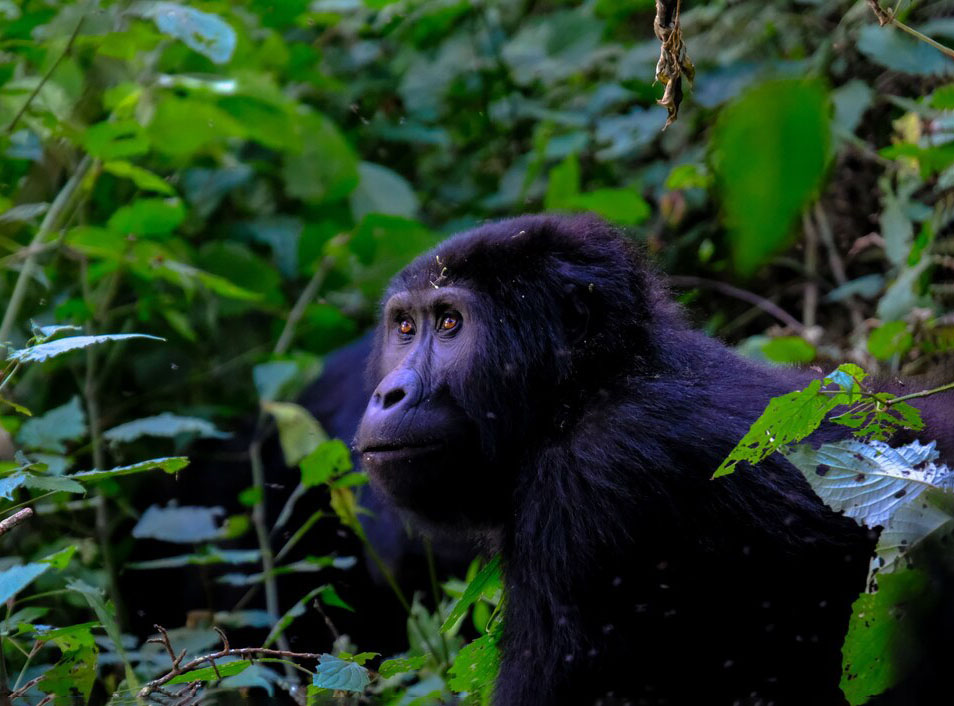
The wooded areas provide habitat for primates including eastern black-and-white colobus monkeys, red colobus monkeys and chimpanzees.
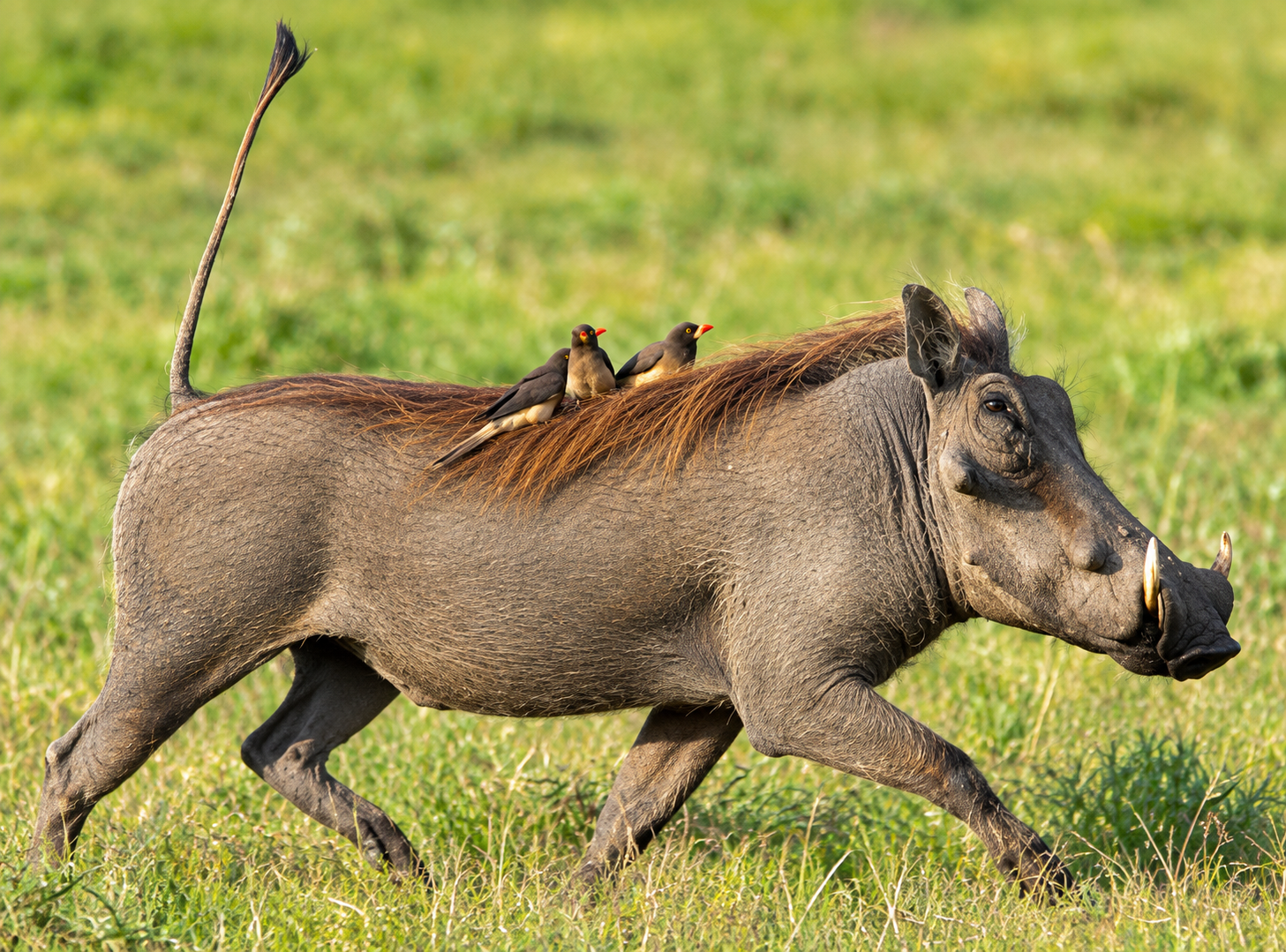
Other wildlife includes warthogs and giant forest hogs, together with smaller mammals that contribute to the ecological diversity of the reserve.
Because animal numbers and sightings can vary considerably, Kigezi is best approached as a destination for patient, immersive wildlife exploration rather than guaranteed big-game viewing.
Birdlife
Kigezi forms part of a broader bird-rich landscape associated with Queen Elizabeth National Park and the Albertine Rift.
Woodland, grassland and wetland-associated habitats provide opportunities for observing a range of bird species.
Birdwatching is particularly rewarding for visitors who enjoy combining wildlife observation with quieter exploration away from the busier safari routes.
A Landscape of Conservation Importance
One of Kigezi’s most important roles is its position within the wider Queen Elizabeth conservation landscape.
The reserve provides additional habitat south of Queen Elizabeth National Park and helps create a transition between protected wildlife areas and surrounding communities.
Like many protected areas in Uganda, Kigezi faces conservation pressures associated with human settlement, agricultural expansion and illegal wildlife use. Maintaining effective protection and strengthening relationships between conservation authorities and neighbouring communities remain important for the long-term future of the reserve.
The Future of Kigezi
Kigezi is entering an important stage in its conservation history.
Uganda Wildlife Authority’s 2026 State of Wildlife Resources report identifies Kigezi Wildlife Reserve among the reserves proposed for elevation to National Park status and integration into Queen Elizabeth National Park.
If the proposed change receives the required parliamentary approval, Kigezi could become part of an expanded national-park landscape, strengthening the protection and management of the wider ecosystem.
Until that process is completed, however, the official designation remains Kigezi Wildlife Reserve.
Wildlife and Nature Experiences
Kigezi is best suited to travellers who appreciate quieter protected areas and the opportunity to experience wildlife landscapes away from the busiest safari destinations.
Depending on current UWA arrangements and local guiding availability, experiences may include wildlife viewing, birdwatching, nature observation and photography.
The reserve can also be incorporated into a wider southwestern Uganda itinerary that includes Queen Elizabeth National Park, Bwindi Impenetrable National Park, Mgahinga Gorilla National Park, Lake Bunyonyi and other attractions in the Kigezi region.
Cultural Landscape Around Kigezi
The wider Kigezi region is one of southwestern Uganda’s most distinctive cultural and agricultural landscapes.
Travelling through the surrounding countryside reveals densely settled hills, cultivated slopes and communities whose livelihoods are closely connected to the land.
Responsible community experiences around the wider Kigezi region can complement a visit to the reserve by introducing travellers to local food, crafts, farming traditions and everyday life.
These experiences are best arranged through established local community tourism initiatives and guides.
Scenic Southwestern Uganda
Kigezi’s location makes it particularly valuable as part of a larger western Uganda journey.
The surrounding region contains some of Uganda’s most recognisable highland scenery, while nearby protected areas provide opportunities for gorilla trekking, golden monkey tracking, forest walks, boat safaris and traditional game drives.
A journey through Kigezi therefore does not need to stand alone. Instead, it works particularly well as part of a carefully planned southwestern Uganda circuit.
Main Attractions
01
Kigezi Wildlife Reserve Landscape – A peaceful combination of forest, savannah and woodland habitats.
02
Moist Deciduous Forests – Important habitat for primates and other forest wildlife.
03
Grass Savannah – Open habitats supporting antelope and other savannah species.
04
Black-and-White Colobus Monkeys – Forest primates recorded within the reserve.
05
Red Colobus – A specialised forest primate found in the reserve.
06
Chimpanzees – Forest-dwelling great apes recorded within the wider reserve ecosystem.
07
Elephants – Large mammals moving through suitable habitats within the reserve.
08
Buffaloes – Important large herbivores associated with the savannah and woodland.
09
Uganda Kob – One of the antelope species occurring within the reserve.
10
Waterbuck, Bushbuck and Topi – Diverse antelope species found across suitable habitats.
11
Oribi – A smaller antelope associated with open grassland habitats.
12
Queen Elizabeth Conservation Landscape – The reserve forms an important southern extension and buffer to the wider protected-area system.
Things To Do
01
Wildlife Viewing – Search for elephants, buffaloes, antelope and other wildlife.
02
Primate Watching – Look for colobus monkeys, red colobus and chimpanzees.
03
Birdwatching – Explore forest, woodland and savannah habitats for diverse birdlife.
04
Nature Exploration – Discover the reserve's different ecological habitats.
05
Guided Nature Walks – Explore suitable areas on foot where guided walking is available.
06
Wildlife Photography – Photograph wildlife, vegetation and the peaceful reserve landscape.
07
Landscape Photography – Capture forest, woodland and open savannah scenery.
08
Forest Exploration – Discover the reserve's moist deciduous woodland habitats.
09
Savannah Wildlife Observation – Search grassland areas for antelope and other species.
10
Bird Photography – Combine birdwatching with photography in quieter forest and woodland areas.
11
Community and Cultural Experiences – Explore local life and traditions in communities surrounding the reserve.
12
Combined Southwestern Uganda Safaris – Include Kigezi within a wider itinerary featuring Queen Elizabeth and other nearby destinations.
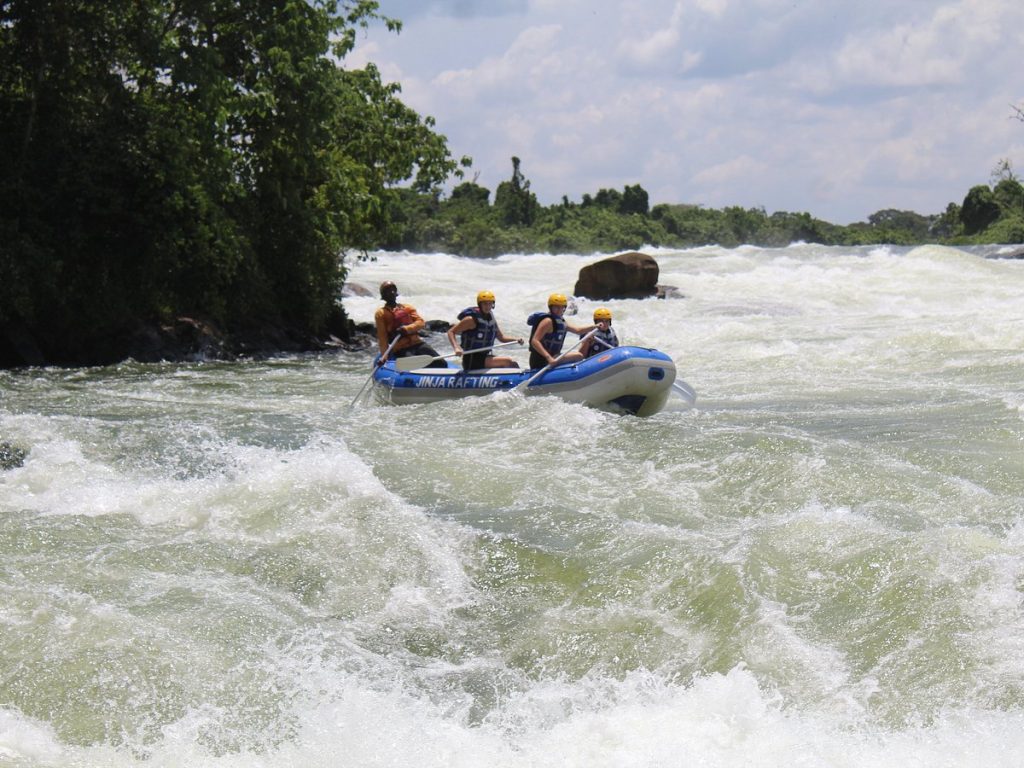 white-water rafting & adventure safari