Bukaleba is an emerging lakeside wilderness destination in Mayuge District, Eastern Uganda, where forest, wetlands and the expansive waters of Lake Victoria come together in a peaceful and largely unexplored landscape. The area represents an important new chapter in Uganda’s conservation story, with efforts focused on protecting its natural habitats while creating opportunities for ecotourism, community participation and sustainable livelihoods.
Unlike Uganda’s established safari destinations, Bukaleba offers a quieter experience centred on nature, birdlife, lakeside scenery, cultural heritage and exploration. Its combination of forested hills, papyrus wetlands, riparian vegetation and Lake Victoria shoreline creates a diverse landscape for travellers interested in discovering lesser-known parts of Uganda.
A Lakeside Landscape
Bukaleba lies approximately 120 kilometres east of Kampala in Mayuge District. The landscape covers an estimated 97 square kilometres and rises gently from around 1,150 to 1,330 metres above sea level.
Its habitats include forested hills, wetlands, papyrus swamps, riparian vegetation and open stretches of lakeshore. The proximity of Lake Victoria gives the destination a distinctive character, with woodland and water creating a peaceful setting that feels very different from Uganda’s traditional savannah safari parks.
The interaction between terrestrial and aquatic habitats also makes the area ecologically important. Forests provide shelter for birds, primates and smaller mammals, while wetlands and the lakeshore support aquatic species, amphibians and a rich variety of birdlife.
Birdlife and Wetlands
Birdwatching is one of the most promising experiences at Bukaleba. The combination of forest, papyrus wetlands and lakeshore habitats provides opportunities to encounter a variety of bird species in different environments.
Papyrus and wetland areas provide suitable habitat for species such as the papyrus gonolek, while forested sections can support sunbirds, greenbuls, turacos and hornbills. The mixture of habitats makes Bukaleba particularly appealing to travellers who enjoy exploring quieter birding locations away from Uganda’s better-known wildlife destinations.
The wetlands also form part of the wider ecological relationship between Lake Victoria and the surrounding landscape, providing feeding and breeding areas for aquatic and wetland species.
Primates and Smaller Wildlife
Bukaleba is still developing as a wildlife destination, and its wildlife experience is more understated than that of Uganda’s major savannah parks.
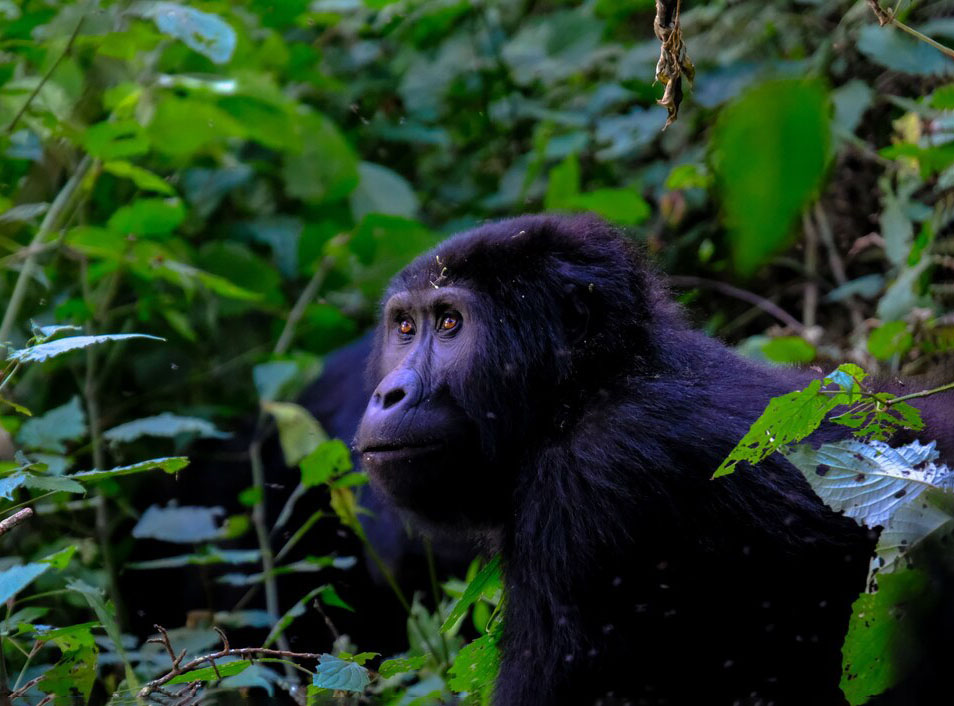
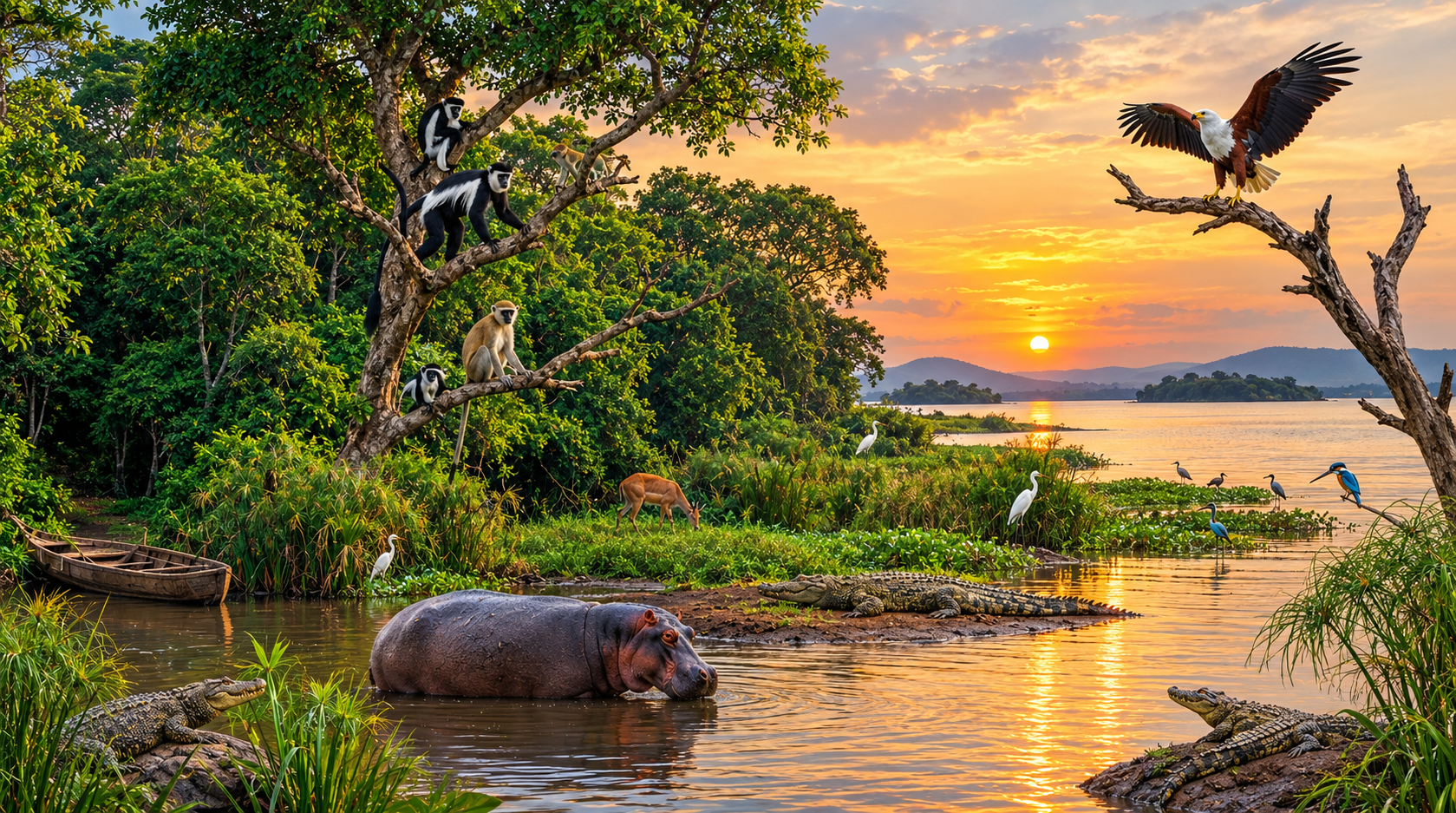
Visitors may encounter vervet monkeys and black-and-white colobus monkeys within the forested areas, together with smaller mammals and occasional antelope sightings. As habitat restoration and conservation measures continue, the area has potential to become increasingly important for wildlife.
The forest and wetland habitats also support butterflies, reptiles, amphibians and other smaller forms of wildlife that contribute to the ecological richness of the destination.
Lake Victoria and Aquatic Life
Lake Victoria is one of Bukaleba’s defining features. The lakeshore provides a natural setting for exploring the relationship between forest, wetland and open water.
The surrounding aquatic environment supports fish, amphibians and water-associated wildlife, while the source material identifies opportunities to encounter species such as Nile crocodiles, hippos and water monitors around suitable wetland and lakeside areas.
The lake also remains closely connected to the livelihoods and traditions of surrounding communities, particularly fishing communities whose relationship with the water forms an important part of the area’s cultural identity.
Forests and Native Vegetation
Bukaleba’s forests and reforested areas contribute significantly to the character and ecological value of the destination. Indigenous vegetation provides habitat for birds, primates and smaller wildlife while helping protect soils, store carbon and maintain the wider forest ecosystem.
The source material highlights Prunus africana, a tree species with important medicinal value, among the notable vegetation found in the landscape.
Conservation and restoration efforts are particularly important in an emerging protected landscape such as Bukaleba, where forest restoration can help strengthen wildlife habitat while reducing pressure from activities such as illegal logging and charcoal burning.
Cultural and Historical Heritage
Bukaleba is not only a natural destination. Its surrounding communities and historical sites add another layer to the experience.
The area has long been associated with fishing communities and traditional cultural practices connected to Lake Victoria. Visitors can gain insight into local livelihoods, fishing traditions, folklore and community life while exploring the lakeside environment.
Bukaleba Caves
The Bukaleba Caves are among the area’s notable cultural and historical sites. Local history associates the caves with the era of the slave trade, giving them significance within the wider historical story of the region.
A visit to the caves can provide an opportunity to understand the area’s past while appreciating the connection between its natural landscape and human history.
Luuba Thurston Tower
Luuba Thurston Tower is another historical landmark associated with the area’s early missionary and anti-slavery history.
Together with the caves and surrounding communities, the site helps broaden a visit to Bukaleba beyond wildlife and nature, allowing travellers to explore the cultural history of Eastern Uganda.
Fishing Communities
The fishing villages along the lakeshore offer opportunities for respectful cultural encounters with communities whose livelihoods are closely connected to Lake Victoria.
Visitors can learn about traditional fishing practices, local knowledge of the lake, community traditions and the everyday relationship between people and the surrounding environment.
Conservation and Community Participation
Bukaleba’s development as a protected destination is closely linked to conservation and community involvement.
The area has faced challenges including illegal logging, charcoal burning and encroachment. Conservation efforts have therefore focused on restoring degraded habitats, replanting trees and encouraging more sustainable use of natural resources.
The Bukaleba Forest Project, which has been active since 2012 according to the supplied source, has contributed to tree planting and land restoration while combining environmental objectives with social development.
For Bukaleba to develop successfully as an ecotourism destination, community participation will remain essential. Tourism can provide opportunities for employment, guiding, conservation education and local enterprise while creating stronger incentives to protect the surrounding landscape.
Exploring Bukaleba
Bukaleba is best suited to travellers who enjoy discovering destinations before they become heavily developed. Experiences are centred around nature rather than large-scale safari infrastructure.
Forest trails can reveal monkeys, butterflies and native vegetation, while wetland and lakeshore areas provide opportunities for birdwatching and photography.
The relatively undeveloped character of the destination is part of its appeal. Visitors should expect a more adventurous experience, with facilities and tourism infrastructure still developing.
Boat Experiences on Lake Victoria
Boat excursions along the lakeshore provide a different perspective of Bukaleba’s landscape.
Travelling on the water allows visitors to appreciate the relationship between Lake Victoria, wetlands and forested shoreline while looking for waterbirds and other aquatic wildlife.
Where wildlife sightings are possible, visitors may also encounter crocodiles, hippos and other species associated with the lake and surrounding wetlands.
Guided Forest Walks
Guided walks through the forest provide an opportunity to experience Bukaleba at a slower pace.
Instead of focusing only on large animals, walking allows visitors to appreciate smaller details such as butterflies, birds, insects, native plants and signs of wildlife. A knowledgeable local guide can also provide insight into the ecological and cultural importance of the landscape.
Birdwatching
Birdwatching is one of the strongest reasons to explore Bukaleba.
The combination of forest, papyrus wetlands and lakeshore creates several habitats within a relatively compact area. Birders can explore forest edges, wetland vegetation and open water while searching for different species associated with each environment.
Cultural Experiences
Cultural visits can be combined with nature exploration to create a broader Bukaleba experience.
Travellers can visit surrounding fishing communities, learn about traditional livelihoods, explore historical sites and discover how people have interacted with Lake Victoria and its surrounding forests over generations.
Such experiences should be arranged respectfully and in a way that benefits local communities.
Nature Photography
Bukaleba’s combination of forest, wetlands and Lake Victoria provides strong opportunities for photography.
The landscape offers subjects ranging from birds and primates to papyrus wetlands, forest trails, fishing communities and expansive lakeside scenery. Early mornings and late afternoons can provide particularly atmospheric conditions for landscape and wildlife photography.
Main Attractions
01
Lake Victoria Lakeshore – Peaceful stretches of shoreline providing scenic views and opportunities to experience the relationship between the park and Africa’s largest lake.
02
Bukaleba Forests – Forested landscapes supporting primates, birds, butterflies and native plant species.
03
Papyrus Wetlands – Wetland habitats supporting specialised birds and aquatic ecosystems.
04
Bukaleba Birdlife – A mixture of forest, wetland and lakeshore habitats creates opportunities to discover a diverse range of bird species.
05
Papyrus Gonolek – One of the notable wetland birds associated with the papyrus habitats.
06
Forest Birds – Sunbirds, greenbuls, turacos and hornbills are among the bird groups found within the forest environment.
07
Vervet Monkeys – One of the primate species visitors may encounter within the park.
08
Black-and-White Colobus Monkeys – Forest-dwelling primates contributing to Bukaleba’s developing wildlife experience.
09
Lakeside Wildlife – Hippos, Nile crocodiles and water monitors may be encountered around suitable lakeshore and wetland habitats.
10
Bukaleba Caves – Caves associated with the area's cultural and historical heritage.
11
Luuba Thurston Tower – A historical monument connected with the region's early missionary presence and anti-slavery history.
12
Fishing Villages and Community Heritage – Nearby lakeshore communities offer insight into traditional fishing practices, folklore and local cultural traditions.
Things To Do
01
Boat Safaris on Lake Victoria – Explore the lakeshore by boat while observing aquatic wildlife, wetlands and waterbirds.
02
Guided Forest Walks – Follow nature trails beneath the forest canopy while discovering plants, butterflies, birds and monkeys.
03
Birdwatching – Explore forest, papyrus and lakeshore habitats in search of Bukaleba's diverse birdlife.
04
Wetland Exploration – Discover the ecological relationship between papyrus swamps, the forest and Lake Victoria.
05
Nature Photography – Capture landscapes, wildlife, wetlands, forest scenery and the expansive waters of Lake Victoria.
06
Wildlife Observation – Look for monkeys, antelope, hippos, crocodiles, water monitors and other wildlife within suitable habitats.
07
Lakeside Nature Walks – Experience the quieter landscapes around the lake while observing vegetation and birdlife.
08
Cultural Encounters – Visit surrounding fishing communities and learn about local traditions, livelihoods and ways of life.
09
Fishing Community Experiences – Discover traditional fishing practices and the cultural importance of Lake Victoria to surrounding communities.
10
Visit Bukaleba Caves – Explore a site associated with the area's historical and cultural heritage.
11
Visit Luuba Thurston Tower – Include this historical landmark as part of a wider cultural exploration of the region.
12
Conservation and Community Experiences – Learn about reforestation, habitat restoration and the role of local communities in protecting Bukaleba's natural environment.
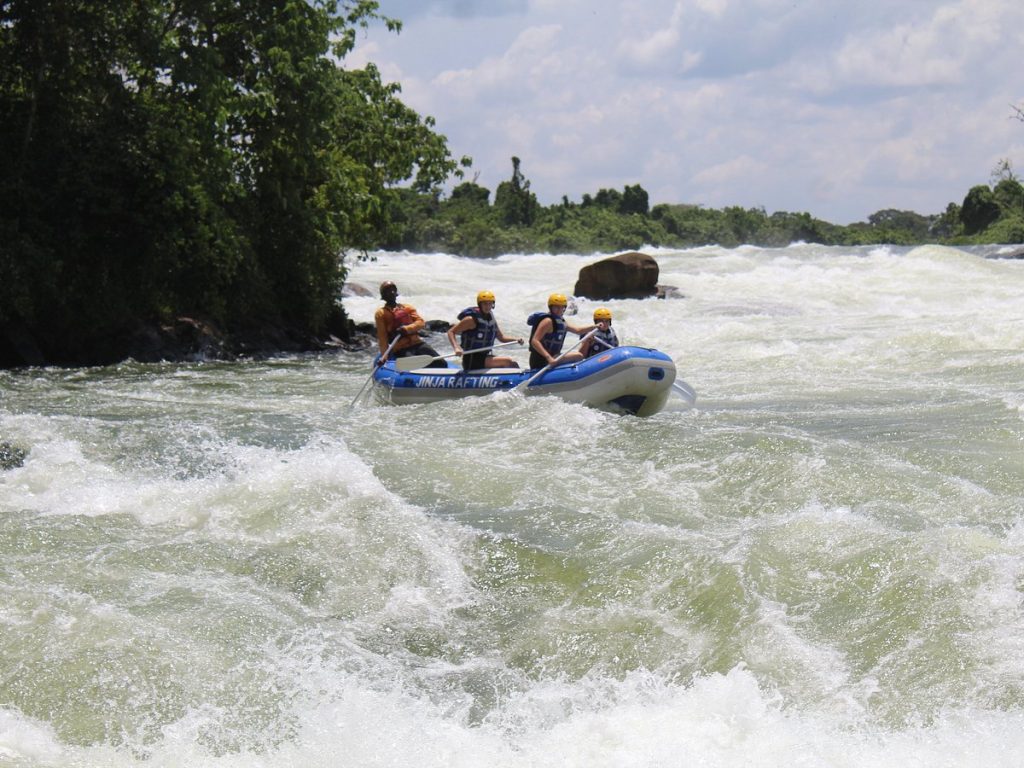 white-water rafting & adventure safari