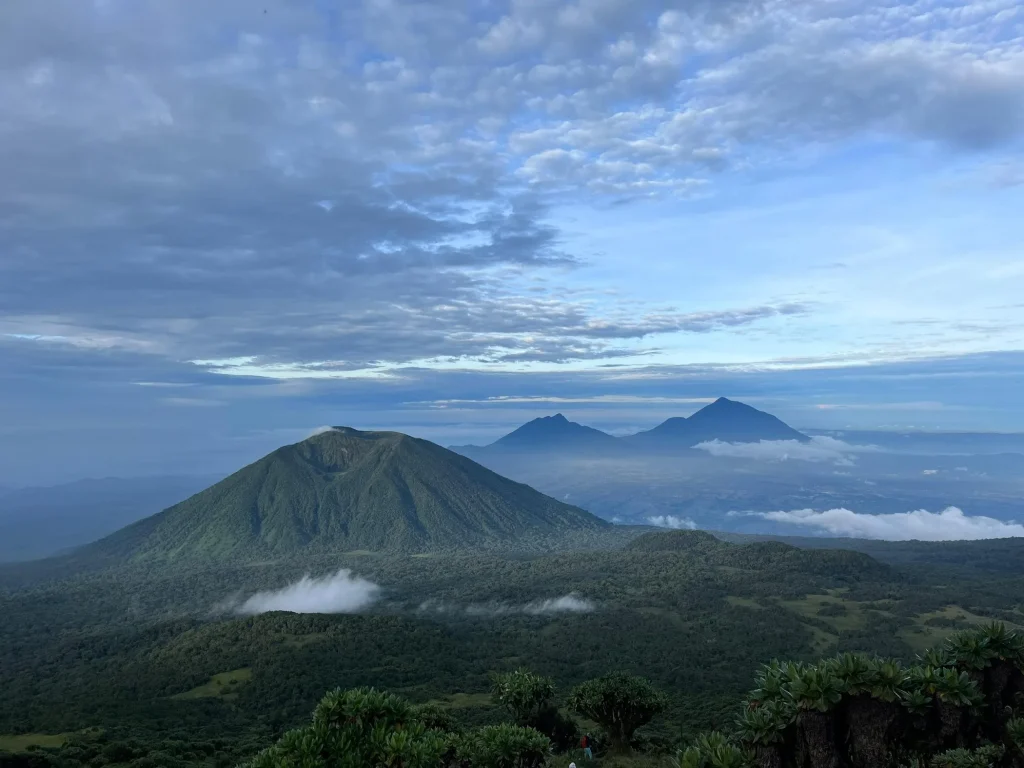
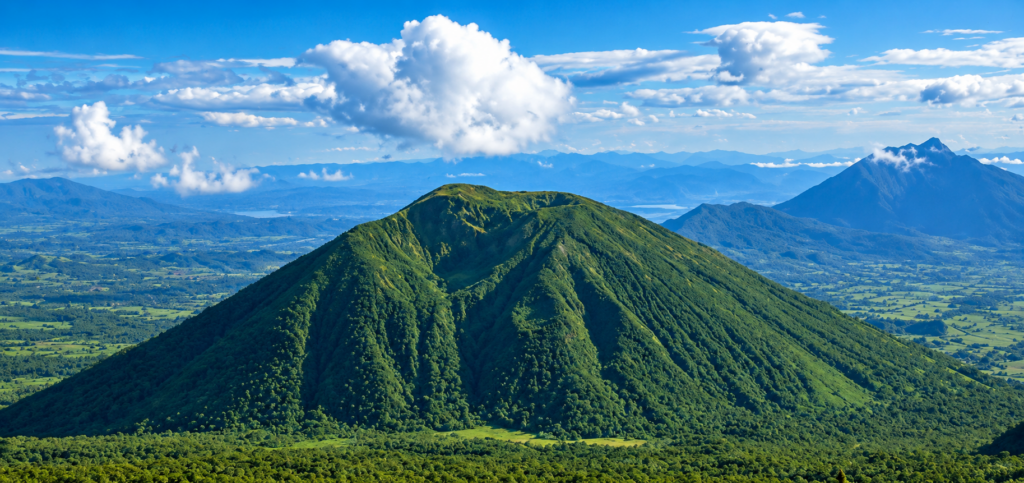
Volcanoes National Park, known locally as Parc National des Volcans, is one of Rwanda’s most celebrated natural destinations. Located in the country’s northwestern region near Musanze, the park protects dramatic volcanic mountains, mist-covered forests, bamboo woodland, montane vegetation and some of the world’s most important remaining mountain gorilla habitat.
Covering approximately 160 square kilometres, Volcanoes National Park forms part of the wider Virunga Conservation Area, which extends across Rwanda, Uganda and the Democratic Republic of the Congo. Its extraordinary scenery and remarkable wildlife make it a central destination for Rwanda safaris, particularly for travellers seeking mountain gorilla trekking, golden monkey tracking, volcano hiking and cultural experiences.
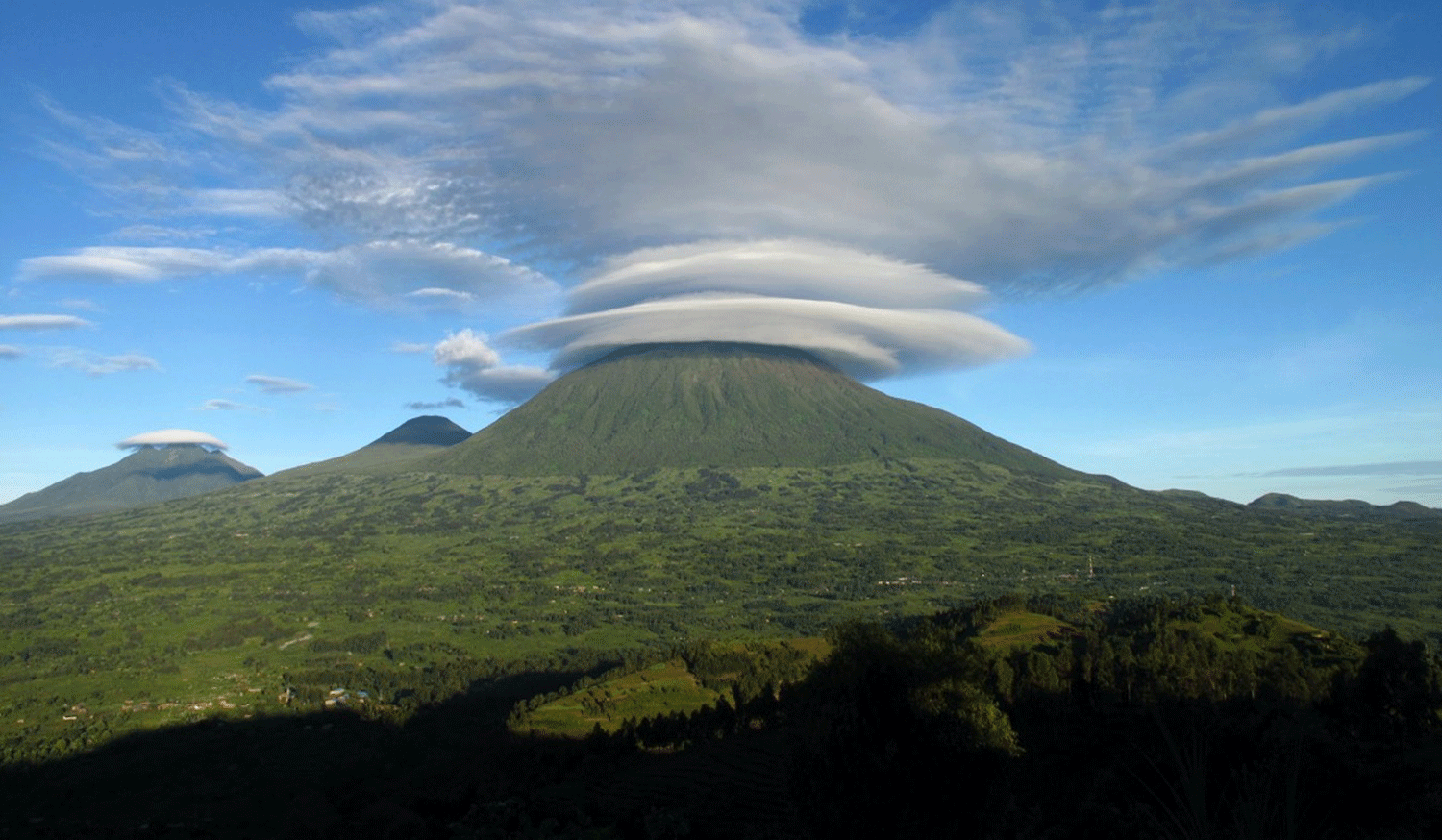
The park is home to five of the Virunga volcanoes: Karisimbi, Bisoke, Muhabura, Gahinga and Sabyinyo. Their forested slopes, rugged ridges and high-altitude landscapes create a striking backdrop for wildlife encounters and outdoor adventures.
Although mountain gorillas are the park’s best-known attraction, Volcanoes National Park offers much more. Visitors can search for golden monkeys in bamboo forests, hike through montane landscapes, explore the history of gorilla conservation, observe Albertine Rift bird species and discover the traditions of communities living around the park.
Mountain Gorilla Trekking
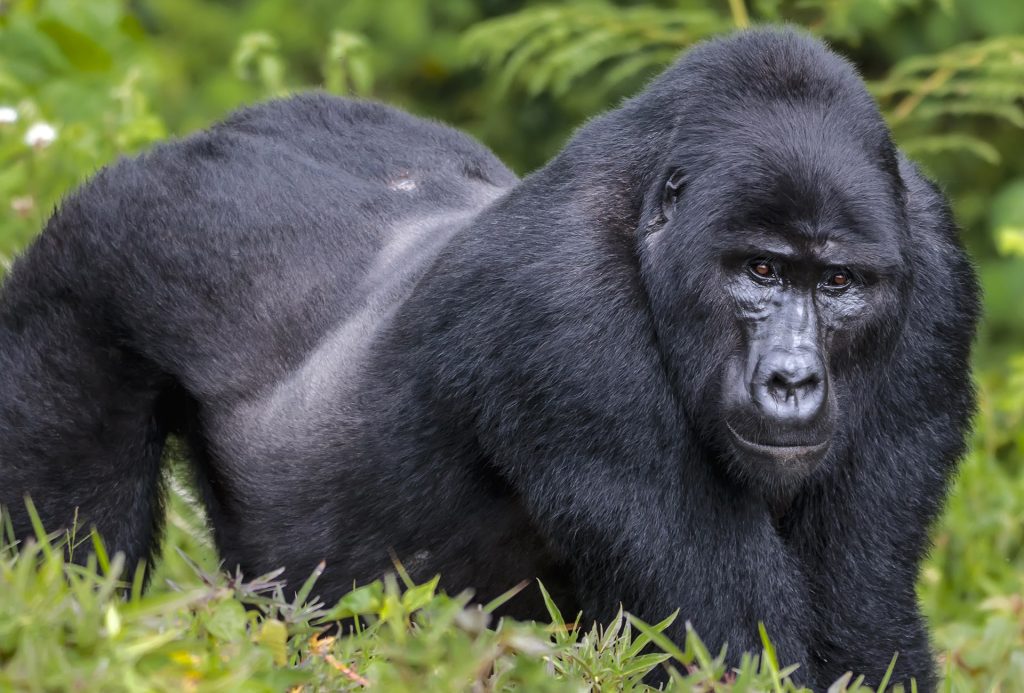
Mountain gorilla trekking is the signature experience of Volcanoes National Park and one of the most memorable wildlife encounters available anywhere in Africa.
The park protects an important population of endangered mountain gorillas living in the forested slopes of the Virunga Mountains. Visitors trek through dense vegetation with trained park guides and trackers to locate a habituated gorilla group. The journey may involve gentle forest paths, steep slopes, muddy ground and thick vegetation, depending on the group’s location.
Once the gorillas are found, visitors are generally permitted to spend one hour observing them, subject to current park regulations. This encounter provides an opportunity to watch their feeding, grooming, social interactions, movement and family behaviour in their natural habitat.
Seeing a gorilla family at close range can be an emotional and educational experience. Young gorillas may play around adults, mothers care for their infants, and dominant silverbacks help maintain the group’s social structure.
Trekking difficulty varies according to the location and movement of the assigned group. A reasonable level of fitness, suitable hiking boots, waterproof clothing and a willingness to walk through challenging terrain will help visitors prepare.
Gorilla trekking requires a valid permit issued through Rwanda’s authorised booking arrangements. Because permits are limited, advance booking is recommended, particularly during busy travel periods.
Golden Monkey Tracking
Volcanoes National Park is also an important destination for golden monkey tracking.
Golden monkeys are striking primates with golden-orange colouring and dark limbs. They inhabit the bamboo forests of the Virunga Mountains, where they feed on bamboo shoots, leaves, fruit and other plant material.
Tracking these lively monkeys offers a different experience from gorilla trekking. Golden monkeys are often active and move through the bamboo in groups, jumping between stems and foraging along the forest floor.
The activity usually involves a guided walk through suitable forest habitat. Visitors can observe their social behaviour, feeding patterns and interactions while learning about the conservation importance of this regional primate.
Golden monkey tracking is an excellent addition to a gorilla safari, especially for travellers who want to experience more of the park’s wildlife during a multi-day stay.
The Five Volcanoes of Volcanoes National Park
The Virunga Mountains define the park’s dramatic scenery. Five volcanic mountains rise within Rwanda’s protected section of the massif, each offering distinctive landscapes and hiking opportunities.
Mount Karisimbi
Mount Karisimbi is the highest of the Virunga volcanoes, reaching approximately 4,507 metres above sea level. Its name is associated with the word for a white shell in Kinyarwanda, reflecting the pale appearance that can sometimes develop around its summit.
The mountain is known for its high elevation, steep terrain and challenging multi-day climb. Hiking Karisimbi is suited to fit and well-prepared travellers who want an extended mountain adventure.
Mount Bisoke
Mount Bisoke rises to approximately 3,711 metres and is famous for its crater lake near the summit. The hike passes through changing vegetation zones and offers dramatic views when the weather is clear.
The climb is demanding in places, with steep sections and potentially muddy conditions, but it provides an opportunity to experience the volcanic landscape at close range.
Mount Muhabura
Mount Muhabura reaches approximately 4,127 metres and is characterised by its steep profile and high-altitude terrain. It is one of the most prominent peaks visible from the surrounding region.
Hiking this mountain requires good physical preparation and appropriate guiding arrangements. Conditions can change quickly with elevation.
Mount Gahinga
Mount Gahinga reaches approximately 3,474 metres and is associated with bamboo forest and montane vegetation. Its landscape forms part of the wider transboundary ecosystem shared with neighbouring Uganda.
The mountain is especially relevant to travellers combining Rwanda’s Volcanoes National Park with Mgahinga Gorilla National Park in Uganda.
Mount Sabyinyo
Mount Sabyinyo reaches approximately 3,669 metres. Its rugged, eroded summit gives it a distinctive appearance among the Virunga peaks.
The mountain lies within the transboundary conservation landscape shared by Rwanda, Uganda and the Democratic Republic of the Congo. Hiking arrangements and access depend on the country through which the activity is organised.
Volcano hiking requires advance arrangements, appropriate equipment and a guide. Not every mountain is suitable for every visitor, so the chosen route should match the traveller’s fitness, available time and experience.
Dian Fossey and the History of Gorilla Conservation
Volcanoes National Park is closely associated with the life and work of Dian Fossey, the American primatologist who devoted much of her career to studying and protecting mountain gorillas.
Fossey established the Karisoke Research Centre in the Virunga Mountains in 1967. Her research contributed to the understanding of gorilla behaviour and brought international attention to the threats facing the species.
Her conservation work remains an important part of the park’s history. The Dian Fossey Tomb hike takes visitors through montane forest to the area associated with her research and final resting place.
The hike is both a nature experience and a historical journey. Along the trail, visitors can learn about gorilla research, conservation challenges, habitat protection and the long-term efforts to safeguard these endangered primates.
The route can be physically demanding, so visitors should prepare for uneven terrain, changes in weather and a substantial walk.
Buhanga Eco-Park
Buhanga Eco-Park is a forested cultural site near Musanze associated with the traditions and royal history of Rwanda.
The forest holds cultural significance and is linked to stories and rituals connected with the historical Rwandan monarchy. It offers a different perspective on the region, combining woodland scenery with cultural heritage.
A visit can complement wildlife-focused activities by introducing travellers to the historical relationship between local communities, forests and traditional institutions.
Access and available guided experiences should be confirmed before visiting.
Musanze Caves
Musanze Caves are among the region’s most interesting geological attractions. Formed by volcanic processes, the caves contain extensive passages and rock formations that reveal aspects of the area’s geological history.
The caves provide an alternative activity for travellers who want to explore beyond gorilla trekking and mountain hiking. Guided visits can introduce the formation of the caves, their physical features and their place in local history.
The caves are outside the main park boundary, making them a useful addition to a wider Musanze itinerary. Visitors should arrange access with authorised local guides and follow safety instructions.
Birdwatching in Volcanoes National Park
Volcanoes National Park is an important destination for birdwatchers, particularly those interested in the Albertine Rift’s distinctive birdlife.
The park’s montane forests, bamboo zones, grasslands and wetlands support a wide variety of birds. Specialist birders may search for species such as the Rwenzori Turaco, Rwenzori Double-collared Sunbird, Rwenzori Batis, Handsome Francolin, Grauer’s Swamp-warbler, Red-faced Woodland Warbler and various forest-dwelling flycatchers and warblers.
Birding is especially rewarding for visitors who take time to explore different habitats rather than concentrating only on the park’s larger mammals.
A knowledgeable guide can help identify birds by sight and sound, explain their habitats and distinguish similar species. The cool mountain environment and changing forest light also create excellent opportunities for wildlife photography.
Forests, Bamboo and Mountain Landscapes
The park’s vegetation changes with elevation, creating a rich mosaic of habitats.
Lower slopes include bamboo forests and montane woodland, while higher areas contain heathland, grassland and specialised high-altitude vegetation. These habitats support different plants and animals and contribute to the ecological importance of the Virunga Mountains.
Mist often drifts across the mountain slopes, giving the forests a dramatic atmosphere. When clouds lift, visitors may enjoy views of volcanic ridges, deep valleys and surrounding countryside.
Nature walks provide opportunities to appreciate the smaller details of the ecosystem, including mosses, flowering plants, insects, birdlife and signs of wildlife movement.
Wildlife Beyond Gorillas
Although mountain gorillas attract most visitors, Volcanoes National Park supports other wildlife species.
Golden monkeys are among its best-known inhabitants. The wider ecosystem also supports forest and montane mammals such as black-fronted duikers, buffaloes, bushbucks and other species associated with the Virunga landscape.
Wildlife sightings vary with habitat, season and animal movement. Visitors should not expect every species to be seen during a single walk, but guided exploration can reveal evidence of wildlife and the ecological relationships that sustain the forest.
Protecting these habitats is important not only for individual species but also for the long-term health of the wider Virunga ecosystem.
Twin Lakes: Burera and Ruhondo
Lakes Burera and Ruhondo lie near Musanze, outside the main park boundary, and are among the region’s most scenic nearby attractions.
The two lakes are surrounded by green hills, cultivated slopes and mountain scenery. Their calm waters provide a contrast to the steep terrain of Volcanoes National Park.
Visitors can enjoy viewpoints, photography, lakeside experiences and organised boat excursions where available. The area is particularly appealing to travellers who want a slower-paced activity after a strenuous gorilla trek or mountain hike.
The Twin Lakes can be incorporated into a multi-day itinerary alongside Musanze, cultural experiences and visits to the park.
Iby’Iwacu and Community-Based Cultural Experiences
Community experiences around Volcanoes National Park provide an opportunity to learn about the traditions and daily lives of people living near the Virunga Mountains.
The Gorilla Guardians Village, historically known as Iby’Iwacu, is associated with community-based tourism and conservation education. Visitors may experience traditional dance, music, drumming, crafts, storytelling and demonstrations of aspects of Rwandan cultural life.
These activities help travellers understand the connection between conservation, livelihoods and communities surrounding the park.
Cultural experiences should be approached as opportunities to learn from local people, with respect for their traditions and the time and work involved in hosting visitors.
Conservation and Community Tourism
Volcanoes National Park plays a major role in mountain gorilla conservation. Protecting gorillas requires habitat management, veterinary support, research, monitoring and cooperation between conservation authorities and surrounding communities.
Tourism contributes to the wider conservation economy by creating employment for guides, trackers, porters, lodge staff and other local service providers. Community tourism can also provide opportunities for cultural practitioners, craftspeople and small businesses.
Responsible travel means following park regulations, keeping a respectful distance from wildlife, avoiding litter and observing guidance from rangers. Visitors who are unwell should follow the park’s health rules, which are designed to reduce the risk of disease transmission to gorillas.
The park also forms part of a transboundary conservation landscape, where collaboration across national borders is essential for protecting wildlife populations and their habitats.
Activities to Enjoy in Volcanoes National Park
Volcanoes National Park offers experiences for wildlife enthusiasts, hikers, photographers, birdwatchers and cultural travellers.
Mountain gorilla trekking is the headline activity, while golden monkey tracking offers another close wildlife encounter. Hikers can challenge themselves on Mount Bisoke or Mount Karisimbi, subject to the relevant guiding and permit arrangements.
Visitors interested in conservation history can undertake the Dian Fossey Tomb hike. Birdwatching and guided forest walks reveal the park’s smaller wildlife and botanical diversity.
Beyond the park itself, visitors can explore Musanze Caves, enjoy the scenery of Lakes Burera and Ruhondo, visit Buhanga Eco-Park and participate in cultural experiences around Musanze and Kinigi.
Combining two or three activities across several days allows visitors to appreciate the region without rushing through every experience.
Why Choose Volcanoes National Park?
Volcanoes National Park brings together rare wildlife encounters, dramatic mountain scenery, conservation history and Rwandan cultural heritage.
The opportunity to observe endangered mountain gorillas in their natural habitat is the main reason many visitors travel here. However, the park’s golden monkeys, five volcanic peaks, birdlife, forest trails and connections to Dian Fossey’s conservation legacy make it rewarding beyond a single gorilla trek.
Nearby attractions add further variety, from Musanze Caves and Buhanga Eco-Park to the Twin Lakes and community cultural experiences.
Whether you are planning a dedicated gorilla safari, a mountain hiking adventure or a wider Rwanda itinerary, Volcanoes National Park offers an exceptional introduction to the landscapes and wildlife of the Virunga Mountains.
Main Attractions
01
Mountain Gorillas. Encounter endangered mountain gorillas in their natural forest habitat during a guided trek to a habituated group.
02
Golden Monkeys. Observe the colourful and energetic golden monkeys that inhabit the park's bamboo forests.
03
Mount Karisimbi. Explore the region around the highest Virunga volcano, rising to approximately 4,507 metres, through a demanding guided mountain expedition.
04
Mount Bisoke. Hike toward the volcanic summit and crater lake through changing montane vegetation and rugged mountain terrain.
05
Mount Muhabura. Discover one of the Virunga's prominent high peaks, known for its steep profile and expansive mountain scenery.
06
Mount Gahinga. Explore the volcanic landscape and bamboo habitats associated with this mountain on the Rwanda–Uganda conservation frontier.
07
Mount Sabyinyo. Admire the distinctive rugged volcanic peak within the transboundary Virunga landscape.
08
Dian Fossey Conservation Legacy. Follow the history of gorilla research and conservation through the guided hike associated with Dian Fossey's tomb and the Karisoke Research Centre.
09
Bamboo and Montane Forests. Experience the park's distinctive highland vegetation, which provides habitat for gorillas, golden monkeys, birds and other wildlife.
10
Albertine Rift Birdlife. Search for regional forest specialists, including Rwenzori Turaco, Rwenzori Batis, Handsome Francolin and other highland species.
11
Buhanga Eco-Park. Discover a culturally significant forest associated with Rwandan traditions and royal history.
12
Musanze Caves. Explore volcanic cave formations and learn about the geological history of the surrounding landscape.
13
Twin Lakes of Burera and Ruhondo. Enjoy scenic views, lakeside experiences and organised boat excursions near Musanze.
14
Gorilla Guardians Village. Experience traditional music, dance, crafts and cultural storytelling through a community-based tourism initiative.
15
Virunga Mountain Landscapes. Admire misty ridges, volcanic slopes, forested valleys and high-altitude vegetation throughout the park.
Things To Do
01
Mountain Gorilla Trekking. Hike through montane forest with park guides and trackers to observe a habituated mountain gorilla group under official viewing regulations.
02
Golden Monkey Tracking. Follow guided trails through bamboo forest to observe golden monkeys feeding, moving and interacting in their natural habitat.
03
Mount Bisoke Hiking. Undertake a guided climb toward the crater lake, experiencing the park's changing vegetation and mountain scenery.
04
Mount Karisimbi Expedition. Challenge yourself on a multi-day high-altitude hike, subject to permit arrangements and suitable preparation.
05
Other Volcano Hiking. Explore authorised routes associated with the Virunga mountains through approved guiding arrangements.
06
Dian Fossey Tomb Hike. Learn about the history of gorilla research and conservation on a guided forest hike associated with Dian Fossey's legacy.
07
Birdwatching. Search for Albertine Rift endemics and other highland forest birds with a knowledgeable guide.
08
Guided Nature Walks. Discover montane plants, bamboo forest, smaller wildlife and the ecology of the Virunga landscape.
09
Wildlife Photography. Photograph mountain gorillas, golden monkeys, birds and forest scenery while following park regulations.
10
Forest and Botanical Exploration. Learn about the vegetation zones, ecological relationships and conservation importance of the mountain forest.
11
Musanze Cave Exploration. Visit the nearby caves with an authorised guide and discover their geological formations and history.
12
Cultural Experiences. Enjoy traditional music, dance, drumming, crafts and storytelling through community-based tourism initiatives.
13
Buhanga Eco-Park Visit. Explore a culturally significant forest and learn about its historical and traditional associations.
14
Twin Lakes Excursion. Enjoy scenic viewpoints, lakeside relaxation, photography and organised boating where available.
15
Conservation Learning Experiences. Discover the importance of gorilla protection, responsible tourism, habitat conservation and community involvement.
 gorilla, golden monkey, chimpanzee trekking, cultural & wildlife safari