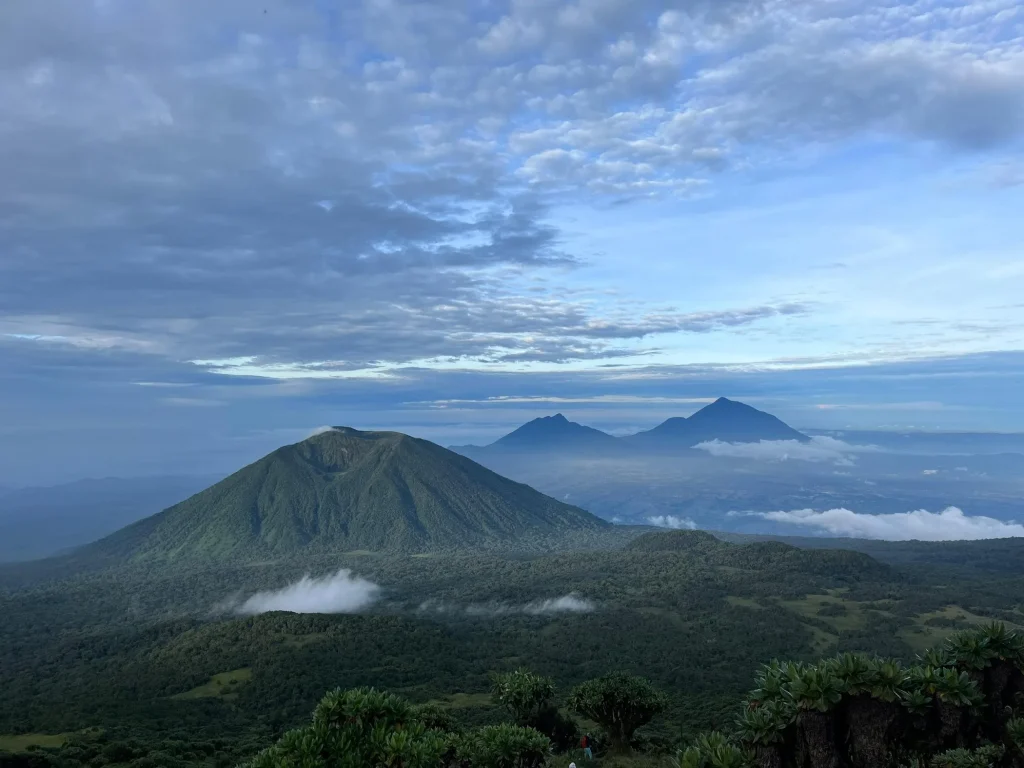
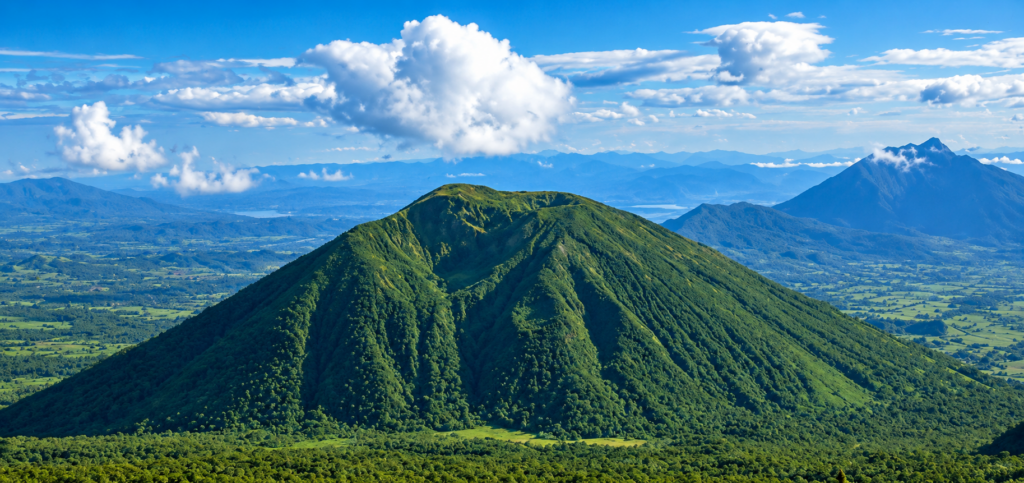
Akagera National Park is one of Rwanda’s most remarkable natural treasures, offering an exceptional contrast to the country’s famous mountain gorilla forests. Located in eastern Rwanda along the border with Tanzania, Akagera is the country’s only savannah-dominated national park and its premier destination for traditional African wildlife safaris. Covering approximately 1,122 square kilometres, the park protects an extraordinary landscape of open grasslands, rolling hills, acacia woodlands, papyrus swamps, winding waterways and beautiful lakes.
Named after the Akagera River, which forms much of its eastern boundary, the park is a place where expansive plains meet one of Central Africa’s most important protected wetland systems. The combination of land and water creates habitats for an impressive range of mammals, reptiles and birds, making Akagera ideal for wildlife viewing, photography, birdwatching and immersive nature experiences.
For travellers seeking elephants, lions, leopards, buffaloes and rhinoceroses in their natural environment, Akagera offers an exciting safari experience without leaving Rwanda. It is also an excellent destination for families, couples, photographers, bird enthusiasts and visitors who want to combine wildlife viewing with Rwanda’s cultural heritage and scenic countryside.
A Remarkable Big Five Safari Destination
Akagera is Rwanda’s leading destination for Big Five wildlife viewing. Its conservation story is particularly inspiring: after years of habitat pressure and declining wildlife populations, sustained conservation efforts helped restore the park’s ecological importance. Lions were reintroduced in 2015, followed by eastern black rhinoceroses in 2017, restoring the presence of all five animals traditionally known as Africa’s Big Five.
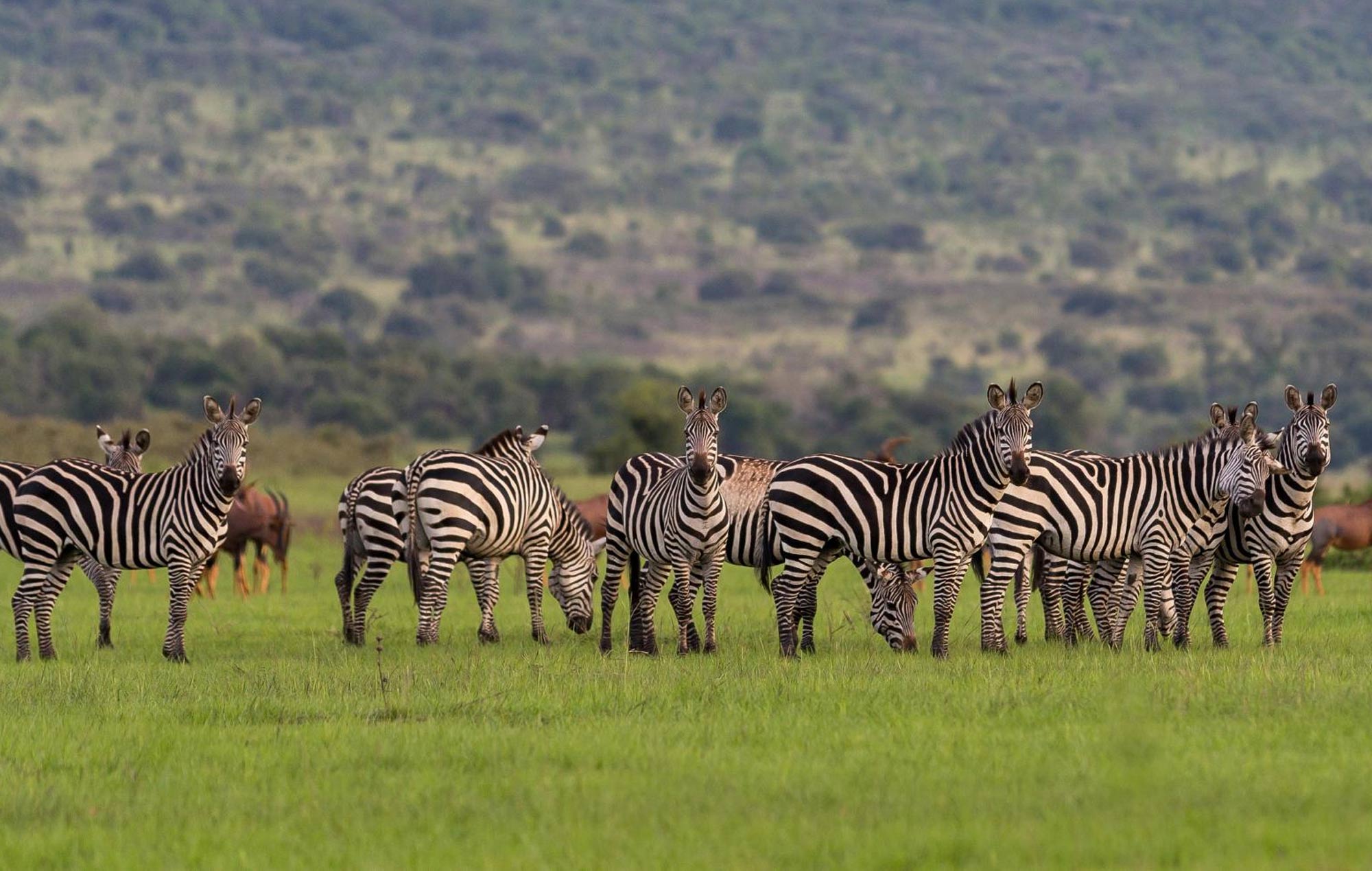
The park’s wildlife includes African elephants, lions, leopards, rhinoceroses and Cape buffaloes. Visitors may also encounter Masai giraffes browsing among acacia trees, plains zebras moving across open grasslands, hippos gathering in lakes, crocodiles along the water’s edge and numerous antelope species grazing across the plains.
Other wildlife includes impalas, topis, waterbucks, bushbucks, elands, oribis and other savannah-adapted animals. Baboons, vervet monkeys and other small mammals add to the diversity of sightings. The park’s wildlife is free-ranging, and sightings depend on season, habitat conditions, animal movements and the time spent exploring.
Akagera is especially rewarding for visitors who enjoy the anticipation of a game drive. Every stretch of track can reveal a new scene, from giraffes silhouetted against the morning light to buffalo herds crossing the plains or an elephant emerging from woodland.
Explore Akagera’s Diverse Landscapes
Akagera’s appeal lies not only in its wildlife but also in the remarkable variety of landscapes within its boundaries. The park’s western hills descend towards broad savannah plains, woodland, wetlands and a chain of lakes associated with the Akagera River system.
Open grasslands provide excellent opportunities to scan for grazing animals and predators. Acacia woodland offers shade and shelter for mammals and birds, while rolling hills create sweeping views across the countryside. In other areas, papyrus swamps and marshy shorelines provide habitat for waterbirds and specialised wetland wildlife.
These different environments give Akagera a distinctive character. The landscape can change noticeably during a single safari, moving from dry-looking plains and scattered trees to lush vegetation around lakes and marshes. Seasonal rainfall influences the colour of the grass, the availability of water and the distribution of wildlife, creating different photographic and wildlife-viewing opportunities throughout the year.
Game Drives Across the Savannah Plains
Game drives are the classic way to experience Akagera National Park. Travelling by safari vehicle allows visitors to explore different habitats while looking for large mammals, predators, antelope and birdlife. Morning drives offer fresh light and the possibility of encountering animals while they are active, while afternoon and sunset drives reveal the changing colours of the savannah.
With an experienced guide, visitors can learn to recognise tracks, identify animal behaviour and understand how the park’s ecosystems function. Guides also help interpret the landscape and explain the conservation work that supports Akagera’s recovering wildlife populations.
A full-day safari can provide more time to explore, particularly for travellers hoping to visit different areas of the park. Overnight stays are especially worthwhile because they allow visitors to enjoy multiple drives without having to rush back towards Kigali. Self-drive safaris are also possible for visitors who prefer to explore at their own pace, subject to park regulations and access conditions.
Lake Ihema: Boat Safaris and Aquatic Wildlife
Lake Ihema is one of Akagera’s most memorable attractions. Its waters and surrounding wetlands support an abundance of aquatic life and bird species, providing a different perspective from a conventional game drive.
A guided boat excursion offers opportunities to observe hippos resting in the water, Nile crocodiles along the shoreline and waterbirds feeding, swimming or nesting among the vegetation. Depending on the season and conditions, visitors may see African fish eagles, herons, egrets, kingfishers, cormorants and other wetland species.
The lake’s calm atmosphere also creates excellent opportunities for photography. Reflections of the sky and surrounding vegetation, birds moving over the water and the sounds of wildlife along the shore make the experience especially appealing to nature lovers.
Boat trips operate according to the park’s current schedule and availability. Visitors should arrange their excursion in advance, especially during busy travel periods.
A Paradise for Birdwatching
Akagera is among Rwanda’s most rewarding birdwatching destinations, with more than 500 recorded bird species reported by tourism sources. Its combination of savannah, woodland, lakes, riverine habitats and extensive papyrus wetlands attracts an impressive variety of resident and migratory birds.
One of the park’s most sought-after species is the shoebill, a striking wetland bird associated with suitable marsh habitats. Birdwatchers may also look for the papyrus gonolek, African fish eagle, saddle-billed stork, African jacana, grey crowned crane, lilac-breasted roller, woodland kingfisher and numerous herons, egrets, weavers and raptors.
The park is particularly interesting for birders because different habitats support different species. Wetland edges reward patient observation, while woodland and open grassland offer opportunities to find birds with very different feeding and nesting behaviours.
Birdwatching can be enjoyed as part of a general safari or as a dedicated activity with a knowledgeable guide. Binoculars, a bird field guide and a camera with a suitable lens can greatly enhance the experience.
Night Drives and the Hidden World of Akagera
Akagera’s wildlife experience does not end when daylight fades. An organised night drive offers a chance to discover the nocturnal side of the ecosystem and look for animals that are rarely seen during the day.
With the assistance of a guide and appropriate lighting, visitors may encounter bushbabies, genets, civets, servals, hyenas and other nocturnal species. Predators and other mammals may also be active after sunset, although sightings are never guaranteed.
Night drives offer a different atmosphere from daytime safaris. The sounds of insects and frogs, the silhouettes of trees and the occasional reflection of an animal’s eyes in the darkness make the experience especially memorable. These excursions must follow the park’s operating rules and should be booked through authorised providers.
Hot-Air Balloon Safaris and Special Wildlife Experiences
For visitors looking for a distinctive perspective, a hot-air balloon safari may provide an unforgettable way to appreciate Akagera’s vast landscape. From above, the patchwork of grassland, woodland, lakes and wetlands reveals the scale and beauty of the park.
Wildlife may be visible from the air, depending on conditions, but the main attraction is the panoramic view and the opportunity to photograph the landscape from a different angle. Balloon experiences are operated separately from ordinary park entry and are subject to availability, weather and booking requirements.
Other experiences may include sport fishing at designated locations, guided conservation activities and selected community experiences arranged with local partners. These activities allow visitors to explore different aspects of the region while supporting tourism initiatives linked to conservation and local livelihoods.
Conservation and Community Partnerships
Akagera National Park is widely recognised for its conservation recovery. The management partnership between the Rwanda Development Board and African Parks, established in 2010, has supported wildlife protection, habitat management, anti-poaching work, tourism development and engagement with communities living around the park.
The return of lions and rhinoceroses is an important part of this story, but conservation extends far beyond the restoration of individual species. Maintaining healthy habitats, protecting wetlands, monitoring wildlife, supporting responsible tourism and working with surrounding communities are all important to the park’s future.
Tourism can contribute to conservation through park fees, guided activities, accommodation and community-linked experiences. Visitors can support these efforts by respecting wildlife viewing distances, following their guide’s instructions, keeping to authorised routes, avoiding litter and choosing responsible operators.
Akagera is more than a place to see wildlife; it is also an opportunity to understand how long-term conservation and tourism can work together to protect a landscape of national and international importance.
Cultural Experiences Around Akagera
The communities surrounding Akagera have rich traditions connected to cattle keeping, agriculture, food, crafts and rural life in eastern Rwanda. Selected community experiences can introduce visitors to local livelihoods and everyday cultural practices through visits arranged with community guides and participating households.
Depending on availability, experiences may include learning about traditional dairy practices, visiting a honey cooperative, discovering local food production or meeting people involved in community-based tourism. These encounters offer a meaningful complement to wildlife viewing and provide opportunities for tourism income to reach local residents.
Cultural visits should be arranged through recognised community partners, with respect for local customs, privacy and the wishes of the people being visited.
Why Include Akagera National Park in Your Rwanda Safari?
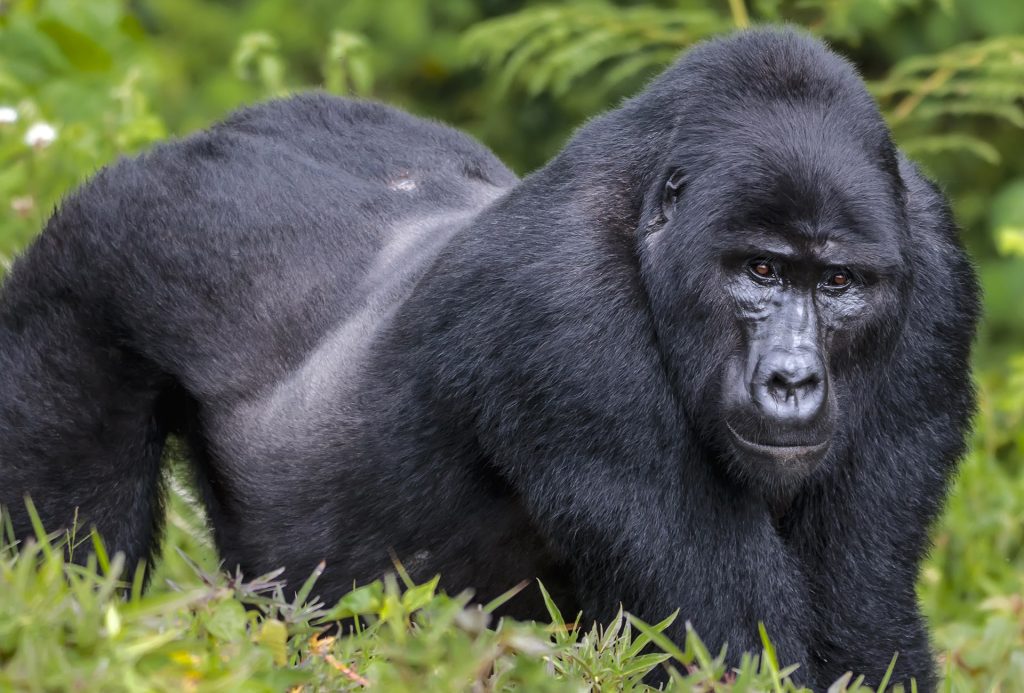
Akagera brings a different dimension to a Rwanda holiday. Where Volcanoes National Park is celebrated for mountain gorillas and dramatic volcanic scenery, Akagera offers open savannah, classic game drives, Big Five wildlife, lake cruises and extensive birdlife.
Combining the two parks creates a varied itinerary that showcases Rwanda’s remarkable natural diversity. Travellers can spend one part of their journey exploring the mountain forests of the northwest and another discovering the lakes, wetlands and wildlife-rich plains of the east. Akagera can also be paired with Kigali’s cultural attractions and other destinations according to the length of the trip.
Whether you are planning a day excursion, a family wildlife holiday, a photography-focused safari or a longer East African adventure, Akagera National Park offers a distinctive combination of wildlife, scenery, conservation and hospitality.
Main Attractions
01
Big Five Wildlife: Akagera is Rwanda’s premier savannah safari destination, with lions, leopards, elephants, rhinoceroses and Cape buffaloes. Sightings depend on wildlife movements and the conditions of each visit.
02
Akagera Savannah Plains: Expansive grasslands and open plains provide opportunities to observe giraffes, zebras, buffaloes and numerous antelope species while enjoying classic African safari scenery.
03
Lake Ihema: One of the park’s best-known lakes, offering boat excursions, aquatic wildlife viewing and excellent opportunities to observe birds along the shoreline.
04
Akagera River: The river forms much of the park’s eastern boundary and contributes to the network of wetlands and lakes that make the area ecologically distinctive.
05
Papyrus Swamps and Wetlands: Extensive marshes provide important habitat for waterbirds and specialised wetland wildlife, including species that are difficult to find in open savannah.
06
Shoebill Habitat: Akagera’s wetland environments provide potential opportunities to search for the remarkable shoebill, one of the most sought-after birds in the region. Sightings are never guaranteed.
07
Lake Rwanyakazinga: A scenic lake surrounded by rich wetland habitat, associated with wildlife viewing and premium safari experiences in the park’s northern area.
08
Masai Giraffes: These tall, distinctive giraffes are among the park’s memorable savannah animals and are often photographed feeding among scattered acacia trees.
09
Elephant Herds: African elephants roam the park’s varied habitats and may be encountered during game drives, particularly in areas where vegetation and water provide suitable conditions.
10
Lions and Other Predators: Akagera’s recovering predator populations add excitement to game drives. Lions, leopards and other carnivores can be difficult to locate, making a knowledgeable guide valuable.
11
Woodlands and Rolling Hills: The park’s acacia woodlands, hills and patches of forest create a varied landscape, with changing views and habitats for different wildlife and bird species.
12
Northern Savannah and Wildlife Areas: Exploring the northern parts of Akagera can add variety to a longer safari, with different landscapes and opportunities to observe wildlife away from the main southern visitor areas.
13
Birdwatching Landscapes: More than 500 bird species have been reported in tourism sources for Akagera. The park’s lakes, papyrus swamps, grasslands and woodlands make it a rewarding destination for both general birdwatchers and specialist birders.
14
Conservation Recovery Story: The return of lions and eastern black rhinoceroses, together with continuing habitat and wildlife management, makes Akagera an important destination for travellers interested in conservation.
15
Community Experiences Around the Park: Selected activities with community guides and local partners offer insight into rural livelihoods, traditional dairy practices, honey production and other aspects of life in eastern Rwanda.
Things To Do
01
Guided Game Drives: Explore Akagera’s savannah, woodland and wetland edges with an experienced guide who can help identify animals, interpret behaviour and explain the park’s ecosystems.
02
Self-Drive Safaris: Discover the park in your own vehicle, following authorised tracks and park regulations. Visitors should plan their route, fuel, time and exit gate carefully.
03
Big Five Wildlife Viewing: Search for lions, leopards, elephants, rhinoceroses and buffaloes during game drives. These are wild animals, so sightings cannot be guaranteed.
04
Boat Safari on Lake Ihema: Enjoy a guided excursion on the lake to look for hippos, crocodiles and waterbirds while experiencing the park from the water.
05
Birdwatching: Search for shoebills, papyrus gonoleks, African fish eagles, saddle-billed storks and a wide variety of wetland, woodland and savannah birds.
06
Wildlife Photography: Capture elephants, giraffes, zebras, antelope, birds and landscapes. Morning and late-afternoon light can be especially attractive for photography.
07
Night Game Drives: Join an authorised night excursion to search for nocturnal wildlife such as bushbabies, genets, civets and other animals active after dark.
08
Hot-Air Balloon Safari: Where available, experience Akagera’s landscape from above and enjoy panoramic views of the savannah, lakes and wetlands. Flights depend on weather and operator schedules.
09
Sport Fishing: Participate in fishing at designated locations, such as Lake Shakani, subject to current park rules, permits and availability.
10
Guided Nature and Conservation Experiences: Learn about the park’s habitats, wildlife protection, conservation work and the management practices that support its recovery.
11
Community Cultural Visits: Meet local people through approved community experiences, which may include traditional dairy practices, honey production and other rural livelihoods.
12
Multi-Day Safari Exploration: Stay overnight in or near the park to enjoy more than one game drive, explore different areas and make time for boat excursions and birdwatching.
13
Sunrise and Sunset Wildlife Viewing: Enjoy changing colours across the plains and lakes while looking for animals during different periods of the day.
14
Camping and Outdoor Experiences: Stay at designated campsites and experience the park’s natural surroundings, following all safety guidance and campsite regulations.
15
Family Wildlife Safaris: Introduce children and adults to African wildlife, birds and conservation through guided activities appropriate to the family’s needs and current park rules.
 gorilla, golden monkey, chimpanzee trekking, cultural & wildlife safari