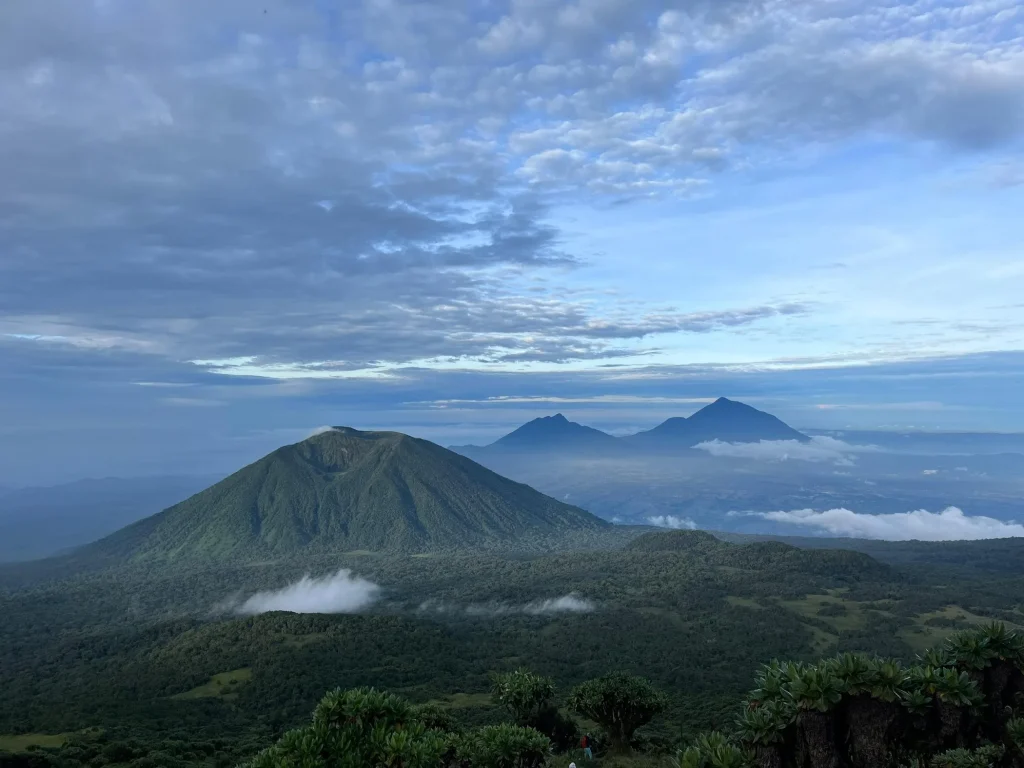
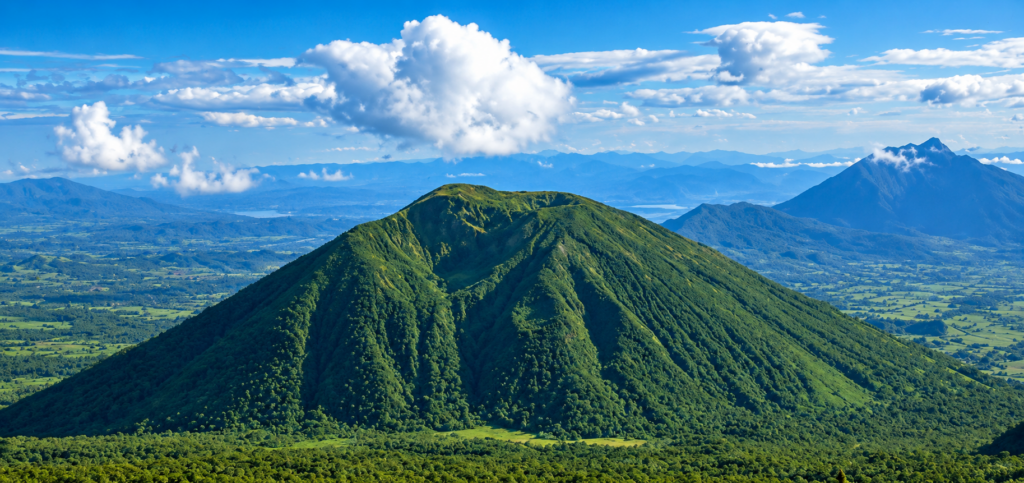
Nyungwe National Park is one of Rwanda’s most extraordinary natural destinations, protecting a vast expanse of ancient montane rainforest in the country’s southwest. Known for its exceptional biodiversity, dramatic green mountains, mist-covered valleys and remarkable concentration of primates, Nyungwe offers a different kind of African wildlife experience from the open savannahs of Akagera National Park.
The forest stretches across the highlands of Rwanda’s Southern and Western provinces, close to the borders with Burundi and the Democratic Republic of the Congo. Its landscape is a rich mosaic of dense evergreen forest, bamboo, mountain ridges, streams, waterfalls, swamps and deep valleys. These habitats support a remarkable variety of wildlife, including chimpanzees, Angolan black-and-white colobus monkeys, L’Hoest’s monkeys, forest birds, butterflies and numerous plant species.
Nyungwe is widely recognised as one of Africa’s important centres of biodiversity and a major conservation area within the Albertine Rift. Its exceptional ecological value was recognised internationally when the park was inscribed on the UNESCO World Heritage List in 2023.
For travellers, Nyungwe offers opportunities to trek through the rainforest in search of chimpanzees, walk high above the treetops on a suspended canopy walkway, explore scenic forest trails, observe rare birds and discover the natural systems that sustain communities across the region. It is a destination for nature lovers, photographers, hikers, birdwatchers and anyone seeking a deeper connection with Rwanda’s wild landscapes.
A Rainforest of Exceptional Biodiversity
Nyungwe protects one of the largest remaining blocks of montane rainforest in East and Central Africa. Its long ecological history and varied elevations have helped create habitats for an extraordinary range of species, including plants and animals found only in the Albertine Rift region.
The forest’s biodiversity is visible in its towering trees, moss-covered branches, climbing plants, orchids, ferns and dense undergrowth. Sunlight filters through the canopy in changing patterns, while mist moves between the hills and moisture feeds the streams and wetlands below. Different forest zones support different communities of wildlife, making each trail a potentially distinctive experience.
Nyungwe is also an important water catchment. Its forested slopes collect and regulate rainfall, feeding streams and river systems associated with the Congo and Nile basins. Protecting the forest therefore benefits not only its wildlife but also water security, soil stability and the ecological health of surrounding landscapes.
Visitors should expect a true rainforest environment: trails can be wet, conditions can change quickly, and wildlife is often heard before it is seen. A guided visit offers the opportunity to understand these complex ecosystems and appreciate the importance of preserving them.
Chimpanzee Tracking in Nyungwe Forest
Chimpanzee tracking is one of Nyungwe’s signature wildlife experiences. The park protects communities of eastern chimpanzees, our close living relatives, which move through the forest in search of fruit, leaves and other foods. Their social behaviour, vocal communication and agility in the trees make an encounter particularly memorable.
Tracking usually begins early, when visitors meet their guides and trackers before heading into the forest. The search may involve following forest paths, listening for calls, looking for feeding signs and moving through areas where chimpanzees have recently been observed. Because chimpanzees travel widely and spend time both on the ground and in the canopy, the length and difficulty of the trek can vary.
When the chimpanzees are located, visitors can observe their behaviour under the guidance of trained staff and subject to current viewing rules. They may see individuals feeding, grooming, calling to one another or moving rapidly through the trees. Sightings are not guaranteed, and the experience requires patience, appropriate footwear and a reasonable level of physical fitness.
Chimpanzee tracking offers more than an opportunity to see wildlife. It provides a window into the behaviour of a highly social primate and the conservation challenges facing forest ecosystems. Visitors should follow all instructions on distance, hygiene and behaviour to reduce disturbance and protect both people and animals.
Chimpanzee Habituation Experience
For visitors interested in a deeper understanding of chimpanzee behaviour, Nyungwe may offer a chimpanzee habituation experience in designated areas and under authorised arrangements. This activity involves spending extended time with researchers, trackers or conservation personnel as they observe chimpanzees and support the gradual process of habituation.
Depending on the programme, visitors may learn how trackers identify individuals, interpret behaviour, follow feeding patterns and collect information used in ongoing monitoring. The experience can provide a more detailed perspective on the daily lives of chimpanzees and the work required to understand and protect them.
Habituation experiences are distinct from ordinary tracking and may require a longer day, advance reservations and specific permits. Availability and visitor conditions should be confirmed before booking.
The Nyungwe Canopy Walkway
One of Nyungwe’s most celebrated attractions is its suspended canopy walkway, which offers a remarkable perspective over the rainforest. Reached by a guided forest walk from the Uwinka Visitor Centre, the walkway stretches above the forest floor and provides panoramic views of the treetops, distant ridges and deep green valleys.
Walking across the suspended bridge is an exciting way to experience the scale of the forest. From above, visitors can appreciate the layered structure of the canopy and look for birds, butterflies and movement among the branches. The misty mountain scenery can make the experience especially atmospheric, while clear conditions may reveal sweeping views across the forested landscape.
The approach trail is part of the adventure, taking visitors through the forest before they reach the elevated walkway. The walk may include uneven ground, steps and damp surfaces, so suitable footwear is important. Visitors who are uncomfortable with heights should consider their comfort before booking.
The canopy walkway is popular with photographers and travellers seeking a distinctive rainforest activity. It is best enjoyed at a relaxed pace, allowing time to appreciate the views and listen to the sounds of the forest.
Angolan Black-and-White Colobus Monkey Tracking
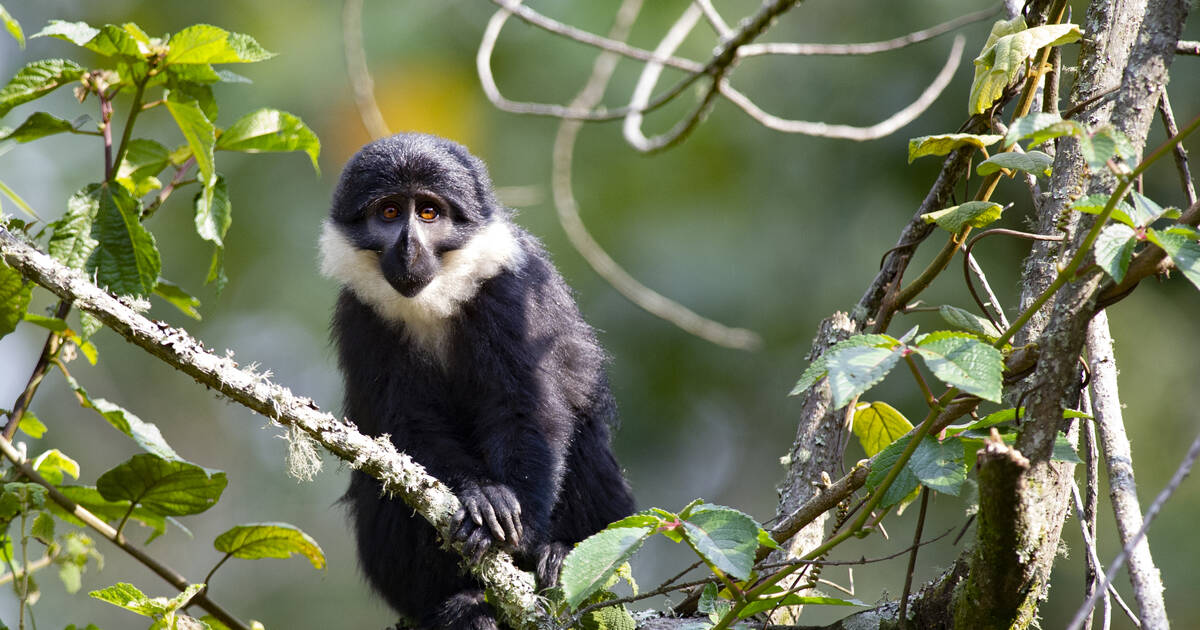
Nyungwe is famous for its Angolan black-and-white colobus monkeys, which can gather in exceptionally large troops. Tracking these striking primates is a rewarding activity for visitors interested in monkey behaviour and forest photography.
Their contrasting black-and-white coats are easy to recognise when the animals are visible among the trees. Colobus monkeys often move through the canopy in groups, leaping between branches and communicating with one another as they feed and travel. Large troops can create an impressive spectacle, although visibility depends on where the animals are located and the density of the vegetation.
Guided tracking helps visitors locate the monkeys while learning about their feeding habits, social structure and role in the forest ecosystem. The experience also offers opportunities to observe other wildlife and appreciate the complexity of Nyungwe’s interconnected habitats.
Colobus tracking is an excellent complement to chimpanzee trekking, especially for visitors who want to experience more than one of the park’s primate communities.
A Paradise for Birdwatching
Nyungwe is one of Rwanda’s most important birdwatching destinations. Its extensive forest, mountain slopes, wetlands and forest edges provide habitats for a rich variety of birdlife, including species associated with the Albertine Rift.
Birdwatchers may look for the Ruwenzori turaco, great blue turaco, handsome francolin, Ruwenzori batis, red-collared mountain babbler, various sunbirds, forest flycatchers and other montane forest specialists. The park’s diversity makes it rewarding for both experienced birders searching for regional endemics and general visitors who simply enjoy observing birds in a beautiful natural setting.
Birdwatching is often best approached slowly. A knowledgeable guide can help identify calls, distinguish similar species and locate birds in dense foliage. Early starts may be useful for detecting active birds, while patience is essential when searching the canopy or listening for calls from deeper in the forest.
The park’s trails pass through different elevations and habitats, so birdlife can vary from one route to another. Dedicated birding excursions may be arranged for visitors with particular species interests or photography goals.
Hiking Trails Through the Rainforest
Nyungwe’s extensive trail network allows visitors to experience the forest beyond its best-known attractions. Trails pass through dense vegetation, across mountain slopes and towards scenic viewpoints, streams, wetlands and waterfalls. Some routes are relatively short, while others demand several hours of walking and a higher level of fitness.
Popular trails include the Igishigishigi Trail, known for its connection to the canopy walkway; the Isumo Waterfall Trail, which leads through beautiful forest scenery towards a waterfall; and the Bigugu Trail, which climbs towards Mount Bigugu, the park’s highest point at approximately 2,950 metres above sea level.
Other routes explore the Kamiranzovu area, forest ridges and valleys, with opportunities to observe plants, birds, butterflies and signs of wildlife along the way. Trail conditions and the experience required vary considerably, so visitors should select routes according to their fitness, available time and the advice of park guides.
Hiking in Nyungwe is not simply about reaching a destination. It is an opportunity to notice the small details of the rainforest: the shapes of leaves, the texture of moss, the sound of water, the calls of birds and the way the forest changes with altitude.
Kamiranzovu Swamp and Water Catchment Landscapes
Kamiranzovu Swamp is an important wetland within the Nyungwe ecosystem. Set within the forested highlands, it contributes to the area’s ecological diversity and plays a role in water regulation and the wider catchment system.
The wetland landscape differs from the dense forest canopy, with open marshy areas, specialised vegetation and distinctive views across the surrounding hills. The contrast between forest and swamp helps explain why Nyungwe supports such a wide range of species and why its protection is important for both biodiversity and water resources.
Visits to the Kamiranzovu area depend on the selected trail, weather and current access arrangements. Guided walks provide opportunities to learn about the relationship between wetlands, forests, rainfall and rivers.
Waterfalls, Streams and Forest Photography
Nyungwe’s steep terrain and heavy rainfall create countless streams, cascades and forest waterways. Water flows through moss-covered rocks and shaded valleys, adding sound and movement to the rainforest environment.
The Isumo Waterfall route is one of the park’s best-known waterfall walks. The trail offers opportunities to experience dense vegetation and the changing atmosphere of the forest as it approaches the waterfall. Other trails may also pass streams or smaller cascades, depending on the route.
These settings are particularly attractive to nature photographers. Visitors can capture the texture of the forest, water flowing over rocks, plants growing in damp conditions, mist between the trees and the dramatic contrast of light and shadow beneath the canopy.
Rain and humidity can make paths slippery, so careful footing is important. Photographers should protect camera equipment from moisture and allow time to enjoy the environment rather than concentrating only on obtaining a particular image.
A Rich Community of Primates and Forest Wildlife
Chimpanzees are Nyungwe’s most famous primates, but they are only part of the forest’s remarkable wildlife community. The park is home to numerous other primate species, including Angolan black-and-white colobus, L’Hoest’s monkeys, blue monkeys, red-tailed monkeys, grey-cheeked mangabeys and other forest-adapted species.
The park also supports a range of mammals, including forest squirrels, duikers, bush pigs, giant forest hogs and other species that are often difficult to observe in dense vegetation. Nocturnal animals such as galagos and pottos may be encountered during authorised night walks, where offered.
Reptiles, amphibians, butterflies and many other invertebrates contribute to the forest’s ecological richness. Some of these smaller species are easily overlooked, but they play important roles in pollination, seed dispersal, food webs and the health of the wider ecosystem.
Wildlife viewing in a rainforest differs from a savannah safari. Animals may remain hidden in the canopy or undergrowth, and sightings can require careful listening, patience and an experienced guide. The forest itself, with its sounds, plants and changing habitats, is an important part of the experience.
Night Walks and the Nocturnal Forest
Where available, guided night walks offer a different perspective on Nyungwe’s wildlife. As darkness settles over the forest, some animals become active while daytime birds and mammals retreat to resting places.
Visitors may have opportunities to look for galagos, pottos, tree hyraxes and other nocturnal wildlife, depending on conditions and the expertise of the guide. The experience also reveals a different soundscape, with insects, frogs and distant animal calls becoming more noticeable.
Night walks must be conducted through authorised arrangements and with appropriate guides. Visitors should follow instructions about lighting, movement and noise to protect wildlife and ensure safe travel along forest trails.
Coffee, Tea and Cultural Experiences Around Nyungwe
The communities around Nyungwe are closely connected to the landscape through agriculture, crafts, food traditions and local livelihoods. Tea plantations border parts of the forest, creating a striking contrast between carefully cultivated green fields and the wild rainforest beyond.
Visitors may arrange tea-related experiences, local craft demonstrations, traditional dance, pottery or other community-based activities through recognised local partners. These visits provide opportunities to meet people, learn about daily life and understand how tourism can support livelihoods around protected areas.
Rwandan coffee is another appealing part of the experience. A stop at a local coffee point or community initiative can offer a chance to enjoy freshly prepared coffee and learn about the role of coffee growing and processing in the region.
Cultural experiences should be arranged respectfully and with the participation of local hosts. They are best approached as genuine opportunities for exchange rather than performances detached from the communities that make them possible.
Conservation and UNESCO World Heritage Recognition
Nyungwe’s conservation importance extends far beyond tourism. Its rainforest protects rare and endemic species, maintains essential water catchments and preserves a complex ecosystem that has developed over a very long period.
The forest was first protected as a reserve in 1933 and later became a national park. Its inscription as a UNESCO World Heritage Site in 2023 recognised its outstanding natural value and the importance of protecting its biodiversity for future generations.
Conservation work includes protecting habitats, monitoring wildlife, managing visitor activities and working with neighbouring communities. Responsible tourism can contribute to this effort by supporting park management, guides, local accommodation providers and community initiatives.
Visitors can help protect Nyungwe by staying on authorised trails, following guide instructions, avoiding litter, keeping a respectful distance from wildlife and complying with all rules for primate encounters. These practices help reduce disturbance and support the long-term health of the forest.
Why Include Nyungwe in Your Rwanda Safari?
Nyungwe offers a different side of Rwanda from the country’s volcanoes and savannah parks. It is a destination of forest trails, primate encounters, misty mountain scenery, rare birds and extraordinary plant diversity.
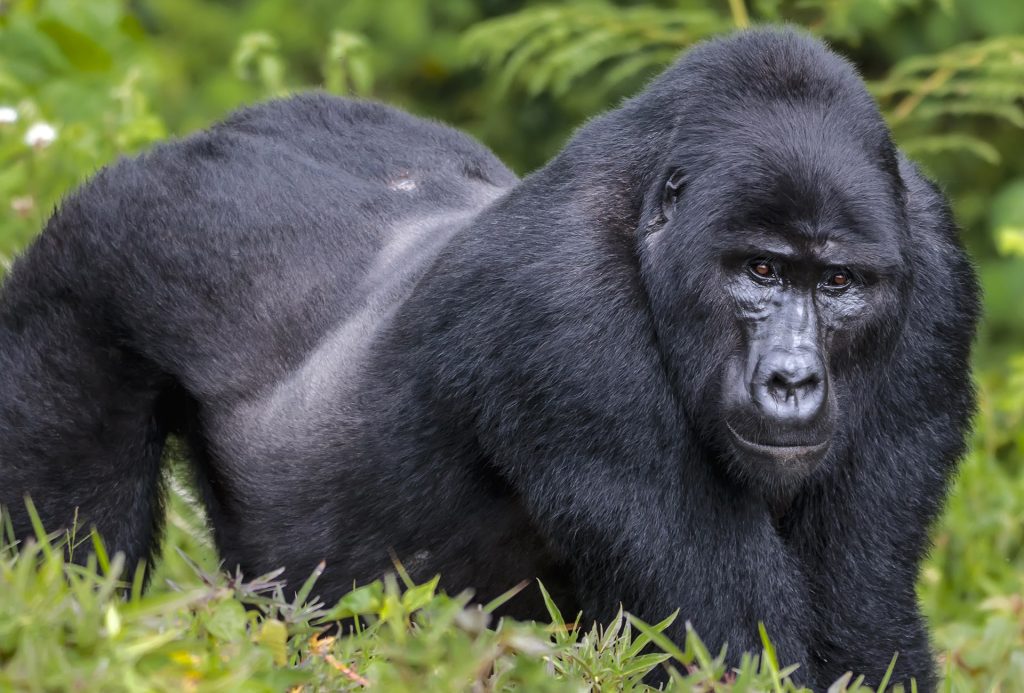
A visit can be combined with Volcanoes National Park for mountain gorilla and golden monkey experiences, Akagera National Park for classic savannah wildlife, or Lake Kivu for relaxation and lakeside scenery. Kigali’s cultural attractions can also be included at the beginning or end of a longer journey.
Whether you are tracking chimpanzees, crossing the canopy walkway, hiking to waterfalls or listening for rare forest birds, Nyungwe rewards travellers who appreciate nature at a slower pace. It is one of Rwanda’s most distinctive destinations and an essential stop for visitors interested in biodiversity, conservation and immersive rainforest experiences.
Main Attractions
01
Chimpanzees of Nyungwe: One of the park’s leading wildlife attractions, chimpanzee tracking offers the chance to observe eastern chimpanzees in their natural rainforest habitat with authorised guides and trackers.
02
Nyungwe Canopy Walkway: A suspended walkway above the forest canopy provides dramatic views of the treetops, mountain ridges and deep green valleys. It is one of the park’s most distinctive visitor experiences.
03
Angolan Black-and-White Colobus Monkeys: Nyungwe is known for its large troops of colobus monkeys, whose striking coats and energetic movements make them rewarding subjects for wildlife observation and photography.
04
Mount Bigugu: Rising to approximately 2,950 metres, Mount Bigugu is the highest point in the park. The surrounding trail offers a challenging forest hike and an opportunity to experience Nyungwe’s high-elevation environment.
05
Isumo Waterfall: A popular hiking destination, the Isumo Waterfall Trail passes through beautiful rainforest scenery and leads towards a waterfall surrounded by lush vegetation.
06
Kamiranzovu Swamp: This important wetland contributes to Nyungwe’s ecological diversity and water catchment functions. It offers a different landscape from the dense forest and is of interest to nature lovers and conservation enthusiasts.
07
Uwinka Visitor Centre: An important visitor access point for several hiking and forest experiences, including the canopy walkway. It is a useful starting point for visitors exploring Nyungwe’s trails with a guide.
08
Gisakura Forest Area: Located near tea plantations and the western side of the forest, Gisakura provides access to selected hikes, primate experiences and visitor facilities.
09
Albertine Rift Birdlife: Nyungwe supports a rich range of forest birds, including regional endemics such as the Ruwenzori turaco and other montane forest specialists. The variety of habitats makes it a major birdwatching destination.
10
Ancient Montane Rainforest: The park’s extensive forest is a major attraction in its own right, with moss-covered trees, orchids, ferns, dense undergrowth and misty mountain scenery.
11
Forest Streams and Waterfalls: Rainfall and steep terrain create streams and cascades throughout the forest. These waterways enhance the scenery and provide excellent opportunities for nature photography along authorised trails.
12
Primate Diversity: Beyond chimpanzees and colobus monkeys, Nyungwe supports several other primates, including L’Hoest’s monkeys, blue monkeys, red-tailed monkeys and grey-cheeked mangabeys.
13
Forest Butterflies and Smaller Wildlife: The forest is home to many butterflies, amphibians, reptiles and other small creatures that contribute to its exceptional biodiversity. Guided walks can help visitors notice species that might otherwise be overlooked.
14
Tea Plantations Around the Forest: The tea-growing landscapes near Nyungwe create a striking contrast with the natural rainforest and offer opportunities to learn about local agriculture and regional livelihoods.
15
UNESCO World Heritage Rainforest: Nyungwe’s 2023 inscription on the UNESCO World Heritage List recognises its outstanding natural value and strengthens its importance as a destination for conservation-focused tourism.
Things To Do
01
Chimpanzee Tracking: Join an authorised tracking excursion to search for chimpanzees in the forest. The trek can involve steep or muddy paths and variable walking times, so suitable fitness and footwear are important.
02
Chimpanzee Habituation Experience: Where available, spend extended time with authorised trackers learning about chimpanzee behaviour, identification and monitoring. This is a distinct activity from standard tracking and requires advance arrangements.
03
Canopy Walkway Experience: Walk above the rainforest canopy on a suspended bridge and enjoy elevated views of the forest and surrounding mountains. Follow guide instructions and consider your comfort with heights.
04
Colobus Monkey Tracking: Explore the forest with a guide to search for large troops of Angolan black-and-white colobus monkeys and learn about their behaviour and habitat.
05
Guided Forest Hiking: Choose from trails of different lengths and difficulty levels to experience the forest’s vegetation, streams, wildlife and mountain scenery.
06
Isumo Waterfall Hike: Follow a forest trail towards one of Nyungwe’s best-known waterfalls, enjoying dense vegetation and opportunities for nature photography along the route.
07
Mount Bigugu Trekking: Take on a more demanding hike towards the park’s highest point. This activity is best suited to visitors with suitable fitness, adequate time and appropriate guidance.
08
Birdwatching: Search for Albertine Rift endemics and other forest birds with a specialist guide who can help identify calls and locate birds in the canopy and undergrowth.
09
Nature Photography: Photograph the forest canopy, misty valleys, waterfalls, plants, butterflies, birds and primates. Waterproof protection is useful because of the humid rainforest conditions.
10
Kamiranzovu Swamp Exploration: Visit the wetland through authorised routes to learn about its habitats and role in the forest’s water catchment system.
11
Night Walks: Where currently offered, join a guided night excursion to look for nocturnal animals such as galagos and pottos and experience the forest’s nighttime sounds.
12
Forest Ecology and Conservation Learning: Discover how the rainforest supports biodiversity, regulates water and contributes to regional ecological health. Guides can explain conservation challenges and responsible visitor practices.
13
Tea Experiences: Explore the tea-growing landscapes around the park and, where available, learn about local tea production and its role in the regional economy.
14
Community and Cultural Visits: Arrange respectful experiences with local partners, which may include crafts, pottery, traditional dance, food or other cultural and livelihood activities.
15
Multi-Day Hiking and Forest Exploration: Spend additional time exploring different trails and habitats rather than limiting the visit to a single activity. Multi-day stays are particularly useful for hikers, birdwatchers and visitors interested in several primate experiences.
 gorilla, golden monkey, chimpanzee trekking, cultural & wildlife safari