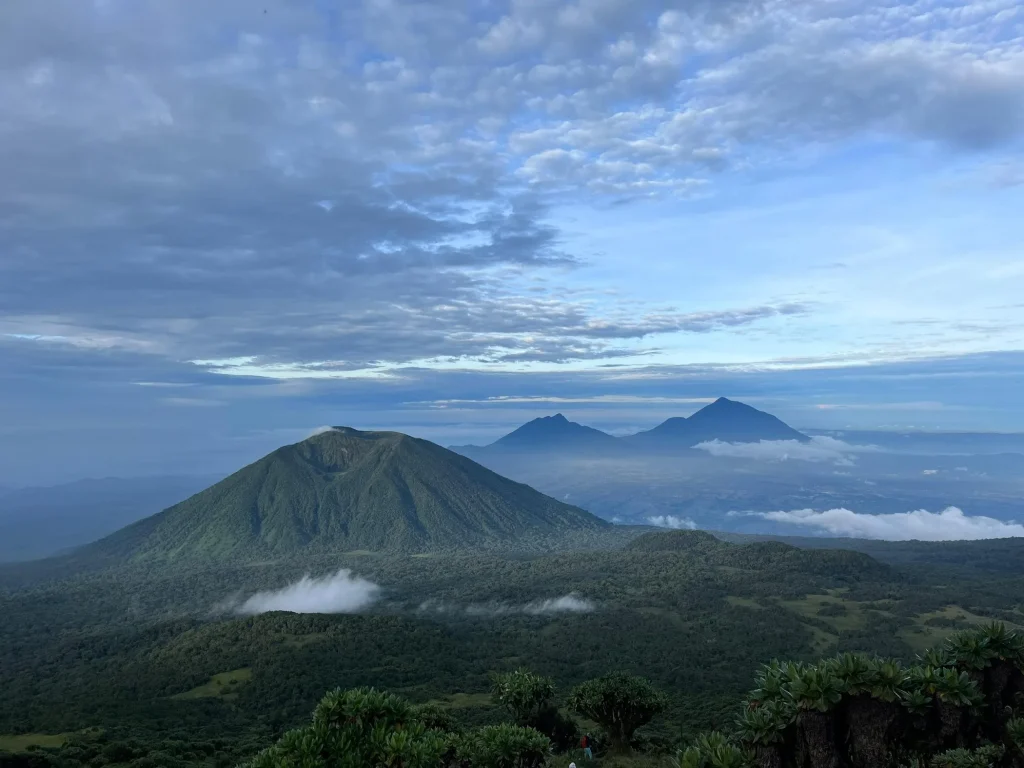
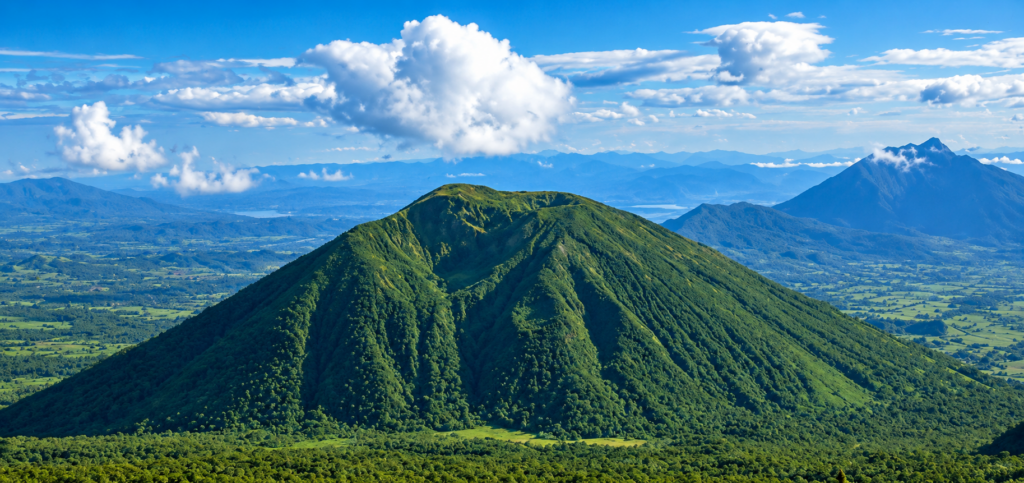
Gishwati-Mukura National Park is one of Rwanda’s most distinctive conservation destinations, offering an intimate rainforest experience away from the country’s busier safari routes. Located in the western part of Rwanda, along the biodiverse Congo-Nile Divide, the park protects two separate montane forest blocks: Gishwati Forest and Mukura Forest. Together, these forests form an important refuge for endangered primates, rare birds, indigenous trees and other wildlife associated with the Albertine Rift.
Unlike the vast savannah landscapes of Akagera National Park or the volcanic slopes of Volcanoes National Park, Gishwati-Mukura invites visitors into a quieter world of dense vegetation, bamboo stands, moss-covered branches, forest trails and rolling green hills. Its appeal lies in the richness of its natural environment and the remarkable story of restoration that has helped protect these threatened forest ecosystems.
The park was formally established in 2015 and gazetted in February 2016. Its creation brought two previously separate forest reserves under national park protection, strengthening efforts to restore degraded habitats and protect wildlife. Today, Gishwati-Mukura is an important destination for responsible ecotourism, conservation education, primate observation, birdwatching and guided nature walks.
For travellers seeking a less conventional Rwanda safari, the park offers an opportunity to explore the country’s forest biodiversity, learn about community-led conservation and discover a landscape where ecological recovery is an important part of the visitor experience.
Gishwati and Mukura: Two Forests, One Conservation Story
Gishwati-Mukura National Park consists of two forest areas separated by a landscape of farms, settlements and other land uses. Gishwati Forest is the larger of the two in some tourism descriptions, while Mukura Forest protects another valuable section of montane woodland. Both are important remnants of Rwanda’s once more extensive mountain forests.
Over many decades, settlement, agricultural expansion, livestock grazing, illegal mining and tree clearing placed severe pressure on these habitats. The resulting loss and fragmentation of forest reduced available space for wildlife and weakened the ecological connections that support healthy ecosystems.
Restoration and conservation programmes have helped protect remaining forest, improve management of surrounding land and support more sustainable relationships between communities and the environment. The park is therefore significant not only for the species it protects today, but also for what it represents: the possibility of restoring damaged landscapes through long-term conservation and community participation.
The wider Gishwati-Mukura landscape was designated a UNESCO Biosphere Reserve in 2020. This recognition reflects the importance of combining biodiversity protection with research, sustainable land use and local development.
Chimpanzee Tracking in Gishwati Forest
Chimpanzees are among the most important wildlife attractions associated with Gishwati-Mukura National Park. The forest provides habitat for eastern chimpanzees, intelligent and highly social primates whose behaviour offers fascinating insights into the complexity of life in tropical forests.
A guided chimpanzee-tracking experience, when available and authorised, takes visitors into the forest with knowledgeable guides and trackers. The search may involve following forest trails, listening for vocalisations, observing feeding signs and looking for movement in the canopy.
Chimpanzees can travel over considerable distances, and dense vegetation sometimes makes them difficult to see. Visitors should therefore approach the activity with patience and realistic expectations. If the animals are located, observation is conducted according to the applicable wildlife-viewing rules and guidance from the tracking team.
Compared with more established primate destinations, Gishwati-Mukura is a smaller and less widely visited protected area. Its chimpanzee experience is best suited to travellers interested in conservation, quieter forest exploration and the opportunity to discover a less familiar part of Rwanda’s natural heritage.
Chimpanzee tracking must be arranged in advance. Travellers should confirm whether permits are being issued, which forest sector is accessible, the departure point, the expected walking conditions and the current visitor rules before including the activity in an itinerary.
Discover Rwanda’s Remarkable Forest Primates
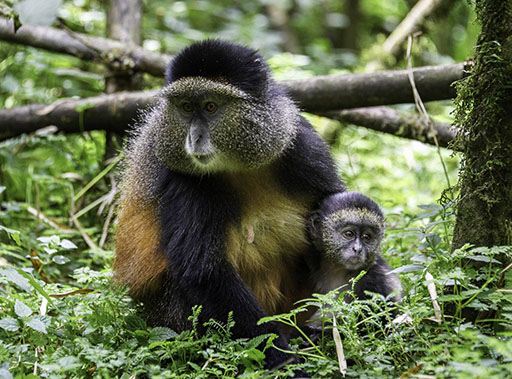
Although chimpanzees attract considerable attention, Gishwati-Mukura’s biodiversity extends to several other primate species. Depending on the forest sector and local wildlife movements, the park and its associated landscape support primates such as blue monkeys, L’Hoest’s monkeys, golden monkeys and other forest-dwelling monkeys.
Observing primates in montane rainforest is different from watching animals in open grassland. Monkeys may move quickly through the canopy, remain partly hidden behind leaves or disappear into dense vegetation. A guide’s ability to recognise calls, identify feeding signs and understand animal movement can make a considerable difference to the experience.
Primate observation also provides an opportunity to learn about the importance of connected forest habitat. Different species depend on suitable vegetation, food sources and safe movement through the landscape. Protecting remaining forest and restoring degraded areas helps maintain the conditions these animals need to survive.
Visitors should avoid calling to animals, feeding them or approaching too closely. Responsible observation helps minimise disturbance and supports the conservation goals that make Gishwati-Mukura important.
A Rewarding Destination for Birdwatching
Gishwati-Mukura is a valuable destination for birdwatchers, especially those interested in the distinctive species of the Albertine Rift. Its montane forests, bamboo vegetation, forest edges and varied elevations support a diverse bird community, including species of conservation interest.
Birdwatchers may look for the Ruwenzori turaco, Ruwenzori batis, red-throated alethe, handsome francolin, regal sunbird, purple-breasted sunbird and other forest-associated birds. The exact species encountered depend on the forest sector, habitat, season and the time spent observing.
The forest is particularly rewarding for visitors who enjoy listening for bird calls and patiently searching vegetation rather than expecting constant open views. A knowledgeable local guide can help identify calls, locate birds and explain how different species use the forest.
Early morning is often a productive time to explore forest habitats, although bird activity and visibility vary. Binoculars, a bird identification guide and a camera with a suitable lens can improve the experience.
Gishwati-Mukura also complements birdwatching elsewhere in Rwanda. Visitors can combine a visit with Nyungwe National Park or other destinations to explore a wider range of montane and forest bird habitats.
Explore the Indigenous Forest and Bamboo Vegetation
The forests of Gishwati-Mukura contain a mixture of indigenous trees, bamboo, ferns, mosses, climbers and other plants adapted to humid mountain conditions. These plants create layers of vegetation that provide food, shelter and movement routes for wildlife.
Walking through the forest reveals details that are easily missed from a vehicle: moss growing on tree trunks, delicate plants emerging from damp ground, vines winding between branches and the changing structure of vegetation as elevation and conditions shift.
Bamboo is an important part of the vegetation in parts of the landscape and contributes to the diversity of habitats. Indigenous trees also play essential roles in soil protection, carbon storage, water regulation and the wider health of the forest ecosystem.
A guided botanical walk can help visitors recognise some of the park’s plant communities and understand why the protection of native vegetation matters. These walks are particularly appealing to photographers, students, conservation enthusiasts and travellers who appreciate nature beyond large-animal sightings.
Guided Nature Walks and Forest Hiking
Guided nature walks are among the most accessible ways to experience Gishwati-Mukura. Walking through the forest allows visitors to appreciate the park’s atmosphere, vegetation and wildlife at a slower pace while learning about conservation and the ecological relationships that sustain the area.
Routes may pass through dense forest, bamboo patches, forest edges and areas undergoing ecological recovery. Along the way, visitors may encounter birds, butterflies, monkeys, unusual plants and signs of other wildlife. Sightings vary, and the guide’s knowledge is important for interpreting what is seen and heard.
The terrain can be uneven, steep or slippery, particularly after rainfall. Comfortable hiking shoes, long trousers, drinking water and waterproof clothing are recommended. Visitors should choose a walk suited to their fitness and follow the guide’s advice on trail conditions.
Because access and available routes can change, travellers should confirm which trails are currently open and how long the walk is expected to take. Guided walks should be arranged through authorised park or conservation partners.
Butterfly Watching and the Smaller Wonders of the Forest
The forest’s biodiversity is not limited to birds and mammals. Butterflies, insects, amphibians and other smaller organisms play important roles in pollination, decomposition, food webs and ecosystem health.
Butterfly watching offers a different way to appreciate Gishwati-Mukura. Visitors may observe butterflies along forest edges, in clearings or around areas where sunlight reaches the vegetation. Their presence and activity depend on weather, season, habitat and the availability of suitable plants.
A slow walk with a knowledgeable guide can reveal the variety of life that is often overlooked during a typical wildlife excursion. Visitors may also learn how forest conditions influence insects and other small animals, and why protecting entire ecosystems is more effective than focusing only on a few well-known species.
Nature photography is especially rewarding here, although macro photography can require patience and suitable equipment. Visitors should avoid capturing or handling wildlife in ways that could cause harm.
The Congo-Nile Divide and the Importance of Water
Gishwati-Mukura lies along the Congo-Nile Divide, a major watershed landscape that separates drainage systems associated with the Congo and Nile river basins. Its forested slopes play an important role in regulating water flow, protecting soils and supporting the surrounding landscape.
Healthy forests intercept rainfall, help maintain soil structure and reduce erosion. Their roots and vegetation also influence how water moves through the ground and into streams. These functions are particularly important in hilly terrain where land clearing can increase erosion and affect downstream water quality.
The park’s conservation value therefore extends beyond its wildlife. Protecting the forest supports wider ecological processes and contributes to the resilience of communities and agricultural areas around it.
Visitors interested in environmental conservation can learn how forest restoration, sustainable farming practices and community participation work together to improve the health of the landscape.
Forest Restoration and Community Conservation
One of the most compelling reasons to visit Gishwati-Mukura is its conservation story. The forests suffered extensive degradation due to human pressures, including agricultural expansion, settlement, grazing and illegal resource extraction. Restoration programmes have since focused on protecting remaining natural forest, rehabilitating degraded areas and improving land management in the surrounding landscape.
The Forest of Hope Association has played an important role in conservation and community engagement in the Gishwati area. Initiatives have included environmental education, forest monitoring, research support, restoration work and activities that help local residents understand the value of protecting the forest.
Tourism can contribute to these efforts when it supports local guides, community-based services, conservation initiatives and responsible accommodation. Visitors may be able to learn about tree nurseries, restoration activities or conservation education through approved programmes, subject to current availability.
These experiences help visitors understand that protecting a forest requires more than drawing a boundary around it. It also involves building local partnerships, creating sustainable livelihood opportunities and addressing the pressures that can lead to habitat loss.
UNESCO Biosphere Reserve Recognition
The wider Gishwati-Mukura landscape was designated a UNESCO Biosphere Reserve in October 2020. Biosphere reserves promote the conservation of biodiversity while encouraging research, education and sustainable relationships between people and the environment.
This designation recognises the wider landscape rather than serving as a replacement for the park’s national protected-area status. It highlights the relationship between natural forest, surrounding agricultural land and the communities whose livelihoods are connected to the area.
For visitors, this context adds meaning to a forest excursion. A walk in Gishwati-Mukura is not only an opportunity to see wildlife, but also a chance to understand how conservation, ecological restoration and sustainable development can be pursued together.
The park’s restoration story makes it especially interesting for students, researchers, photographers and travellers who want to learn about conservation in practice.
Cultural and Community Experiences Around the Park
The communities surrounding Gishwati-Mukura have strong connections to the landscape through farming, livestock keeping, crafts, food production and other rural livelihoods. Community experiences, when arranged through appropriate local partners, can help visitors understand daily life in western Rwanda and the importance of sustainable resource management.
Depending on what is currently available, visitors may be able to learn about traditional agricultural practices, local food, beekeeping, conservation education or community initiatives linked to the forest. These experiences provide a valuable complement to wildlife observation and can help tourism benefits reach local residents.
Visitors should approach cultural experiences respectfully, follow their hosts’ guidance and ask permission before photographing people or private property. Activities should be arranged with the participation and consent of the communities involved.
Why Include Gishwati-Mukura in Your Rwanda Safari?
Gishwati-Mukura offers a distinctive experience for travellers who want to discover a quieter and less familiar side of Rwanda. Its appeal lies in the combination of forest biodiversity, primate habitats, birdwatching, guided walks and a powerful story of ecological restoration.
It is particularly suitable for visitors interested in conservation, nature photography, forest ecology and community-based tourism. Rather than focusing exclusively on large-animal sightings, the park encourages a closer look at the plants, birds, primates and environmental processes that sustain a montane rainforest.
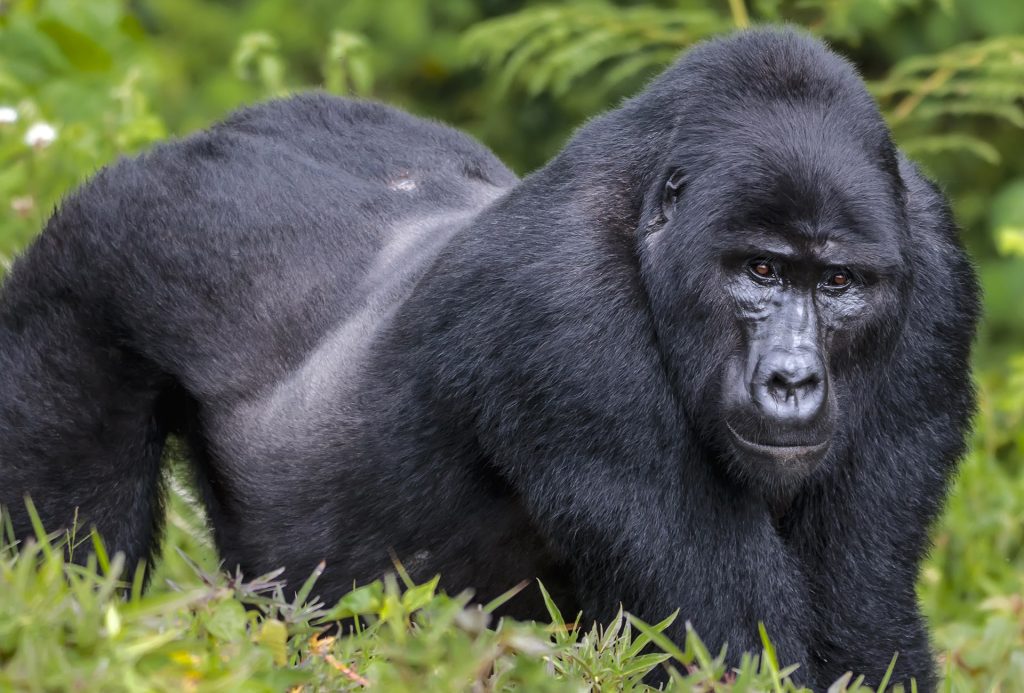
A visit can complement chimpanzee tracking in Nyungwe, mountain gorilla trekking in Volcanoes National Park or a savannah safari in Akagera. Combining these destinations can provide a broader picture of Rwanda’s extraordinary range of landscapes and wildlife.
For travellers willing to explore beyond the country’s best-known attractions, Gishwati-Mukura offers a meaningful forest experience and an opportunity to learn how conservation and community partnerships are helping protect one of Rwanda’s important natural landscapes.
Main Attractions
01
Gishwati Forest: One of the park’s two principal forest blocks, Gishwati is known for its montane vegetation, primate habitat, birdlife and ongoing conservation and restoration work.
02
Mukura Forest: The second principal forest block protects another important remnant of Rwanda’s montane forest ecosystem. Its conservation value is linked to native vegetation, wildlife habitat and the wider Congo-Nile Divide landscape.
03
Chimpanzee Habitat: Gishwati-Mukura is recognised for its eastern chimpanzees. Authorised tracking may provide opportunities to observe these highly social primates, subject to current activity availability and wildlife-viewing rules.
04
Golden Monkeys and Other Primates: The wider park landscape is associated with several primate species, including golden monkeys, blue monkeys and L’Hoest’s monkeys. Sightings depend on the forest sector and current wildlife movements.
05
Angolan Black-and-White Colobus Monkeys: These striking monkeys are among the forest’s notable primates, adding to the diversity of wildlife that visitors may encounter during guided walks.
06
Albertine Rift Birdlife: The forest supports a rich bird community, including regional species such as the Ruwenzori turaco, Ruwenzori batis, red-throated alethe and various sunbirds and forest specialists.
07
Indigenous Trees and Bamboo Forest: Native hardwoods, bamboo, ferns, mosses and other plants create a complex forest habitat that supports wildlife and contributes to the health of the surrounding landscape.
08
Montane Rainforest Trails: Guided walks provide opportunities to experience the forest’s vegetation, sounds, changing elevations and small wildlife while learning about the ecosystem.
09
Butterflies and Forest Invertebrates: The forest’s humid conditions and diverse vegetation support butterflies and other invertebrates that contribute to pollination and ecological processes.
10
Congo-Nile Divide Landscape: The park lies in an important watershed region separating drainage systems associated with the Congo and Nile basins. Its forest cover helps protect soils and regulate water.
11
Forest Restoration Areas: Conservation and restoration work is a major part of the park’s identity. Visitors may learn about habitat rehabilitation, forest protection and the long-term work needed to restore degraded landscapes.
12
UNESCO Biosphere Reserve Landscape: The wider Gishwati-Mukura landscape was designated a UNESCO Biosphere Reserve in 2020, reflecting the importance of balancing biodiversity conservation with research and sustainable development.
13
Forest of Hope Conservation Initiative: The Forest of Hope Association has contributed to forest protection, environmental education and community engagement in the Gishwati area. Experiences and visitor access should be confirmed before travel.
14
Community Conservation Experiences: Local initiatives around the park can provide insight into rural livelihoods, sustainable land use and the relationship between community development and forest protection.
15
Western Rwanda Countryside: The park’s setting among green hills, farms and rural communities offers a scenic contrast to Rwanda’s cities and provides opportunities to combine forest exploration with a wider regional itinerary.
Things To Do
01
Chimpanzee Tracking: Where currently available, join an authorised tracking experience to search for eastern chimpanzees with trained guides and trackers. Confirm permits, access and visitor conditions before booking.
02
Primate Observation: Explore forest habitats with a guide to look for monkeys and learn about their behaviour, feeding patterns and importance to forest ecology.
03
Guided Nature Walks: Walk through montane forest, bamboo vegetation and forest edges while discovering plants, birds, butterflies and signs of wildlife.
04
Birdwatching: Search for Albertine Rift species and other forest birds with a knowledgeable guide. Binoculars and patience are useful in dense vegetation.
05
Forest Photography: Photograph the forest canopy, native plants, moss-covered trunks, birds, butterflies and primates while respecting wildlife distances and trail rules.
06
Botanical Exploration: Learn about indigenous trees, bamboo, ferns, climbers and other plants that form the forest ecosystem and support its wildlife.
07
Butterfly Watching: Observe butterflies and other small creatures along forest trails and clearings, discovering the lesser-known biodiversity of the park.
08
Conservation Learning: Learn about forest restoration, wildlife monitoring, watershed protection and the management challenges associated with conserving fragmented forest habitats.
09
Community-Based Experiences: Where available, visit local initiatives or meet community partners to learn about livelihoods, sustainable land use and conservation activities.
10
Environmental Education: Explore the relationship between forests, rainfall, soils, biodiversity and human wellbeing through guided interpretation and approved educational programmes.
11
Forest Restoration Experiences: If offered by local conservation partners, learn about indigenous tree nurseries, restoration work and other initiatives aimed at improving forest health.
12
Guided Rural Walks: Discover the countryside around the park with local guides, subject to access arrangements and the availability of community-based experiences.
13
Nature Observation: Take time to listen for bird calls, watch canopy movement and notice animal tracks, insects and other signs of forest life that are often missed on a faster excursion.
14
Research and Conservation Visits: Where arranged and authorised, learn about biodiversity monitoring and conservation research that supports the long-term protection of the forest.
15
Multi-Destination Ecotourism: Combine Gishwati-Mukura with other destinations in western Rwanda, such as Lake Kivu, Nyungwe National Park or Volcanoes National Park, to experience a wider variety of landscapes and wildlife.
 gorilla, golden monkey, chimpanzee trekking, cultural & wildlife safari