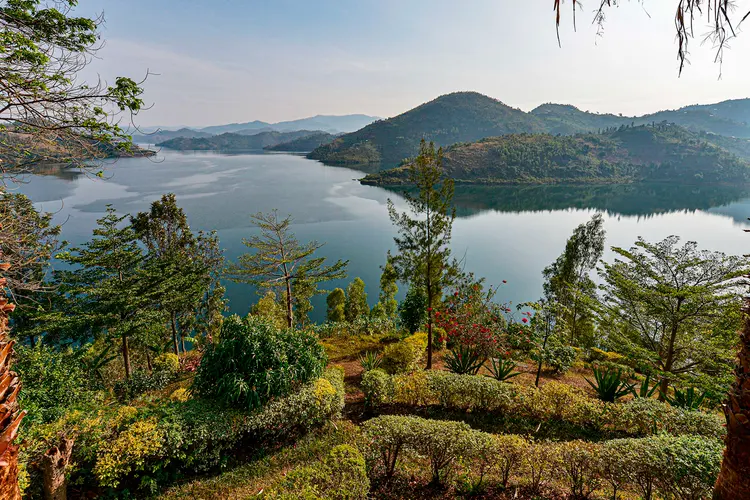
Lake Kivu is one of Rwanda’s most captivating natural destinations, offering a remarkable combination of emerald-green waters, rolling hills, peaceful islands, sandy beaches and vibrant lakeside communities. Located in western Rwanda along the border with the Democratic Republic of the Congo, this magnificent freshwater lake forms part of the Great Rift Valley and is one of the country’s most attractive places for relaxation, adventure, photography and cultural discovery.
Covering approximately 2,700 square kilometres, Lake Kivu is Rwanda’s largest lake and one of Africa’s most remarkable freshwater bodies. Its irregular shoreline winds between steep green hills, terraced farmland, fishing villages and small islands, creating breathtaking scenery in almost every direction. The surrounding landscape changes from lively resort towns and waterfront promenades to quiet rural settlements where traditional fishing practices and community life remain central to the local economy.
Whether you are looking for a peaceful retreat after gorilla trekking, a scenic stop during a Rwanda safari, or an active holiday filled with kayaking, island excursions and countryside hiking, Lake Kivu offers experiences for a wide range of travellers.
Discover the Beauty of Lake Kivu
Lake Kivu is celebrated for its deep blue-green water, mountain scenery and tranquil atmosphere. The lake’s shoreline offers constantly changing views, with forested hills rising above the water and small islands scattered across the horizon.
Early mornings are particularly beautiful, when mist sometimes settles over the hills and fishing boats begin moving across the lake. In the evening, the setting sun illuminates the water with shades of gold, orange and pink, creating excellent opportunities for photography and quiet relaxation.
The lake is also an important part of Rwanda’s natural and economic landscape. It supports fishing communities, provides transport routes, contributes to local livelihoods and forms an important setting for tourism development in the western part of the country.
Explore Rubavu, Karongi and Rusizi
Lake Kivu stretches along western Rwanda, with three of its best-known lakeside destinations offering distinct experiences.
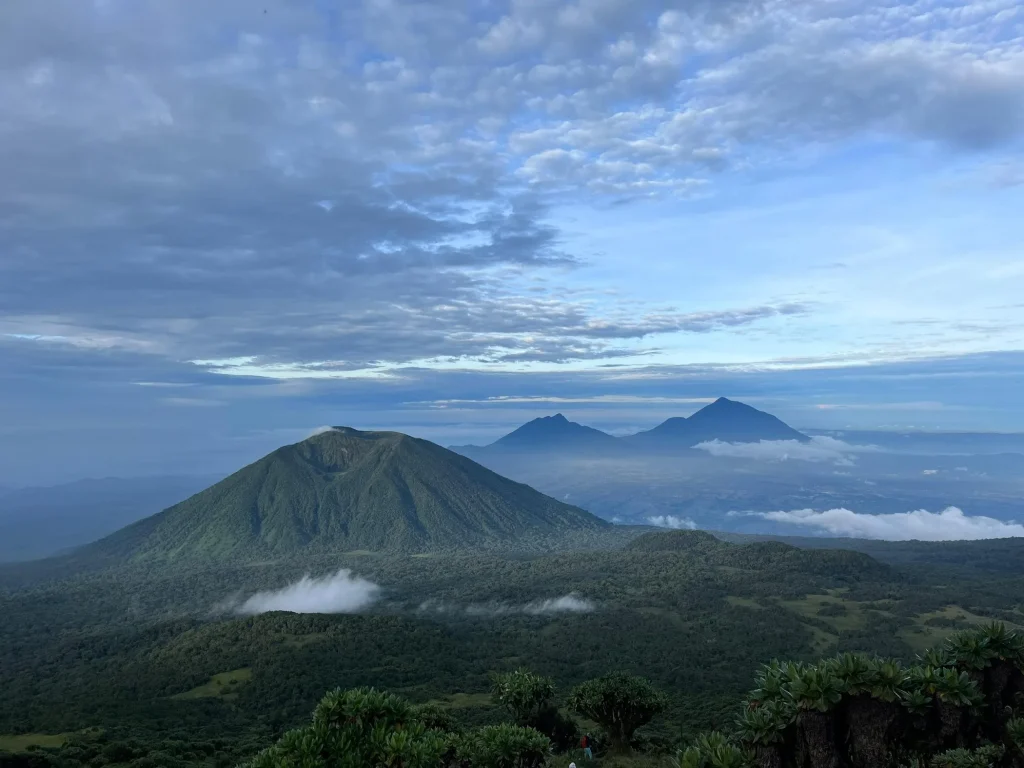
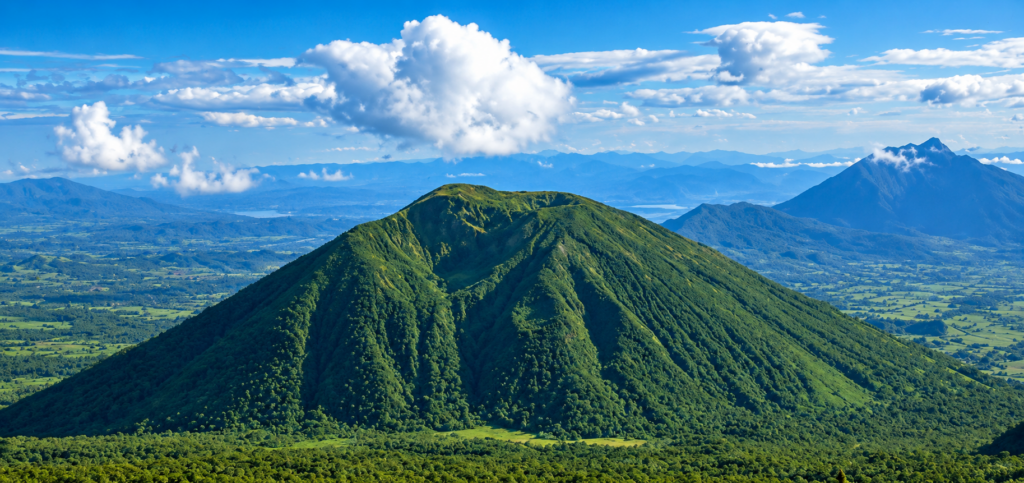
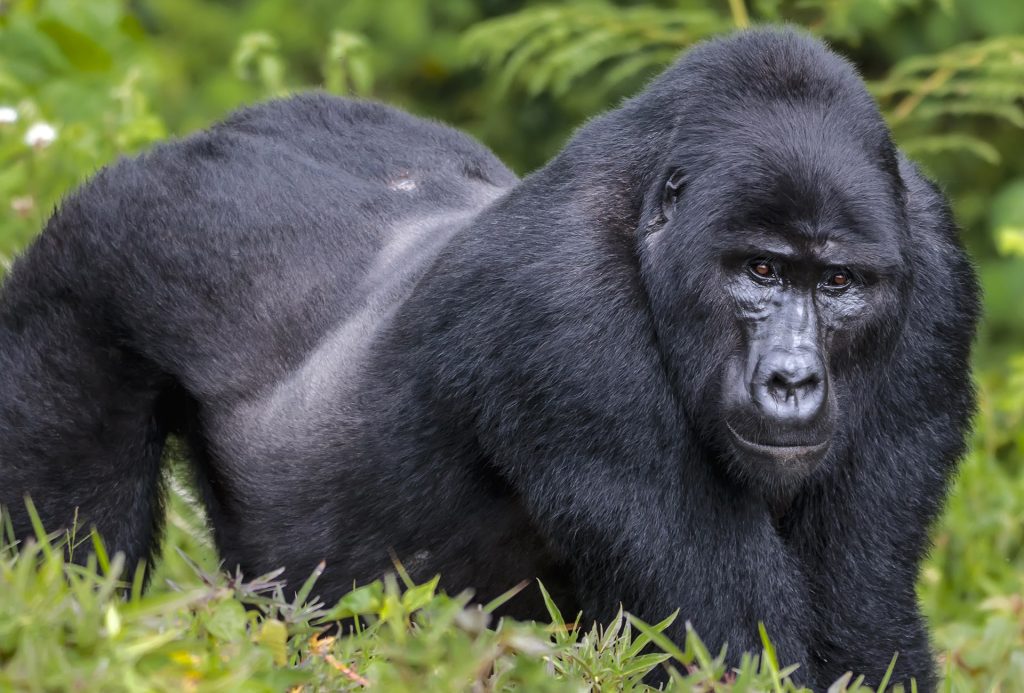
Rubavu, formerly known as Gisenyi, lies at the northern end of the lake. It is known for its beaches, waterfront hotels, restaurants, promenade and relaxed resort atmosphere. Its location also makes it a convenient place to unwind after gorilla trekking in Volcanoes National Park.
Karongi, also known as Kibuye, is famous for its picturesque setting among green hills, small islands and sheltered bays. It is an excellent destination for boat excursions, lakeside relaxation, scenic photography and community-based tourism.
Rusizi, formerly associated with Cyangugu, lies in the southern part of the lake near the border with the Democratic Republic of the Congo. It is a useful base for visitors exploring the southern Lake Kivu region and nearby Nyungwe National Park.
Together, these towns make it possible to experience different sides of the lake, from lively beach settings to quieter landscapes and rural lakeside communities.
Discover the Islands of Lake Kivu
The islands are among Lake Kivu’s most distinctive attractions. They vary in size, vegetation and character, with some supporting local communities and others providing quieter natural settings for excursions and wildlife observation.
Boat trips from areas such as Karongi and Rubavu can introduce visitors to selected islands, scenic bays and sections of the shoreline that are difficult to appreciate from the road.
Notable island destinations and experiences include Napoleon Island near Karongi, known for its fruit bats and panoramic views, and Amahoro Island, often associated with peaceful island visits. Nkombo Island, in the southern part of the lake, is notable for its inhabited communities and distinctive island life.
Island visits should be arranged with knowledgeable local operators. Access, landing permissions, wildlife sightings and the activities available can vary between islands and according to local conditions.
Enjoy Beaches and Lakeside Relaxation
Lake Kivu provides a refreshing change of pace from Rwanda’s mountain forests and wildlife destinations. Its lakeside beaches and resort areas invite visitors to slow down, enjoy the scenery and spend time beside the water.
In Rubavu, visitors can stroll along the waterfront, relax at suitable beach areas, enjoy a meal overlooking the lake or watch boats moving across the water. Karongi offers a quieter atmosphere, with beautiful views across the islands and hills.
Swimming is available at suitable locations, but visitors should follow local guidance, use designated or recommended areas and respect boat traffic and weather conditions. Life jackets and other appropriate safety equipment should be used for water-based activities where required.
Experience Boat Cruises and Island Excursions
A boat trip is one of the most rewarding ways to explore Lake Kivu. From the water, visitors can appreciate the scale of the lake, the dramatic hillsides, secluded bays, fishing settlements and the islands that dot its surface.
Depending on the route and operator, excursions may include sightseeing, island visits, birdwatching and opportunities to observe local fishing activities. Private boat trips can also provide flexibility for photography, romantic outings or small-group experiences.
Sunset cruises are particularly appealing because of the changing colours across the lake and the silhouettes of distant hills. Before departure, confirm the route, duration, safety equipment, weather conditions and any island landing arrangements with your operator.
Kayaking and Other Water Activities
Lake Kivu is a popular setting for kayaking and guided paddling experiences. Exploring the shoreline by kayak allows visitors to appreciate the lake at a slower pace, passing small bays, green slopes and lakeside settlements.
Other activities may include stand-up paddleboarding and selected motorised water sports, depending on the location and service provider. Availability varies, so visitors should confirm which activities are operating during their stay.
For a more relaxed experience, a short guided paddle or boat excursion may be sufficient. More adventurous travellers can arrange longer outings, provided their experience, fitness and the weather are appropriate.
Discover Rwanda’s Traditional Fishing Culture
Fishing is an important part of life around Lake Kivu. Local fishing communities depend on the lake for food and livelihoods, and traditional fishing practices remain an important element of the region’s cultural identity.
One memorable sight is the coordinated movement of traditional fishing boats, particularly during evening and early-morning fishing activities. Some groups use several boats working together, accompanied by distinctive songs and rhythms that carry across the water.
Visitors may be able to arrange a guided fishing-culture experience with local operators. These visits provide an opportunity to learn about fishing techniques, local livelihoods and the relationship between communities and the lake. Participation should always be organised respectfully and should not interfere with working fishing crews.
Walk or Cycle the Congo Nile Trail
For travellers who want to explore beyond the shoreline, the Congo Nile Trail offers an outstanding way to experience Rwanda’s western countryside. The trail extends for approximately 227 kilometres along the eastern side of Lake Kivu, connecting lakeside communities, rural roads, hills and panoramic viewpoints.
Depending on the chosen section, visitors can walk or cycle past terraced fields, banana plantations, coffee-growing areas, small villages and spectacular lake views. The route offers a closer look at everyday rural life than a conventional road transfer.
Travellers can choose a single section for a half-day or full-day outing, or arrange a multi-day hiking or cycling journey. Longer routes require advance planning for accommodation, water, meals, guides, transport and luggage support.
Explore Coffee, Tea and Local Communities
The hills surrounding Lake Kivu support agriculture, including coffee and tea production in different parts of the region. Coffee experiences can introduce visitors to the journey from coffee cherries to processed beans and the final cup, while selected tea-growing areas offer insight into Rwanda’s agricultural traditions.
Community-based visits may also include local markets, village walks, traditional food, crafts and conversations with residents. These experiences can help travellers understand the region’s history, livelihoods and changing relationship with tourism.
Choose locally guided experiences that respect community preferences and provide fair benefits to the people involved. Activities and visits should be arranged in advance where possible.
Birdwatching and Nature Photography
Lake Kivu’s combination of open water, islands, wetlands, cultivated hills and wooded shorelines provides opportunities to observe birds and photograph varied landscapes. Depending on the location and season, visitors may see kingfishers, cormorants and other water-associated birds, along with species found in surrounding vegetation and farmland.
Birdwatching is especially rewarding during quieter boat excursions and walks along less-developed sections of the shoreline. A pair of binoculars and a camera with a suitable zoom lens can enhance the experience.
Wildlife sightings are never guaranteed, and bird diversity varies by habitat and season. Visitors should avoid disturbing nesting birds or approaching wildlife too closely.
Enjoy Sunrise and Sunset Photography
The changing light across Lake Kivu makes it a rewarding destination for landscape photography. Sunrise can bring soft colours, reflections and mist over distant hills, while sunset creates dramatic silhouettes of boats and islands.
Photographers can capture panoramic lake views, fishing boats, terraced slopes, waterfront life and the contrast between green hills and deep water. Karongi is particularly attractive for island and hillside compositions, while Rubavu offers waterfront scenes and beach views.
For the best results, allow time for more than one viewpoint and ask local guides about safe, accessible locations. Weather and cloud cover can transform the scenery throughout the day.
Combine Lake Kivu with Rwanda’s National Parks
One of Lake Kivu’s greatest advantages is its position within a wider network of Rwanda’s tourism destinations.
Rubavu is a convenient place to relax before or after a visit to Volcanoes National Park, known for mountain gorilla trekking and golden monkey tracking. The southern lakeshore provides access to the wider Rusizi region and onward journeys to Nyungwe National Park, famous for rainforest biodiversity, chimpanzee tracking and its canopy walkway.
Lake Kivu can therefore form part of a broader itinerary combining wildlife, forests, culture and lakeside relaxation. Travellers can spend a few nights by the water to recover between active safari days or use the Congo Nile Trail to explore the region more slowly.
Taste Local Food and Lakeside Hospitality
The Lake Kivu region offers opportunities to enjoy Rwandan cuisine in lakeside restaurants, hotels and local eateries. Depending on the establishment, menus may include freshly prepared fish, grilled dishes, plantains, beans, potatoes, seasonal vegetables and other familiar Rwandan foods.
Dining beside the lake adds to the experience, particularly in the evening when the water and surrounding hills become quieter. Visitors can also explore local cafés and coffee experiences in towns along the shore.
Food availability and special menus vary by location. Travellers with dietary requirements should communicate these to their accommodation or restaurant before ordering.
Responsible Tourism and Lake Conservation
Lake Kivu is a valuable natural resource that supports communities, tourism, fishing, transport and local development. Responsible travel helps protect the lake and ensures that tourism contributes positively to the people who live along its shores.
Visitors can support local guides and businesses, reduce plastic waste, avoid littering, respect fishing communities and follow local guidance during island visits. Water activities should be undertaken with appropriate safety equipment and reputable operators.
Lake Kivu also contains naturally occurring methane and carbon dioxide in its deeper waters. These gases are relevant to the lake’s environmental management and energy production. Visitors should follow official guidance and avoid entering restricted industrial or gas-extraction areas.
With its exceptional scenery, welcoming communities and variety of experiences, Lake Kivu is much more than a place to relax by the water. It is a destination where nature, culture, adventure and everyday Rwandan life come together, making it a rewarding addition to almost any Rwanda itinerary.
Main Attractions
01
Lake Kivu shoreline: Expansive views of deep blue-green water, green hills, bays and lakeside settlements.
02
Rubavu (Gisenyi): A lively lakeside resort town with beaches, hotels, restaurants and a waterfront promenade.
03
Karongi (Kibuye): A scenic lakeside town surrounded by hills, bays and picturesque islands.
04
Rusizi (Cyangugu): A southern gateway to Lake Kivu and the wider Nyungwe region.
05
Napoleon Island: An island near Karongi known for fruit bats and panoramic lake views.
06
Amahoro Island: A destination associated with peaceful island excursions and lake scenery.
07
Nkombo Island: An inhabited island known for community life and its distinctive lakeside setting.
08
Lake Kivu beaches: Areas for lakeside relaxation and suitable water-based recreation.
09
Congo Nile Trail: A scenic route of approximately 227 kilometres along the eastern side of Lake Kivu, suitable for hiking and cycling.
10
Traditional fishing communities: Opportunities to learn about fishing practices and the livelihoods supported by the lake.
11
Lakeside viewpoints: Panoramic locations for photography, picnics and sunset viewing.
12
Coffee-growing areas: Opportunities to learn about coffee production and local agricultural livelihoods.
13
Tea-growing landscapes: Selected highland areas around the wider region offer scenic agricultural landscapes and tea-related experiences.
14
Lake Kivu birdlife: Water-associated and lakeshore birds that can be observed on suitable boat excursions and nature walks.
15
Nearby Volcanoes National Park: A major regional attraction for visitors combining lakeside relaxation with mountain gorilla trekking and other forest experiences.
16
Nearby Nyungwe National Park: A rainforest destination accessible from the southern Lake Kivu region, offering chimpanzee tracking, birdwatching and forest activities.
Things To Do
01
Take a guided boat cruise across Lake Kivu.
02
Visit selected islands and sheltered bays.
03
Enjoy sunset boat trips and lakeside photography.
04
Relax on suitable beaches and at waterfront resorts.
05
Swim in recommended areas while following local safety guidance.
06
Experience kayaking and guided paddling.
07
Try stand-up paddleboarding where available.
08
Join selected motorised water sports with qualified operators.
09
Observe traditional fishing activities with a local guide.
10
Arrange a community-based cultural experience.
11
Hike selected sections of the Congo Nile Trail.
12
Cycle lakeside roads and rural trails.
13
Explore local coffee experiences and agricultural landscapes.
14
Enjoy birdwatching and nature photography.
15
Visit local markets and sample Rwandan food.
16
Take scenic drives between Rubavu, Karongi and Rusizi.
17
Enjoy lakeside dining and relaxation.
18
Combine a Lake Kivu stay with gorilla trekking in Volcanoes National Park.
19
Combine the southern lakeshore with chimpanzee tracking and rainforest exploration in Nyungwe National Park.
20
Arrange multi-day hiking or cycling experiences along the Congo Nile Trail.
 gorilla, golden monkey, chimpanzee trekking, cultural & wildlife safari