Zanzibar is one of East Africa’s most captivating island destinations, combining beautiful Indian Ocean beaches, rich Swahili heritage, aromatic spice plantations, colourful markets and unforgettable marine experiences. Located off the coast of mainland Tanzania, this tropical archipelago is an excellent destination for travellers seeking relaxation, cultural discovery, adventure and romantic island escapes.
The island most commonly referred to as Zanzibar is Unguja, the archipelago’s largest island. Its historic capital, Zanzibar City, is home to Stone Town, a remarkable old town recognised as a UNESCO World Heritage Site for its distinctive architecture, cultural diversity and history as a major trading centre along the East African coast.
From the narrow streets and intricately carved doors of Stone Town to the white-sand beaches of the northern and eastern coasts, Zanzibar offers an extraordinary variety of experiences. Visitors can explore historic buildings, learn about the island’s spice trade, discover local cuisine, take boat trips to offshore islands, snorkel among coral reefs and encounter rare wildlife in protected forest habitats.
Whether you are planning a relaxing beach holiday, a cultural city break, a honeymoon, a family vacation or an extension to a Tanzania wildlife safari, Zanzibar offers a memorable combination of history, nature and tropical scenery.
Stone Town: The Historic Heart of Zanzibar
Stone Town is the cultural and historical centre of Zanzibar. Its maze of narrow streets, old merchant houses, carved wooden doors, mosques, churches and historic public buildings reflects centuries of interaction between African, Arab, Indian and European communities.
The town developed through Indian Ocean trade, which connected the East African coast with the Arabian Peninsula, India and other parts of the world. These connections influenced its architecture, food, language, religion and everyday cultural life.
Walking through Stone Town is one of the best ways to experience its character. Visitors can discover small shops, local cafés, historic courtyards, bustling markets and buildings that reveal different periods of the island’s past.
Stone Town was inscribed on the UNESCO World Heritage List in 2000. Its heritage is not limited to individual monuments: the narrow street pattern, traditional buildings, commercial areas and relationship with the waterfront all contribute to its outstanding cultural significance.
A guided walking tour is recommended for travellers who want to understand the history behind the architecture and learn about the people who shaped Zanzibar.
Zanzibar’s Famous Carved Doors and Swahili Architecture
One of the most distinctive features of Stone Town is its elaborate wooden doors. Many historic houses have impressive entrances decorated with intricate carvings, geometric patterns and ornamental details.
These doors reflect the island’s cultural connections and the status of the families and merchants who commissioned them. Architectural influences associated with Swahili, Arab and Indian traditions can be seen in different buildings throughout the old town.
Traditional houses may also feature internal courtyards, shaded verandas, narrow corridors and thick walls designed to suit the tropical climate.
For architecture enthusiasts and photographers, exploring Stone Town’s streets provides countless opportunities to appreciate craftsmanship and historic urban design. Visitors should remember that many buildings remain private homes or working businesses, so photography should be respectful and permission sought when appropriate.
The Old Fort of Zanzibar
The Old Fort, also known as Ngome Kongwe, is one of Stone Town’s most recognisable landmarks. Built by Omani rulers in the late seventeenth century, it reflects Zanzibar’s strategic importance along the Indian Ocean trading routes.
Its thick stone walls and enclosed courtyard provide a glimpse into the island’s defensive history. Today, the fort is associated with cultural activities, events, arts and visitor experiences.
The Old Fort is conveniently located near the waterfront and other historic attractions, making it a useful stop on a walking tour of Stone Town.
Visitors should check which areas, exhibitions and events are accessible during their visit, as activities and opening arrangements can change.
The House of Wonders and the Palace Museum
The House of Wonders, known locally as Beit-al-Ajaib, is one of Stone Town’s best-known historic buildings. Constructed in the nineteenth century during the reign of Sultan Barghash, it became famous for its grand architecture and association with technological and ceremonial developments in Zanzibar.
The nearby Palace Museum, also known as the Sultan’s Palace or Beit el-Sahel, offers insight into the lives of Zanzibar’s former ruling family and the island’s royal history.
Together, these sites help visitors understand the political, cultural and commercial importance of Zanzibar during the era of the sultanate.
Visitor note: Access to heritage buildings can change because of restoration work and conservation requirements. Confirm current opening status before planning a visit to the House of Wonders or other historic properties.
The Former Slave Market and Christ Church Cathedral
Zanzibar’s history includes an important and painful chapter associated with the Indian Ocean slave trade. During the nineteenth century, the island became a major centre for slave trading and related commercial networks in East Africa.
The former slave market site in Stone Town is now associated with Christ Church Anglican Cathedral and a memorial that commemorates those who suffered under slavery. The site provides an opportunity to learn about the experiences of enslaved people, the commercial systems that supported the trade and the campaigns that contributed to its abolition.
A visit is an important part of understanding Zanzibar’s history beyond its beaches and trading heritage. The experience can be moving, and visitors should approach the site with sensitivity and respect.
Guided visits can help explain the historical context, including the role of abolitionists and the continuing importance of remembering this period.
Forodhani Gardens and Zanzibar’s Street Food Culture
Forodhani Gardens is a waterfront public space in Stone Town that becomes particularly lively in the evening. Food vendors often gather here to offer a variety of local and regional dishes, creating a colourful atmosphere overlooking the Indian Ocean.
Visitors may find Zanzibar pizza, grilled seafood, mishkaki, cassava, sugarcane juice and other local specialities, depending on the vendors and season.
The food scene reflects the island’s Swahili heritage and the long-standing connections between African, Arab, Indian and other culinary traditions. Spices, coconut, seafood and fresh tropical ingredients feature prominently in many dishes.
A visit to Forodhani is a good opportunity to sample local flavours and observe everyday social life along the waterfront. Travellers should check food preparation, choose freshly cooked dishes and confirm prices before ordering.
Zanzibar Spice Farms and the Spice Island Experience
Zanzibar is widely known as the Spice Island because of its historic spice trade and the cultivation of crops such as cloves, cinnamon, nutmeg, black pepper and other aromatic plants.
A guided spice farm tour introduces visitors to the plants and agricultural practices behind these familiar ingredients. Depending on the farm, guests may see spices growing in their natural form, smell leaves and bark, taste seasonal fruits and learn how crops are harvested and processed.
The experience also provides insight into the relationship between agriculture, trade and local livelihoods. Guides often explain how spices have influenced Zanzibar’s economy and international reputation.
Spice tours are particularly appealing to travellers who enjoy food, agriculture, cultural learning and hands-on experiences. Visitors should book with a reputable operator, ask about the tour duration and confirm whether transport, refreshments and any purchases are included.
Prison Island and Giant Aldabra Tortoises
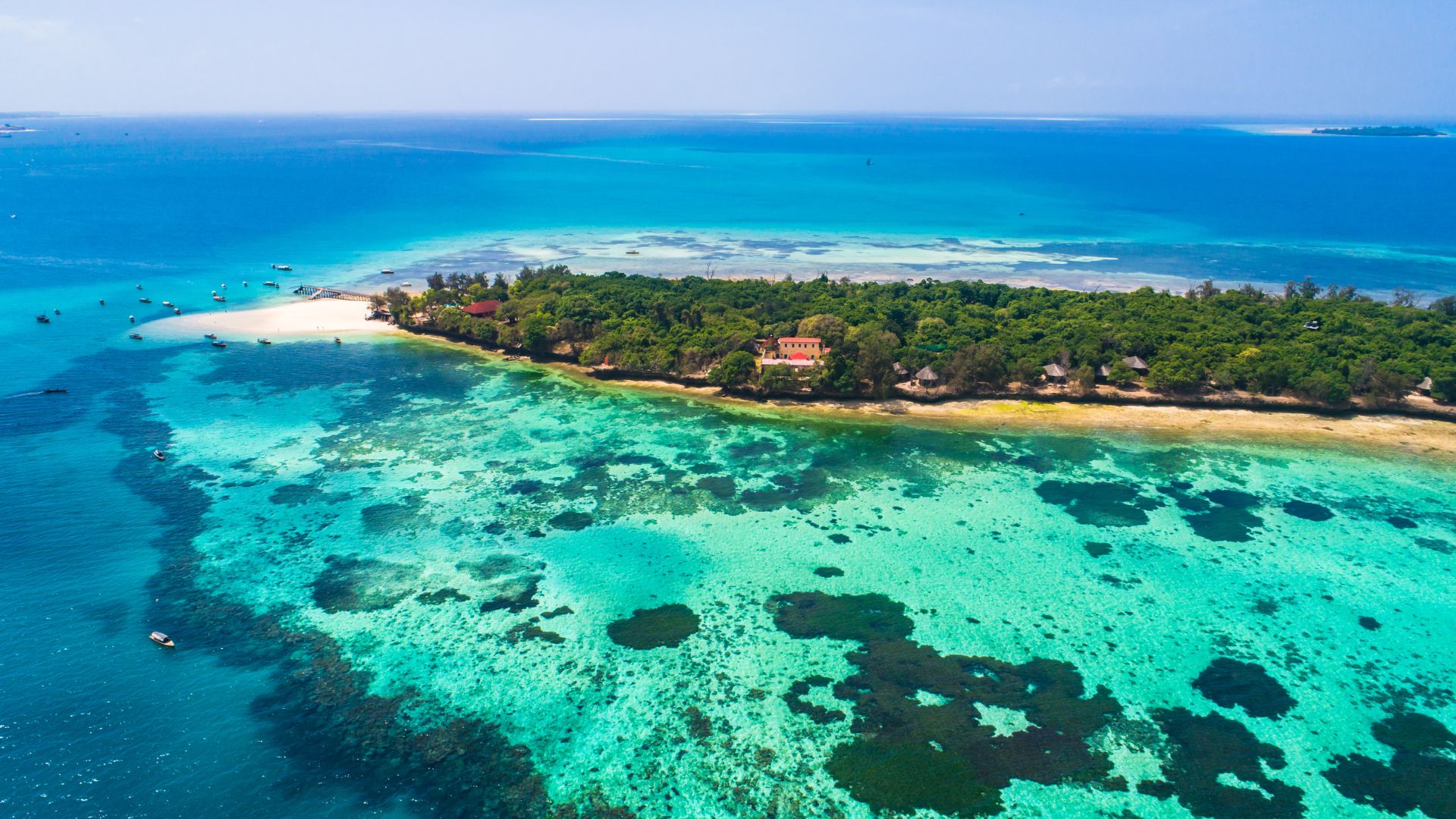
Prison Island, also known as Changuu Island, lies a short boat journey from Stone Town. It is a popular excursion for travellers interested in island scenery, history and marine experiences.
The island is associated with historical buildings and a population of giant Aldabra tortoises, which visitors may observe in designated areas. These remarkable animals are known for their large size and long lifespans.
The surrounding waters can offer opportunities for swimming, snorkelling and enjoying views of the coastline, depending on sea conditions and the activities permitted at the time.
Boat excursions generally depart from the Stone Town waterfront and may be arranged privately or as part of a group tour. Visitors should confirm what is included and follow responsible wildlife-viewing guidelines, including not feeding or disturbing the tortoises.
Jozani Forest and the Zanzibar Red Colobus Monkey
Jozani Forest, within the Jozani–Chwaka Bay area on Unguja, is one of Zanzibar’s best-known nature destinations. Its forest habitats support a variety of plants, birds and other wildlife, including the rare Zanzibar red colobus monkey.
These monkeys are endemic to Zanzibar and are an important symbol of the island’s conservation heritage. Visitors may observe them in their natural habitat with the help of guides, although sightings and viewing conditions can vary.
The wider forest landscape includes different vegetation types, and some visitor routes introduce travellers to woodland, forest ecology and mangrove environments.
A guided nature walk is an excellent way to learn about the island’s biodiversity and conservation challenges. Visitors should keep a respectful distance from wildlife, avoid feeding animals and remain on designated paths.
Zanzibar’s White-Sand Beaches
Zanzibar’s beaches are among its most attractive features. The island has stretches of white sand, palm-lined shores, turquoise water and coastal villages that provide a range of holiday experiences.
The northern coast, including Nungwi and Kendwa, is popular for swimming, beach accommodation, sunset views and boat excursions. The eastern coast, including Paje and Jambiani, is known for long sandy beaches, water sports and the striking changes in the shoreline caused by tides.
Beach conditions vary by location. On some eastern beaches, the sea retreats considerably at low tide, revealing tidal flats and reef areas. In the north, swimming conditions may be less affected by these extensive tidal changes, although currents and sea conditions still require attention.
Travellers should select their beach according to their priorities, whether those are swimming, diving, kiteboarding, relaxation, nightlife or a quieter coastal atmosphere.
Nungwi and Kendwa: The Northern Beach Escape
Nungwi and Kendwa are among Zanzibar’s best-known northern beach destinations. Both offer sandy shores, accommodation choices, restaurants and access to marine excursions.
Nungwi has a lively coastal atmosphere, with fishing and boat activity alongside tourism services. Kendwa is popular for its broad beach and sunset views.
Visitors can arrange dhow cruises, snorkelling excursions, diving trips and other water-based activities through local operators. The northern coast is also a good option for travellers who want to combine days on the beach with evening dining and social activities.
As with any marine destination, sea conditions, tides and operator standards should be considered when booking excursions.
Paje and Jambiani: Eastern Zanzibar’s Coastal Charm
Paje and Jambiani are coastal villages on Zanzibar’s southeast coast, known for long beaches, palm trees, traditional village life and a relaxed island atmosphere.
Paje has become especially popular for kiteboarding because of its shallow coastal waters and favourable seasonal winds. Jambiani offers a more village-oriented experience, with opportunities to explore local life, enjoy seafood and relax by the shore.
The eastern coast is strongly influenced by tides. At low tide, the sea may retreat far from the beach, exposing sand flats and reef areas. This can create beautiful walking and photography opportunities, but visitors seeking uninterrupted swimming should check tide times.
These destinations suit travellers looking for beach relaxation, water sports, local cultural encounters and a quieter alternative to busier resort areas.
Snorkelling, Scuba Diving and Marine Life
The waters around Zanzibar support coral reefs, seagrass beds, reef fish and a range of marine organisms. Snorkelling and scuba diving are among the most popular activities for visitors who want to explore the Indian Ocean.
Depending on the location, excursions may offer opportunities to observe colourful fish, coral formations and other marine life. Diving operators serve a range of experience levels, including beginners who want an introductory experience with qualified professionals.
Marine trips can be arranged around several parts of the island, including the northern coast and selected offshore areas. Conditions depend on weather, tides, visibility and currents.
Choose reputable operators that follow safe diving practices and responsible marine tourism standards. Avoid standing on coral, touching marine animals or collecting shells and coral from protected environments.
Safari Blue and Traditional Dhow Excursions
Safari Blue is a well-known style of marine excursion in Zanzibar, generally associated with the Menai Bay area on the southwest coast of Unguja. Trips commonly involve sailing in traditional-style boats, visiting sandbanks or selected islands, swimming or snorkelling where conditions permit and enjoying a meal during the excursion.
The exact route and activities depend on the operator, tides, weather and sea conditions. Some trips may include opportunities to observe marine life and experience the coastal landscape from the water.
Traditional dhow cruises are also popular for sunset outings and scenic coastal journeys.
Travellers should confirm departure points, inclusions, safety equipment, environmental practices and weather-related cancellation arrangements before booking.
Zanzibar’s Cultural Heritage and Swahili Traditions
Zanzibar’s culture reflects centuries of interaction between communities across the East African coast and the wider Indian Ocean world. Swahili language and traditions are central to daily life, alongside influences associated with Arab, Indian, Persian and European connections.
Visitors can learn about this heritage through guided walks, local food, markets, architecture, crafts, music and community-based experiences.
Traditional clothing, religious practices and social customs remain important in many communities. Modest dress is appreciated when visiting religious sites and walking through residential areas, particularly outside beach resorts.
Respectful cultural tourism means asking permission before photographing people, supporting local businesses and approaching community visits with genuine interest rather than treating everyday life as a performance.
Markets, Local Crafts and Shopping
Stone Town has a variety of small shops, markets and craft outlets where visitors can browse textiles, carved wooden items, artwork, jewellery, baskets and locally produced spices.
Darajani Market is one of the best-known places to experience everyday commerce in Zanzibar City. It offers a lively setting for observing local shopping and exploring the island’s food culture.
Visitors can also look for handmade souvenirs and products from local artisans. Buying directly from local businesses can help support craftspeople and small enterprises.
As with any busy market, keep valuables secure, ask permission before taking photographs and confirm prices before making purchases.
Responsible Tourism and Respect for Local Communities
Zanzibar’s appeal depends on its cultural heritage, coastal ecosystems, marine biodiversity and the communities that sustain island life.
Visitors can help protect these resources by respecting local customs, dressing appropriately in towns and religious settings, reducing plastic waste and choosing responsible tourism operators.
Marine activities should avoid damaging coral reefs or disturbing wildlife. Wildlife viewing in Jozani Forest should follow the instructions of guides, and animals should never be fed or approached in ways that cause stress.
Supporting locally owned restaurants, guides, craftspeople and accommodation providers can help spread tourism benefits across the community.
Stone Town’s historic buildings also require care and conservation. Visitors should respect private properties, avoid damaging old structures and support responsible heritage tourism.
Why Visit Zanzibar and Stone Town with Local Female Guides?
Zanzibar offers a wonderful combination of island relaxation, cultural discovery, historical architecture and outdoor adventure. From the heritage streets of Stone Town to spice farms, forest walks, traditional markets and tropical beaches, the destination provides experiences for many different types of traveller.
Local Female Guides can help visitors plan an itinerary that matches their interests, travel dates, accommodation preferences and budget. Whether you want a cultural walking tour, a spice farm experience, a day trip to Prison Island, a marine excursion or a relaxing beach holiday, thoughtful planning can help you make the most of your time.
For travellers combining Zanzibar with a mainland Tanzania safari, the island is an excellent way to finish a journey with time for rest, history and the Indian Ocean.
Zanzibar is more than a beach destination. It is a place where Swahili culture, historic trading connections, distinctive architecture, natural landscapes and warm coastal hospitality come together to create a memorable East African experience.
Main Attractions
01
Stone Town Historic Centre: A UNESCO World Heritage Site featuring narrow streets, historic buildings, traditional courtyards and a distinctive blend of cultural influences.
02
The Old Fort: A historic defensive structure with a courtyard and cultural significance near Stone Town’s waterfront.
03
The House of Wonders: An iconic historic palace associated with Sultan Barghash; confirm current visitor access because restoration and conservation work may affect opening arrangements.
04
The Palace Museum: A historic royal residence offering insight into Zanzibar’s former sultanate and royal heritage.
05
Christ Church Cathedral and Former Slave Market Site: A significant heritage site commemorating the history of slavery and abolition in East Africa.
06
Forodhani Gardens: A waterfront public space known for its evening food stalls and lively atmosphere.
07
Zanzibar’s Carved Wooden Doors: Distinctive examples of traditional craftsmanship and the island’s architectural heritage.
08
Darajani Market: A busy local market where visitors can experience everyday commerce, produce and local food culture.
09
Zanzibar Spice Farms: Agricultural destinations where visitors can learn about cloves, cinnamon, nutmeg, pepper and other spices.
10
Prison Island: An offshore excursion destination known for giant Aldabra tortoises, historic features and surrounding coastal scenery.
11
Jozani Forest: A nature destination associated with the endemic Zanzibar red colobus monkey and other forest wildlife.
12
Nungwi Beach: A popular northern beach known for sand, accommodation, marine excursions and coastal activities.
13
Kendwa Beach: A northern beach destination appreciated for its broad sandy shoreline and sunset views.
14
Paje and Jambiani Beaches: Eastern coastal destinations known for long beaches, village life, water sports and dramatic tidal changes.
15
Menai Bay and Nearby Marine Areas: Coastal waters associated with boat excursions, sandbanks and marine experiences, subject to weather and permitted access.
Things To Do
01
Stone Town Walking Tours: Explore historic streets, buildings, markets and cultural landmarks with a knowledgeable guide.
02
Heritage and Architecture Tours: Learn about Swahili architecture, carved doors, historic houses and the island’s trading history.
03
Former Slave Market Heritage Visits: Explore the history of the slave trade and abolition at the former market site and Christ Church Cathedral.
04
Spice Farm Tours: Discover how Zanzibar’s spices are grown, harvested and used in local food and trade.
05
Forodhani Street Food Experiences: Sample selected local dishes and refreshments at the evening waterfront food market.
06
Prison Island Boat Trips: Visit the island’s historic features and observe giant tortoises in designated areas.
07
Jozani Forest Nature Walks: Explore forest habitats and look for Zanzibar red colobus monkeys with a guide.
08
Beach Relaxation: Enjoy the sandy shores and coastal scenery at locations such as Nungwi, Kendwa, Paje and Jambiani.
09
Snorkelling Excursions: Explore suitable marine areas with a reputable operator when sea conditions allow.
10
Scuba Diving: Discover coral reefs and marine life with qualified diving professionals.
11
Safari Blue-Style Marine Excursions: Enjoy boat trips, sandbanks and selected coastal activities around Menai Bay, depending on the operator and conditions.
12
Traditional Dhow Cruises: Experience a scenic coastal sailing trip, including sunset excursions where offered.
13
Kiteboarding: Try or watch kiteboarding in suitable coastal areas, especially around Paje, with an appropriate operator.
14
Market and Craft Shopping: Browse local spices, textiles, crafts and souvenirs while supporting local businesses.
15
Swahili Food and Cultural Experiences: Discover local cuisine, customs and everyday life through respectful, locally guided experiences.
16
Note: Activity availability, prices, marine conditions and access to individual heritage sites may change. Confirm current details before booking or advertising an activity as guara
 big five wildlife safari