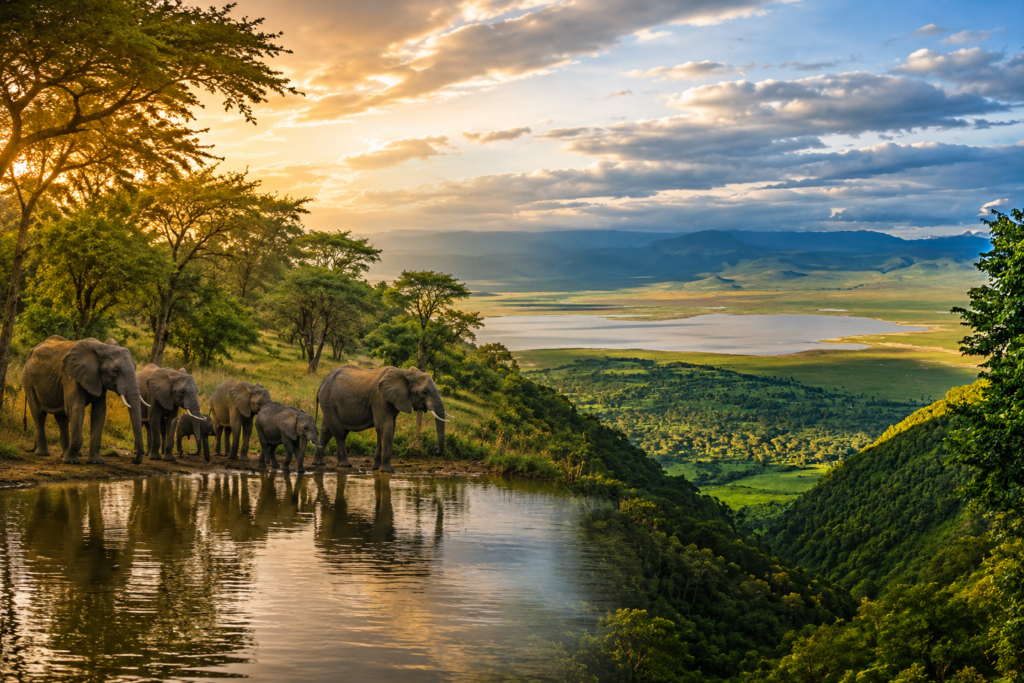
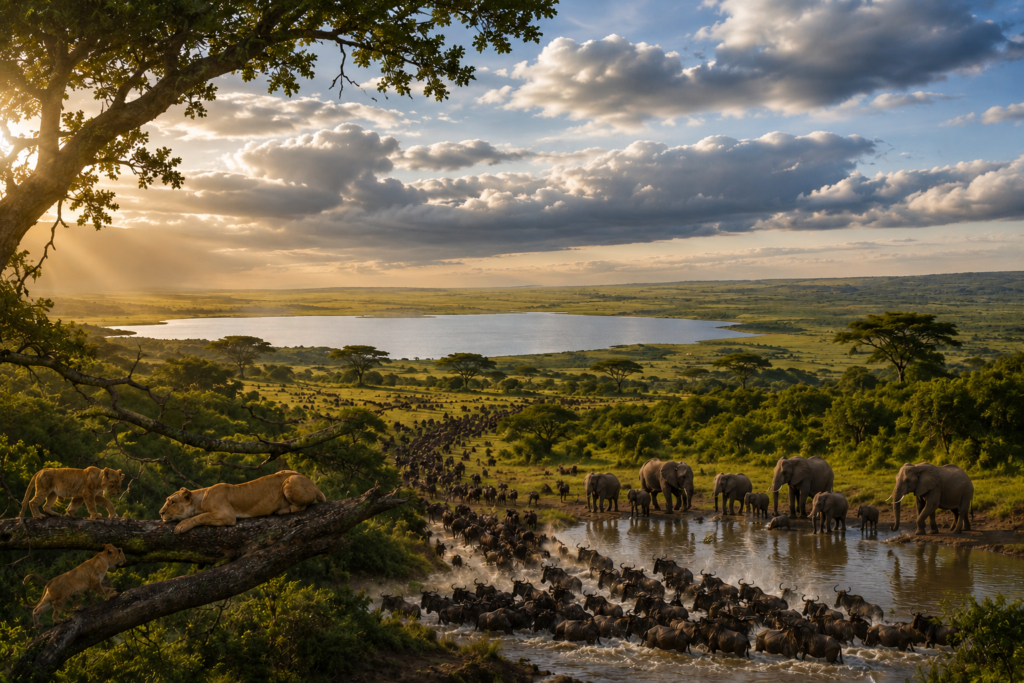
Ruaha National Park is one of Tanzania’s most spectacular wilderness destinations, offering vast savannah landscapes, ancient baobab trees, impressive elephant herds and excellent opportunities to observe Africa’s iconic wildlife. Located in south-central Tanzania, west of Iringa, Ruaha is particularly appealing to travellers seeking a more remote safari experience away from some of the busier tourist routes.
Covering approximately 20,226 square kilometres, Ruaha is Tanzania’s second-largest national park according to Tanzania National Parks Authority (TANAPA). Its remarkable landscape includes open grasslands, rocky hills, granite outcrops, seasonal streams, river valleys, wetlands and extensive woodlands.
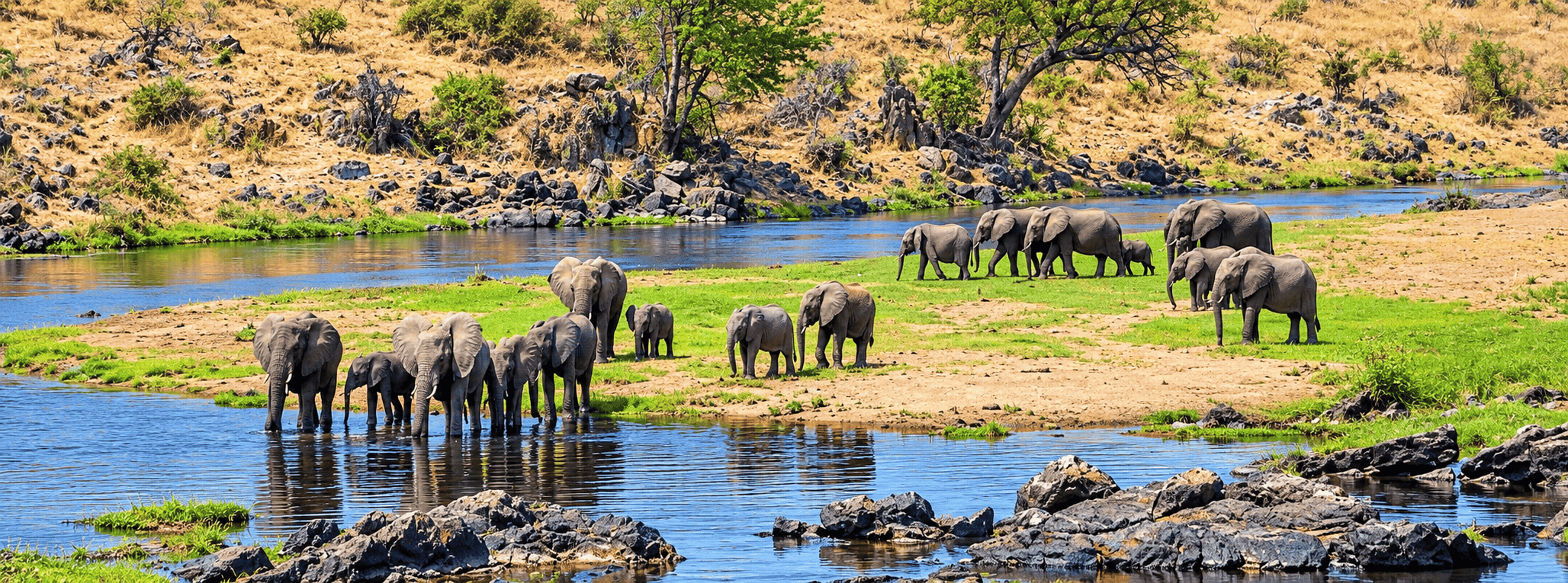
The park is named after the Great Ruaha River, one of its most important natural features. During the dry season, water remaining in the river and its pools attracts elephants, buffaloes, antelopes, birds and predators. These concentrations of wildlife create rewarding opportunities for game drives and wildlife photography.
Ruaha is also notable for its mixture of eastern and southern African wildlife communities. Visitors may encounter lions, leopards, cheetahs, elephants, buffaloes, wild dogs, giraffes and several antelope species, including greater kudu and sable antelope. With its striking scenery, exceptional birdlife and sense of wilderness, Ruaha offers a memorable safari experience for adventurous travellers.
The Great Ruaha River: The Lifeline of the Park
The Great Ruaha River is one of the defining attractions of Ruaha National Park. It supports wildlife throughout the year and becomes especially important during the dry season, when many smaller water sources disappear.
Elephants may gather along the riverbanks to drink, while hippos occupy deeper pools and crocodiles wait in suitable aquatic habitats. Buffaloes and antelopes visit the river to obtain water, and predators may patrol nearby areas in search of prey.
The river also creates excellent birdwatching opportunities. Kingfishers, herons, storks, fish eagles and other birds may be observed around the water and along the surrounding vegetation.
Game drives near the river can provide fascinating opportunities to observe natural behaviour. However, visitors should remain inside their vehicles unless their guide indicates an authorised and safe place to leave them.
Large Elephant Herds and Exceptional Wildlife
Ruaha is renowned for its elephants, which move through woodland, grassland and riverine habitats in search of food and water. During the dry season, elephants may gather near the Great Ruaha River and remaining water sources, creating memorable wildlife encounters.
The park supports a broad variety of mammals, including African buffaloes, giraffes, zebras, impalas, waterbucks, warthogs, elands and several species of antelope. The mixture of habitats allows different animals to occupy the same landscape while using different food sources and shelter.
Observing elephant families can be one of the highlights of a Ruaha safari. Visitors may see adults feeding, calves remaining close to their mothers or herds moving together between woodland and water.
Wildlife sightings vary according to the season, weather, animal movements and the amount of time spent exploring the park. Travelling with an experienced guide can help visitors understand animal behaviour and make the most of each game drive.
Lions, Leopards and Other Predators
Ruaha is an excellent destination for travellers interested in African predators. Its large herbivore populations and varied habitats support lions, leopards, cheetahs, spotted hyenas and other carnivores.
Lions may be seen resting beneath trees, moving through the grasslands or watching herds from elevated ground. Leopards are more elusive and often use woodland, rocky areas and riverine vegetation for shelter. Cheetahs favour suitable open habitats where they can search for prey.
African wild dogs are another important species associated with Ruaha’s wider wilderness. Encounters are less predictable, but the possibility of seeing these highly social and endangered predators adds to the park’s appeal.
Predator viewing is most rewarding when travellers allow enough time to explore different habitats and remain patient. A professional guide can interpret tracks, alarm calls and other signs that may help locate animals without disturbing them.
Ancient Baobab Trees and Scenic Savannah
Ruaha’s landscape is famous for its impressive baobab trees. Their enormous trunks and unusual branching shapes rise above the grasslands and woodlands, creating one of the park’s most distinctive visual features.
Baobabs provide food and shelter for wildlife and contribute to the ecological character of the region. Their silhouettes are especially striking in the early morning and late afternoon, when changing sunlight highlights the texture of their trunks and the surrounding landscape.
Beyond the baobabs, Ruaha features open plains, rocky ridges, sandy riverbeds and wooded valleys. These contrasting landscapes provide a varied backdrop for game drives and nature photography.
For photographers, the park offers opportunities to capture wildlife against dramatic trees, dusty tracks, golden grasslands and expansive African skies.
Sable Antelope, Greater Kudu and Other Special Species
Ruaha is particularly attractive to wildlife enthusiasts because it supports an interesting mixture of animal species associated with eastern and southern African ecosystems.
Greater kudu are among the park’s notable antelopes, recognised by the males’ impressive spiral horns and striped bodies. Visitors may also encounter sable antelope and roan antelope in suitable habitats.
These animals often favour woodland, grassland edges or areas where vegetation provides food and cover. Because some species are more elusive than elephants or common plains grazers, finding them may require patience and careful observation.
Ruaha is also significant for the lesser kudu, whose distribution is associated with eastern African dry woodland habitats. The park’s combination of vegetation types makes it an interesting destination for travellers who want to see more than the most familiar safari animals.
Miombo Woodlands and Diverse Habitats
Ruaha contains extensive woodland habitats, including areas of miombo woodland, alongside open savannah, riverine vegetation and seasonal wetlands. This diversity helps explain the variety of wildlife found within the park.
Woodlands provide shade, browse and shelter for many mammals and birds. Open areas offer feeding grounds for grazing animals, while rivers and seasonal watercourses become important during dry periods.
The transition between woodland and open grassland can be particularly rewarding during game drives because different species use these habitats in different ways.
These ecosystems also support reptiles, insects and smaller mammals that are easy to overlook when attention is focused only on large animals. A guided safari can help visitors appreciate the ecological relationships that sustain Ruaha’s wildlife.
Exceptional Birdwatching Opportunities
Ruaha is one of Tanzania’s outstanding birdwatching destinations. TANAPA reports hundreds of recorded bird species, with the official park information listing more than 570 species.
The variety of habitats supports raptors, waterbirds, woodland birds and species associated with dry savannah. Visitors may encounter eagles, vultures, hornbills, kingfishers, bee-eaters, rollers, storks and many other birds.
The park is particularly rewarding for observing birds of prey, which may soar above the plains or perch in trees and on rocky outcrops. River corridors provide different opportunities to look for birds feeding around the water.
Birdwatching is possible throughout the year, although seasonal rainfall and the movement of migratory birds influence what visitors may encounter. Binoculars, a bird identification guide and sufficient time for stops can make the experience more enjoyable.
Hippos and Crocodiles in River Pools
The Great Ruaha River and its remaining pools support hippos and crocodiles, adding another dimension to the park’s wildlife experience.
Hippos are often observed resting in water during the day and may become more active as conditions change. Crocodiles use suitable river habitats to rest, hunt and regulate their body temperature.
During the dry season, shrinking water sources can concentrate aquatic wildlife in particular pools. This may also attract birds and terrestrial animals seeking water.
Although these animals may appear inactive, both hippos and crocodiles can be extremely dangerous. Visitors should never approach them on foot or attempt to get closer to the water’s edge for photographs.
Rocky Outcrops, Granite Hills and Scenic Viewpoints
Ruaha’s terrain includes rocky ridges, granite outcrops and isolated hills that rise above the surrounding plains. These formations, sometimes referred to as kopjes or inselbergs, contribute to the park’s distinctive scenery.
Rocky habitats provide shelter for smaller animals and reptiles, while elevated positions may offer resting places and vantage points for wildlife. The surrounding landscape also creates excellent opportunities for panoramic photography.
As a game drive travels through the park, the scenery can shift from open grasslands to rugged hills, wooded valleys and sandy seasonal riverbeds. This variety makes exploring different areas worthwhile, even when particular animals are not immediately visible.
Guided Game Drives and Wildlife Photography
Game drives are the principal way to explore Ruaha National Park. Visitors travel in safari vehicles accompanied by professional guides who help locate animals, interpret tracks and explain the park’s ecology.
Morning drives offer cooler conditions and opportunities to observe wildlife during early activity. Afternoon drives provide time to explore different habitats and photograph animals in changing light.
Ruaha’s relatively remote character can appeal to travellers who prefer a wilderness atmosphere and fewer vehicles at sightings than they might encounter in some heavily visited safari areas. Visitor numbers and vehicle activity nevertheless vary by location and season.
Photography enthusiasts can focus on elephants, predators, antelopes, birds, baobabs and landscapes. A camera with a telephoto lens and a pair of binoculars are useful additions to a safari.
Guided Walking Safaris
Guided walking safaris can provide a different perspective on Ruaha’s wilderness. Rather than concentrating only on large mammals, visitors may learn to recognise animal tracks, identify plants, observe insects and appreciate smaller details of the ecosystem.
Walking also offers opportunities to learn about animal signs, bird calls and the relationships between vegetation and wildlife. It can be a rewarding experience for travellers interested in nature and conservation.
Walking safaris are not permitted everywhere and must be arranged through authorised operators and guides under current park regulations. They require safety briefings and compliance with ranger instructions.
Travellers should wear suitable walking shoes, neutral-coloured clothing and sun protection, and carry adequate drinking water.
Stargazing and the Remote Wilderness Experience
Ruaha’s distance from major urban centres and its expansive landscapes can create excellent conditions for enjoying the night sky when weather and local conditions are favourable.
Some camps offer opportunities to observe stars from designated areas within their grounds. The experience can be particularly memorable after a day of wildlife viewing, with the sounds of the surrounding wilderness adding to the atmosphere.
Stargazing should always take place in accordance with camp and park safety rules. Visitors must not wander away from accommodation independently at night, as wildlife can move through camp areas.
The remote setting is part of Ruaha’s appeal: the safari experience is not limited to animal sightings, but also includes the quiet, changing light and atmosphere of the African wilderness.
15. Accommodation in and Around Ruaha
Accommodation options in Ruaha include public campsites, special campsites, simple park bandas and tented camps or lodges in and around the park’s main safari areas.
Visitors can choose from basic facilities for independent or budget-conscious travellers to more comfortable safari camps offering private accommodation, meals and guided wildlife activities.
Some camps are positioned near the Mwagusi, Mdonya or Jongomero areas, while other properties operate around the park’s boundaries. Location matters because travel times between accommodation, airstrips and wildlife-viewing areas can be considerable.
During the June–October peak safari season and festive periods, booking early is recommended. Confirm the current operating status, prices, transport arrangements and included activities before making a reservation.
Conservation and Responsible Tourism
Ruaha National Park protects an important area of Tanzania’s wildlife habitat, including river systems, woodlands, grasslands and wetlands. Its large size and varied ecosystems support numerous mammals and birds, including species that depend on connected habitats and access to seasonal water.
Conservation efforts help protect wildlife from poaching, habitat loss and other pressures. Responsible tourism can contribute by supporting legitimate safari operators and accommodation providers while encouraging visitors to respect park regulations.
Travellers should remain on designated roads, avoid feeding or disturbing animals, dispose of rubbish properly and follow the instructions of their guide or ranger. Wildlife should be observed from a safe distance, and visitors should never leave a vehicle except in authorised locations.
Drones and night drives require specific permissions. Walking safaris must be guided and restricted to permitted areas. Visitors should check current regulations before arranging any specialist activity.
Why Visit Ruaha National Park with Local Female Guides?
Ruaha is an excellent destination for travellers looking for a wildlife safari with dramatic landscapes, impressive elephants, remarkable birdlife and a strong sense of wilderness.
Local Female Guides can help visitors plan a safari that suits their travel dates, interests, accommodation preferences and budget. Whether you are interested in wildlife photography, predator sightings, birdwatching, guided walks or a longer southern Tanzania adventure, careful planning can help you get the most from your visit.
Ruaha can also be combined with other destinations in southern Tanzania, depending on available transport and the time you have. Because the park is large and remote, allowing enough time for travel and wildlife viewing is important.
With its baobab-studded landscapes, the Great Ruaha River and diverse wildlife, Ruaha National Park offers a rewarding safari experience for travellers who want to explore a less conventional side of Tanzania.
Main Attractions
01
Great Ruaha River: The park’s major river and a vital water source for elephants, buffaloes, hippos, crocodiles and birds.
02
Large Elephant Herds: Opportunities to observe elephants moving through woodland and gathering near seasonal water sources.
03
Ancient Baobab Trees: Iconic trees that create distinctive scenery and excellent photographic subjects.
04
Lion Populations: Opportunities to search for lions across riverine habitats, woodland and open plains.
05
Leopards and Cheetahs: Predators that occupy different habitats and provide exciting wildlife-viewing possibilities.
06
African Wild Dogs: An important endangered predator associated with Ruaha’s wider wilderness.
07
Greater Kudu: A striking antelope with spiral horns on males, known for its preference for suitable woodland habitats.
08
Sable and Roan Antelope: Special antelope species that make Ruaha particularly appealing to experienced wildlife enthusiasts.
09
Miombo Woodlands: Important woodland habitats that support a range of mammals and birds.
10
Rocky Outcrops and Granite Hills: Scenic formations offering varied landscapes and opportunities for wildlife photography.
11
Hippo Pools and Crocodile Habitats: River environments where aquatic wildlife may be observed safely from authorised locations.
12
Exceptional Birdlife: More than 570 bird species are reported in official park information.
13
Seasonal Riverbeds and Waterholes: Natural features that become important to wildlife during dry periods.
14
Open Savannah and Grasslands: Landscapes that support grazing animals and provide excellent settings for game drives.
15
Remote Wilderness Landscapes: Vast areas of woodland, hills and plains that create Ruaha’s distinctive sense of space and solitude.
Things To Do
01
Guided Game Drives: Explore the park’s wildlife habitats in a safari vehicle with an experienced guide.
02
Elephant Watching: Observe elephant families and individual bulls in their natural environment.
03
Predator Viewing: Search for lions, leopards, cheetahs and spotted hyenas.
04
Birdwatching: Look for raptors, kingfishers, bee-eaters, hornbills and many other species.
05
Wildlife Photography: Photograph mammals, birds, baobabs and expansive landscapes.
06
Guided Walking Safaris: Discover animal tracks, plants and smaller wildlife in authorised zones with an approved guide.
07
River-Based Wildlife Viewing: Observe wildlife around the Great Ruaha River from safe, permitted locations.
08
Full-Day Game Drives: Spend additional time exploring the park’s extensive habitats.
09
Morning Game Drives: Enjoy cooler conditions and search for animals during early activity.
10
Afternoon Game Drives: Explore different areas as the light changes and wildlife activity shifts.
11
Antelope Spotting: Search for greater kudu, sable antelope, roan antelope and other species.
12
Landscape Photography: Capture baobabs, rocky outcrops, seasonal rivers and savannah scenery.
13
Nature Interpretation: Learn about wildlife behaviour, vegetation and conservation from professional guides.
14
Stargazing at Camp: Enjoy the night sky from designated accommodation areas when weather and camp rules permit.
15
Southern Tanzania Safari Planning: Combine Ruaha with other destinations where transport and travel time make the itinerary practical.
16
Note: Walking safaris must be guided and take place in authorised areas. Night drives, drones and specialist activities require applicable permissions. Confirm availability before advertising an activity as guaranteed.
 big five wildlife safari