Discover the royal heritage, cultural traditions and historical landmarks of Uganda’s capital on the Kampala Historical and Cultural Tour, led by a professional female driver-guide.
This half-day experience introduces you to the history of the Buganda Kingdom and its relationship with Uganda’s national story. Travel between royal tombs, historic palaces, cultural landmarks, religious sites and monuments while learning about the kings who ruled Buganda, the kingdom’s traditional clans and the political events that shaped modern Uganda.
The tour begins with pickup from your hotel within Kampala. Your female driver-guide will introduce herself and brief you on the day’s experience before driving you to the first cultural site. After exploring Buganda’s royal heritage, continue to Kabaka’s Lake, the Royal Mile and Gaddafi National Mosque. The final part of the tour takes you into central Kampala to see important monuments, markets and the Old Taxi Park before ending with an opportunity to shop for African crafts and souvenirs.
DETAILED ITINERARY
Stop 1: Wamala Tombs. The Resting Place of Kabaka Suuna II
Your female driver-guide will pick you up from your hotel within Kampala and introduce you to the half-day tour. After a short briefing, you will drive to Wamala, a sacred historical and cultural site in the Buganda Kingdom.
The site is associated with Kabaka Suuna II, the 29th king of Buganda, whose reign lasted from 1836 to 1856. According to the tour information, he was the last king to be buried in his own palace and was the first Buganda king to admit outside trade into the kingdom.
As you explore the site, your guide will explain the history of Kabaka Suuna II, his reign and his place in Buganda’s royal history. This opening visit introduces the royal traditions and historical stories that continue throughout the tour.
Stop 2: Kasubi Tombs A UNESCO World Heritage Site
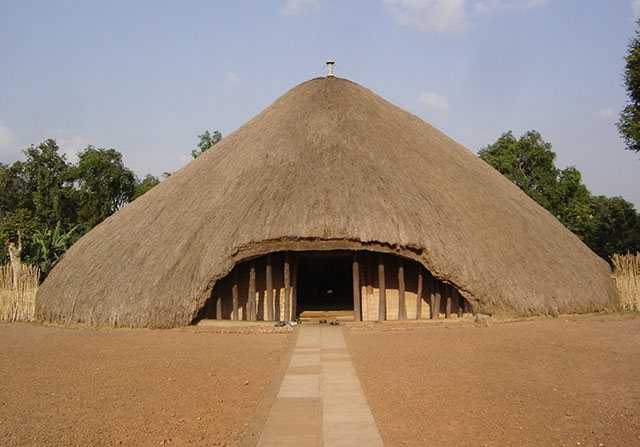
Continue to Kasubi Tombs, one of the most significant cultural sites associated with the Buganda Kingdom. The site was originally the palace of Kabaka Muteesa I and was constructed between 1880 and 1884, according to your tour document.
The main grass-thatched structure became a royal burial site and contains the graves of four kings of Buganda: Muteesa I, Mwanga II, Daudi Chwa and Muteesa II.
A site guide will take you through the site and explain its history, the palace’s original purpose and its importance in Buganda tradition. This visit provides insight into the kingdom’s royal succession and the continuing cultural significance of its kings.
The itinerary indicates that the driver-guide arranges payment at the site and that women may be provided with scarves to wrap around their clothing in keeping with local traditions. Follow the instructions provided by the site staff.
Stop 3: Kabaka’s Palace, Royal and Political History
From Kasubi Tombs, drive to Kabaka’s Palace, approximately ten minutes away according to the source document.
The palace was constructed in 1922 by Kabaka Daudi Chwa, with a plan obtained from England and assistance from the British government, as described in your itinerary.
The palace grounds are closely associated with important events in Uganda’s political history. The document explains that the building was partly destroyed in 1966 during the conflict involving Milton Obote and the Buganda monarchy. The grounds were subsequently used as army barracks, while an adjacent site became associated with underground imprisonment, torture and executions during Idi Amin’s rule in the 1970s.
At the site, a guide will explain the history of Buganda and the events surrounding Uganda’s development as a republic after independence in 1962. The visit offers an opportunity to understand the relationship between the kingdom, the national government and the country’s political past.
The source itinerary indicates that the driver-guide arranges payment at the tourism office and that clothing coverings may be provided to women visitors. Follow the guidance of the site staff during the visit.
Stop 4: Kabaka’s Lake
After visiting the palace, drive to Kabaka’s Lake, located behind the palace grounds.
Kabaka’s Lake is an artificial lake whose construction began in 1886 under Kabaka Mwanga II. According to the tour document, the king intended to create a connection between the shores of Lake Victoria at Munyonyo and Mengo, where his palace was located.
Your guide will explain the lake’s origins, its purpose and its connection to Buganda’s royal history. The visit provides a change of pace after the palace tour and offers an opportunity to learn about a distinctive feature of the kingdom’s cultural landscape.
Stop 5: The Royal Mile. Buganda’s Clans and Traditions
Continue by vehicle along the Royal Mile, a historic road connecting the Kabaka’s Palace with the Buganda parliament.
The Royal Mile is known for its association with the clans and traditional symbols of Buganda. Along the road, your guide will explain the different clan totems and the significance of the candle-nut trees associated with the kingdom’s 52 clans.
The itinerary also highlights the Kabaka Anjagala monument at the roundabout, described as a symbol of respect connected with the king’s passage.
As you travel along the road, your guide will explain the statues, totems and cultural traditions represented along the route. This stop offers a valuable introduction to the organisation and identity of the Buganda Kingdom.
Stop 6: Gaddafi National Mosque
Drive through the Royal Mile towards Gaddafi National Mosque, an important religious and architectural landmark in central Kampala.
The mosque was named after Libya’s former leader, Colonel Muammar Gaddafi, who funded its construction. Your guide will introduce the mosque’s history and explain its architectural design, which combines African, European and Arabian influences.
The mosque has a large prayer capacity and a prominent minaret that offers views across Kampala and its historic hills. A site guide will provide further information about the building, its significance and the surrounding city.
Visitors are required to follow the mosque’s dress code. The itinerary states that scarves are provided for women and robes are provided for men wearing shorts. Photography is permitted in both interior and exterior areas according to the source document, subject to any instructions given by mosque staff.
Stop 7: Central Kampala Independence Monument and City Landmarks
After visiting the mosque, drive towards central Kampala and park in the designated parking area. From here, continue on foot with your female guide to explore several city landmarks.
Independence Monument
Visit the Independence Monument and learn about Uganda’s journey towards independence in 1962. Your guide will discuss the country’s history before and after independence and explain the significance of this landmark in the national story.
Gorilla Monument
Continue to the Gorilla Monument, which highlights Uganda’s wildlife heritage. Your guide will explain its significance and the connection between Uganda’s national identity and its natural heritage.
Nakasero Market
Visit Nakasero Market to observe one of Kampala’s trading areas. The market provides a glimpse into the city’s everyday commercial life and the role of local markets in supplying food and other goods.
Hindu Temple
Stop at a Hindu temple to learn about Hinduism and the diversity of religious traditions in Uganda. Your guide will discuss the history of Indian communities in the country, including their arrival, their expulsion during Idi Amin’s rule and the return of many members of the community during the 1980s.
Old Taxi Park
Continue to the Old Taxi Park, a busy transport hub serving passengers travelling around Kampala and beyond. Your guide will explain how public taxis operate and how they form part of everyday urban life.
Together, these stops provide a broader perspective on Kampala’s national history, religious diversity, commercial activity and public transport culture.
Stop 8: African Craft Market. Shopping and Return to Your Hotel
After the central Kampala walking section, return to the parking area and drive to the African craft market.
This final stop gives you time to browse locally made crafts and souvenirs to take home. You can explore the available stalls and choose items that reflect Uganda’s artistic and cultural traditions.
Once you have finished shopping, your female driver-guide will drive you back to your hotel within Kampala. This marks the end of your Kampala Historical and Cultural Tour.
Experience Kampala Through Its Royal Heritage
The Kampala Historical and Cultural Tour offers an introduction to Buganda’s kings, royal traditions, historic sites and the events that shaped Uganda. From the royal tombs and palace grounds to the Royal Mile, national monuments and busy city markets, each stop adds a different perspective on the country’s heritage.
With a professional female driver-guide leading the experience, you can explore Kampala’s history and culture while gaining a deeper appreciation of the traditions, landmarks and everyday life of Uganda’s capital.