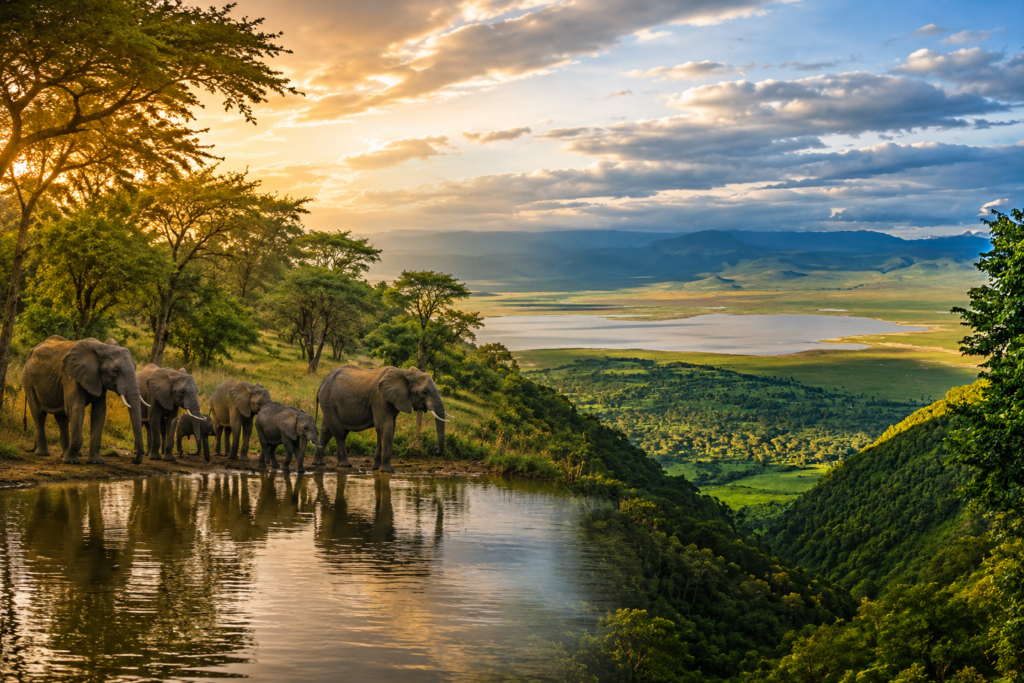
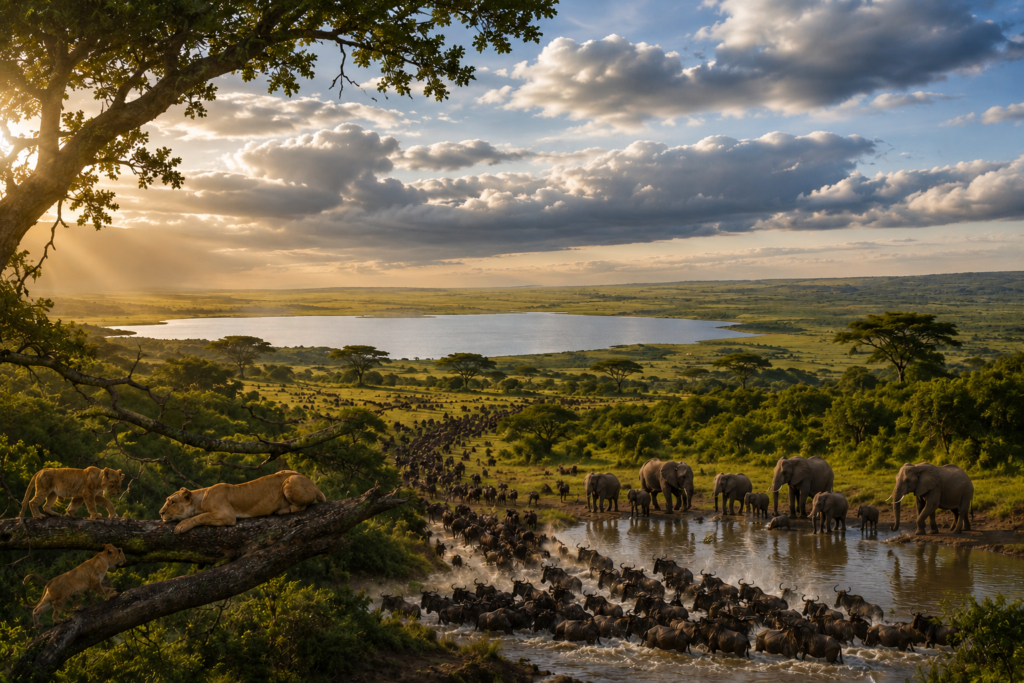
Mikumi National Park is one of Tanzania’s most accessible wildlife destinations, offering rewarding safari experiences, expansive savannah landscapes and excellent opportunities to observe African wildlife. Located in the Morogoro Region of south-central Tanzania, the park is an appealing choice for travellers who want to experience a classic African safari without travelling as far as the more remote wilderness areas.
Established as a national park in 1964, Mikumi covers approximately 3,230 square kilometres. Its landscape includes open grasslands, the famous Mkata Floodplain, acacia-dotted savannah, riverine habitats, seasonal waterholes and woodland-covered hills. The park forms part of a wider ecological landscape connected to Nyerere National Park and other natural areas of southern Tanzania.
Mikumi is particularly known for its elephants, buffaloes, giraffes, zebras, wildebeest, lions and rich birdlife. Its open plains make wildlife relatively easy to spot in suitable conditions, especially during the dry season when animals gather around remaining water sources.
For visitors exploring Tanzania’s Southern Safari Circuit, Mikumi offers an excellent introduction to wildlife viewing. It can be visited on a short safari from Dar es Salaam or included in a longer itinerary featuring Nyerere National Park, Ruaha National Park and Udzungwa Mountains National Park.
The Famous Mkata Floodplain
The Mkata Floodplain is the heart of Mikumi National Park and one of its most recognisable attractions. Its broad grasslands and open horizons are often compared to the famous plains of Serengeti, creating a classic African safari setting.
The floodplain supports large herbivores, including elephants, buffaloes, zebras, wildebeest, giraffes and antelopes. Lions may be seen resting in the grass or surveying the plains, while birds of prey circle overhead.
Seasonal changes transform the landscape throughout the year. During the dry months, vegetation becomes shorter and wildlife often gathers near rivers, pools and waterholes. Following rainfall, the floodplain turns greener, and animals may spread across a wider area.
The Mkata Floodplain is an excellent location for game drives, wildlife photography and observing the relationships between grazing animals and their predators.
Large Elephant Herds
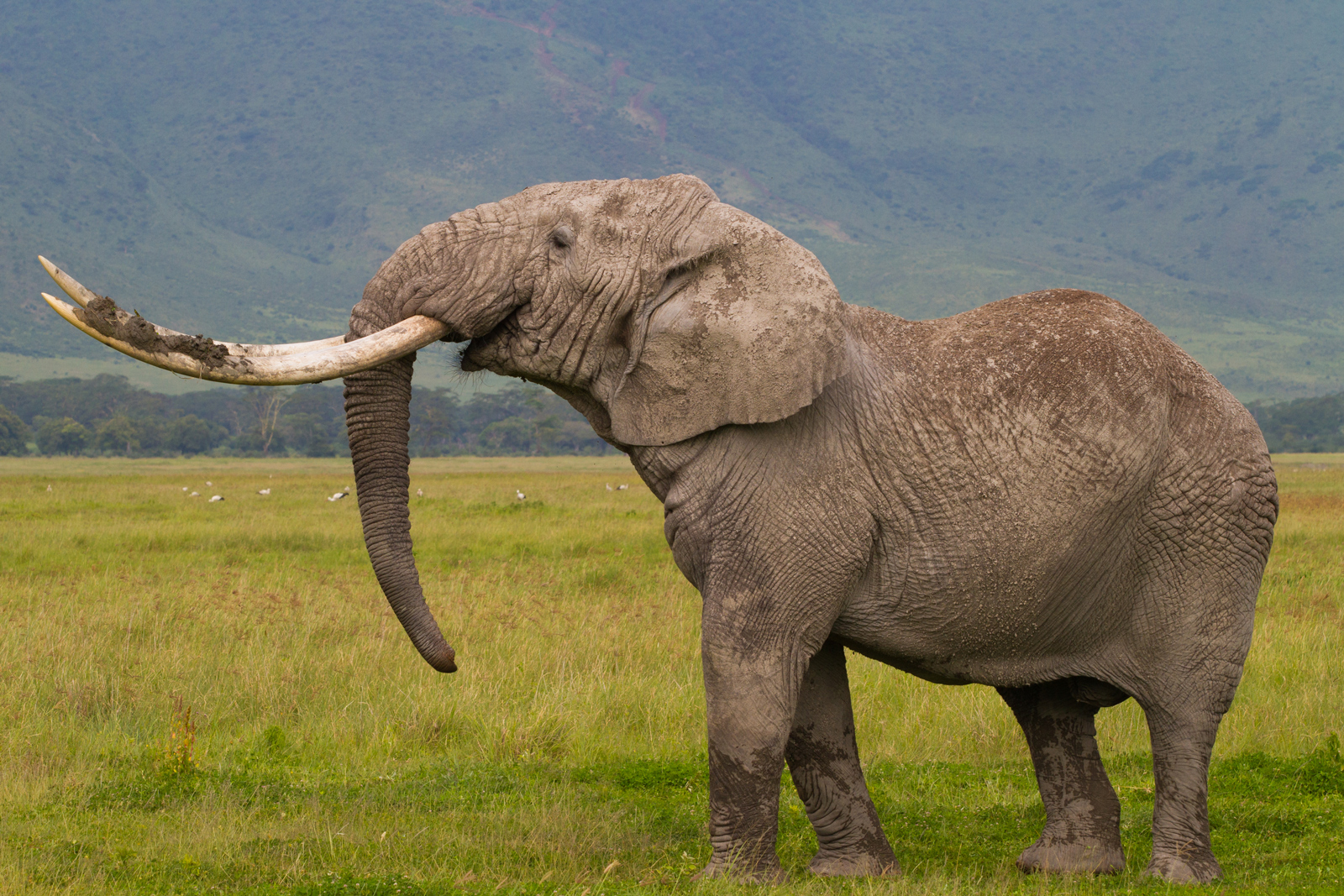
Elephants are among the most memorable animals visitors encounter in Mikumi. They move through grasslands and woodland in search of food, water and shade, sometimes travelling in family groups across the open plains.
Watching elephants feed, interact with their young or cross a safari track can be a highlight of any visit. Their movements also demonstrate how wildlife uses the park’s different habitats according to seasonal conditions.
Elephant sightings are possible throughout the year, although their distribution changes with water availability and vegetation. Visitors should always remain inside the vehicle unless an authorised guide has indicated that leaving it is permitted.
Lions and Other Predators
Mikumi offers opportunities to observe lions and learn about their role in the savannah ecosystem. Lions may rest beneath trees, shelter in tall grass or move across open ground in search of prey.
Leopards and spotted hyenas also occur in the park, although they may be more difficult to locate. Predator sightings depend on habitat, season, time of day and the experience of the guide.
Game drives through the Mkata Floodplain and surrounding habitats can reveal exciting encounters with predators and the herbivores they hunt. Responsible viewing is essential: visitors should keep a safe distance, avoid crowding animals and follow their guide’s instructions.
Giraffes, Zebras and Grazing Wildlife
Mikumi is home to a variety of grazing and browsing mammals that contribute to its lively safari atmosphere. Giraffes browse on trees and shrubs, while zebras and wildebeest graze on suitable grasslands.
Buffaloes can gather in large herds, and visitors may also encounter impalas, elands, warthogs and other antelope species. Some animals are easier to observe in the open plains, while others prefer woodland or more secluded habitats.
The variety of herbivores makes Mikumi rewarding for visitors interested in animal behaviour, photography and the diversity of African wildlife.
Hippo Pools and River Habitats
Mikumi’s pools and riverine habitats provide important water sources for wildlife. Hippos can often be seen resting in water, while crocodiles may bask along suitable riverbanks.
These habitats also attract birds, including herons, storks and other water-associated species. During dry periods, dependable pools and rivers can become important gathering places for wildlife.
Visitors should observe hippos and crocodiles only from designated, safe viewing areas. These animals can be dangerous, and approaching the water’s edge on foot without authorised guidance is unsafe.
Baobab Trees and Acacia Savannah
Mikumi’s scenery is defined by open grasslands dotted with acacia trees, baobabs and other vegetation adapted to seasonal conditions. These landscapes create beautiful photographic settings, particularly in the early morning and late afternoon.
Baobabs stand out for their thick trunks and distinctive branching patterns, while acacia trees provide shade and browsing opportunities for giraffes and other animals.
The changing light across the plains makes the park attractive to photographers. Visitors can capture wildlife against open horizons, trees silhouetted at sunset and dramatic skies above the savannah.
Malundwe Mountain and Surrounding Hills
Malundwe Mountain is an important geographical feature of Mikumi National Park. The surrounding hills and woodland create a striking contrast with the open Mkata Floodplain.
These elevated areas support different vegetation and wildlife habitats, contributing to the park’s ecological diversity. The mountain backdrop also adds depth to landscape photography and scenic game drives.
Visitors should follow permitted routes and confirm access arrangements before planning any walking activity. A mountain’s presence does not automatically mean that independent hiking is allowed within the park.
A Birdwatcher’s Paradise
Mikumi is a rewarding destination for birdwatching, with more than 400 recorded bird species across its grasslands, woodlands, wetlands and river habitats.
Birds that visitors may encounter include lilac-breasted rollers, bee-eaters, hornbills, fish eagles, bateleurs, storks, herons, vultures and other raptors. Water-associated species are often found around pools and rivers, while open plains support ground-dwelling birds and birds of prey.
The park’s changing seasons influence bird activity, vegetation and the presence of migratory species. Birdwatchers should bring binoculars and allow time to explore different habitats rather than focusing exclusively on large mammals.
Seasonal Waterholes and Wildlife Concentrations
Seasonal waterholes are important features of Mikumi’s ecosystem. As rainfall decreases and the landscape becomes drier, wildlife may concentrate around the remaining sources of water.
These locations can offer opportunities to observe elephants drinking, buffaloes gathering and birds feeding near the water. Predators may also use nearby habitats to search for prey.
The exact distribution of animals changes throughout the year, so sightings cannot be guaranteed at any particular waterhole. Experienced guides help visitors identify productive areas while respecting park regulations and wildlife safety.
An Accessible Safari from Dar es Salaam
One of Mikumi’s biggest advantages is its accessibility from Dar es Salaam. The park lies along the main road corridor connecting the coast with Tanzania’s interior, making it a popular choice for short safaris and weekend trips.
The journey commonly takes approximately 3–5 hours by road, depending on traffic, departure point, road conditions and the park entrance. Travellers should allow additional time for stops and transfers.
Mikumi can be an excellent choice for visitors with limited time who still want to experience wildlife in a protected natural environment. A one-day visit is possible, although staying overnight or for several days provides more time for game drives and a more relaxed experience.
Guided Game Drives
Game drives are the main activity in Mikumi National Park. Travellers explore designated tracks in a safari vehicle with a professional guide who helps locate animals and explains their behaviour and habitats.
Morning drives offer cooler temperatures and attractive light for photography. Afternoon drives provide opportunities to explore different areas as the light changes and wildlife activity shifts.
A full-day safari allows more time to explore the floodplain, woodland and water-associated habitats. Visitors should follow park speed limits, remain on designated tracks and avoid disturbing animals.
Wildlife sightings vary, but allowing sufficient time in the park increases the opportunity to experience its different habitats.
Walking Safaris and Guided Nature Experiences
Authorised guided walking activities may be available in Mikumi, subject to park regulations, guide arrangements and current operating conditions.
Walking experiences offer a different perspective from game drives, allowing visitors to learn about animal tracks, plants, insects, birds and the smaller details of the ecosystem.
For safety, visitors must follow the instructions of the authorised ranger or guide and use only approved walking areas. Walking independently or approaching large mammals on foot is not appropriate.
Travellers interested in walking should confirm availability, costs, duration and any additional requirements before booking.
Photography and Scenic Viewing
Mikumi offers excellent opportunities for wildlife and landscape photography. The open floodplain can provide clear views of animals, while baobabs, acacia trees and surrounding hills create attractive natural backdrops.
Early morning and late afternoon are often the most rewarding periods for photography because the light is softer and temperatures are generally cooler.
Photographers may capture elephants, giraffes, buffaloes, zebras, birds and predators in their natural surroundings. A camera with a zoom lens and a pair of binoculars can be helpful.
Always prioritise safety and animal welfare over a photograph. Do not ask drivers to leave permitted tracks or move dangerously close to wildlife.
Conservation and Responsible Tourism
Mikumi is part of a wider landscape that supports wildlife movement and ecological connections with other protected areas in southern Tanzania. Maintaining these connections is important for the long-term survival of animal populations and the habitats they depend on.
Conservation efforts include wildlife protection, anti-poaching patrols, habitat management and engagement with surrounding communities. Responsible tourism can help support the protection of wildlife and the natural environment.
Visitors can contribute by staying on designated tracks, avoiding littering, never feeding animals and respecting the instructions of park rangers and guides.
Drones require the appropriate written permission. Walking activities must be authorised, and visitors should never approach elephants, hippos or other potentially dangerous animals on foot without the required professional guidance.
Why Visit Mikumi National Park with Local Female Guides?
Mikumi National Park is a wonderful option for travellers seeking an accessible Tanzanian safari with varied wildlife, open landscapes and rewarding photography opportunities.
Local Female Guides can help travellers plan a safari around their travel dates, interests, preferred accommodation and budget. Whether you want a short getaway from Dar es Salaam, a family wildlife adventure or a longer journey through southern Tanzania, a well-organised itinerary can help you make the most of your visit.
Mikumi is particularly attractive for first-time safari visitors and travellers with limited time. Its open plains, elephant herds, birdlife and accessible location make it a valuable addition to Tanzania’s diverse collection of wildlife destinations.
Main Attractions
01
Mkata Floodplain: The park’s best-known landscape, featuring open grasslands and excellent opportunities to observe wildlife.
02
Elephant Herds: Opportunities to see elephants feeding, drinking and travelling through grassland and woodland habitats.
03
Lions of Mikumi: Search for lions resting in grasslands or moving through the savannah.
04
Giraffes: Observe giraffes browsing on trees and shrubs across the park.
05
Zebras and Wildebeest: Grazing mammals that contribute to the park’s characteristic savannah wildlife.
06
African Buffaloes: Large herds that may gather on the plains and near water sources.
07
Hippo Pools: Water habitats where visitors may observe hippos and associated birdlife from safe locations.
08
Riverine Habitats: Areas along waterways that support wildlife, vegetation and waterbirds.
09
Baobab Trees: Distinctive trees that add character to the landscape and create excellent photographic subjects.
10
Acacia Savannah: Open woodland and grassland habitat used by giraffes, birds and other wildlife.
11
Malundwe Mountain: An important geographical feature providing a backdrop to parts of the park.
12
Seasonal Waterholes: Water sources that may attract wildlife during dry periods.
13
Birdlife: More than 400 recorded bird species, including rollers, bee-eaters, eagles, hornbills and waterbirds.
14
Woodland and Hills: Varied habitats supporting antelopes, birds and other wildlife.
15
Southern Tanzania Wildlife Ecosystem: Ecological connections with Nyerere and other protected landscapes.
Things To Do
01
Guided Game Drives: Explore designated safari routes with a professional guide.
02
Elephant Watching: Observe elephants in their natural habitats.
03
Predator Viewing: Search for lions, leopards and spotted hyenas.
04
Birdwatching: Look for raptors, rollers, bee-eaters and waterbirds.
05
Wildlife Photography: Capture mammals, birds and the park’s distinctive landscapes.
06
Morning Safaris: Explore during cooler conditions and softer early light.
07
Afternoon Safaris: Enjoy game viewing and photography later in the day.
08
Full-Day Game Drives: Spend more time exploring different habitats.
09
Guided Walking Activities: Participate only where authorised and accompanied by the required guide or ranger.
10
Landscape Photography: Photograph baobabs, acacia trees, hills and the Mkata Floodplain.
11
Hippo and Waterbird Viewing: Observe aquatic wildlife from approved safe locations.
12
Scenic Drives: Explore the park’s plains, woodland and river corridors.
13
Nature Interpretation: Learn about wildlife behaviour, plants, habitats and conservation.
14
Picnics in Designated Areas: Enjoy a meal at an approved picnic site.
15
Southern Circuit Safaris: Combine Mikumi with Nyerere, Udzungwa Mountains or Ruaha National Park.
16
Note: Walking activities and any optional balloon safaris are subject to current permissions, availability, weather and park regulations. Confirm the activity with TANAPA or an authorised operator before advertising it as available.
 big five wildlife safari