Serengeti National Park is one of Africa’s most celebrated wildlife destinations, renowned for its endless golden plains, remarkable biodiversity, dramatic predator encounters and the spectacular Great Wildebeest Migration. Located in northern Tanzania, the park offers an unforgettable safari experience for travellers hoping to encounter Africa’s iconic wildlife in a vast and largely natural landscape.
Covering approximately 14,750 square kilometres, Serengeti National Park forms part of a much larger ecosystem that extends beyond the park boundaries. Its open grasslands, rocky outcrops, acacia woodlands, river valleys and seasonal wetlands support an extraordinary variety of animals and birds.
The park is especially famous for the annual movement of wildebeest, zebras and gazelles across the Serengeti ecosystem in search of fresh grazing and water. This natural spectacle attracts predators such as lions, cheetahs, leopards, hyenas and crocodiles, creating some of the most exciting wildlife-viewing opportunities in the world.
Whether you are planning a luxury safari, a photography adventure, a family holiday or an extended East African wildlife journey, Serengeti National Park offers a remarkable combination of wildlife, landscapes and unforgettable outdoor experiences.
The Great Wildebeest Migration
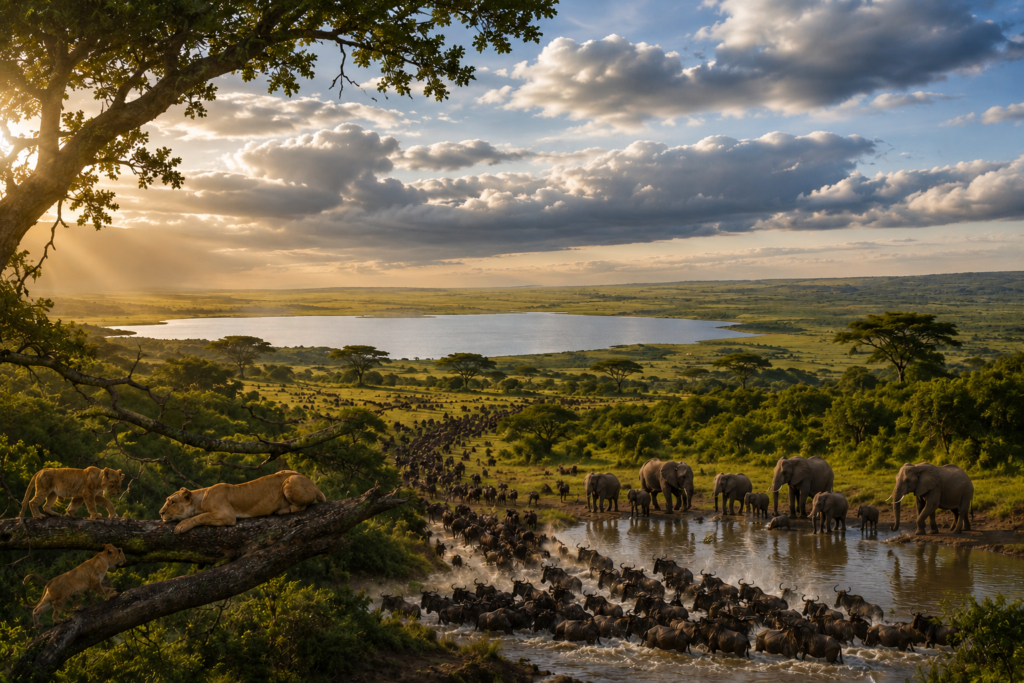
The Great Wildebeest Migration is Serengeti’s most famous natural attraction. More than a million wildebeest, accompanied by large numbers of zebras and other grazing animals, move through the wider Serengeti ecosystem in response to seasonal rainfall, fresh grass and water availability.
The migration is not a single event that happens in one place on a fixed date. It is a continuous cycle of movement, with herds spreading across different areas throughout the year.
During the early part of the year, many wildebeest gather in the southern Serengeti and Ndutu region, where seasonal grasslands can provide favourable conditions for calving. As the dry season approaches, herds generally move towards the western corridor and northern Serengeti. River crossings may occur along the Grumeti and Mara river systems, although their timing and location vary.
Witnessing enormous herds stretching across the plains is an extraordinary experience. The sounds of thousands of animals moving together, dust rising above the grasslands and predators searching for opportunities create a vivid picture of life in the African wilderness.
Travellers should choose their safari dates and accommodation according to the areas they hope to explore. Because migration movements depend on weather and grazing conditions, no responsible operator can guarantee a specific herd location or river crossing.
Big Five Wildlife Safaris
Serengeti is one of Tanzania’s leading destinations for observing Africa’s Big Five: lions, leopards, elephants, African buffaloes and rhinoceroses.
Lions are among the park’s most frequently sought-after predators. They can sometimes be seen resting beneath trees, watching herds from grassy ridges or moving across open plains. Experienced guides often use tracks, animal calls and observations of other wildlife to help locate them.
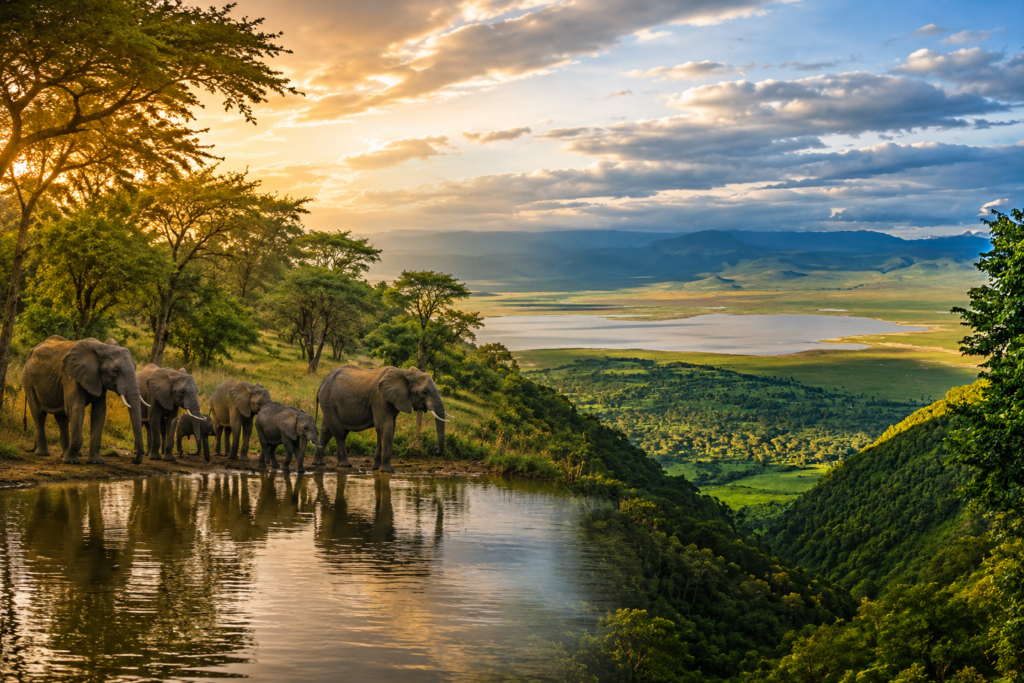
Leopards are more elusive and may be spotted resting in trees or moving through riverine vegetation. Elephants travel through woodland and grassland habitats, while buffaloes gather in herds of varying sizes.
Black rhinoceroses occur in protected areas of the Serengeti ecosystem but are much harder to encounter than many other large mammals. Seeing all five species during a single safari is possible but never guaranteed.
Beyond the Big Five, the park supports giraffes, zebras, wildebeest, impalas, gazelles, elands, topis, hartebeests, warthogs, hippos, crocodiles and numerous smaller mammals.
The Serengeti’s Famous Lion Population
The Serengeti is particularly renowned for its lions and offers excellent opportunities to learn about their behaviour and social structure.
Lions live in social groups called prides, which may include related females, their cubs and one or more adult males. During a game drive, visitors may observe lions resting in the shade, grooming one another, caring for cubs or moving towards hunting grounds.
The open plains can make lion sightings especially rewarding, although vegetation, weather and the time of day influence visibility. Riverine woodland and rocky areas also provide shelter and hunting opportunities.
A knowledgeable guide can explain territorial behaviour, pride dynamics and the role lions play in maintaining the balance of the ecosystem.
Seronera Valley: A Wildlife Hotspot
Seronera, in the central Serengeti, is one of the park’s best-known wildlife-viewing areas. Its mixture of open plains, woodland, rocky outcrops and permanent water sources supports wildlife throughout the year.
The region is especially popular for searching for lions, leopards, elephants, giraffes and numerous grazing animals. The presence of water and suitable habitats can make it productive even when migration herds are elsewhere.
Seronera is also an important safari hub, with an airstrip and a range of accommodation options in the wider area. It is a practical base for travellers who want to explore central Serengeti while remaining within reach of other regions of the park.
The Mara River and Dramatic River Crossings
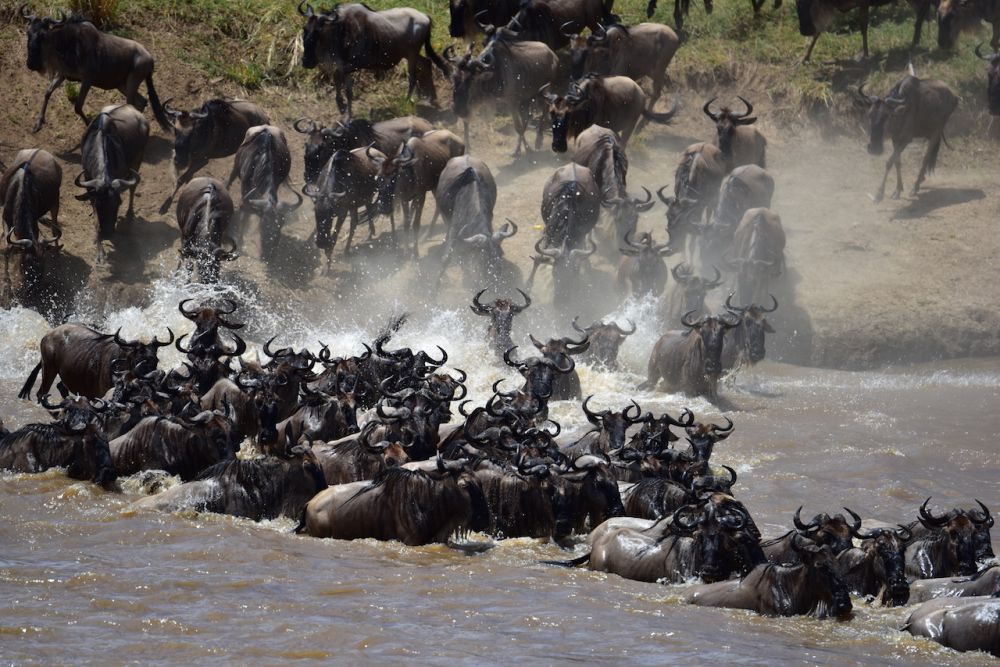
The Mara River is associated with some of the most dramatic moments of the Great Migration. During parts of the year, migrating wildebeest and zebras may attempt to cross the river as they move between grazing areas.
River crossings can involve strong currents, steep banks and crocodiles. The herds may gather for hours before crossing, and sometimes they change direction or move away without attempting it.
The uncertainty is part of what makes the experience so compelling, but visitors should understand that river crossings cannot be scheduled or guaranteed. Their occurrence depends on herd movements, rainfall and local conditions.
Northern Serengeti is particularly attractive to travellers hoping to experience this aspect of the migration. Staying in the area for several nights can increase the opportunity to observe the herds, although success is never assured.
Grumeti River and the Western Corridor
The western corridor is another important part of the Serengeti migration route. Its grasslands, wooded areas and river systems provide seasonal feeding grounds and wildlife habitats.
The Grumeti River is particularly associated with migration movements during part of the dry season. Hippos and crocodiles inhabit sections of the river, while surrounding woodland and grasslands support elephants, giraffes, antelopes and predators.
Game drives through the western corridor offer opportunities to explore landscapes that can feel quieter than the most frequently visited central areas, depending on the season and location.
For travellers interested in following the migration, the western corridor can be an important consideration when planning dates and choosing accommodation.
Endless Plains and Iconic African Scenery
The name Serengeti is often associated with vast, open grasslands, and these landscapes are central to the park’s identity. The plains stretch towards the horizon, interrupted by rocky outcrops, isolated trees, shallow valleys and distant hills.
The scenery changes throughout the year. After seasonal rains, the grasslands can become lush and green, while the dry season brings golden grass, dusty tracks and dramatic afternoon light.
Sunrise and sunset are especially beautiful times for landscape photography. The changing colours of the sky, silhouettes of acacia trees and movement of wildlife across the plains create memorable scenes.
The park’s varied terrain also means that different areas offer different experiences, from wide-open southern plains to wooded river valleys and the more rugged northern landscape.
Kopjes: Rocky Outcrops and Wildlife Viewing
Kopjes are distinctive rocky outcrops scattered across parts of the Serengeti. These formations rise above the surrounding grasslands and provide shelter, resting places and vantage points for wildlife.
Lions may rest on the rocks or use their elevated positions to survey the surrounding plains. Smaller animals, reptiles and birds also make use of the crevices and sheltered spaces within the rock formations.
Kopjes add variety to the scenery and are popular subjects for wildlife photography. They also help create a distinctive landscape in which animals can be seen against a backdrop of rocks, grass and distant horizons.
During game drives, guides may stop at suitable viewpoints to explain the ecological importance of these rocky habitats.
Exceptional Birdwatching Opportunities
Serengeti is an excellent destination for birdwatchers, with hundreds of recorded bird species occupying its grasslands, wetlands, woodlands and riverine habitats.
Birds that visitors may encounter include ostriches, secretarybirds, kori bustards, crowned cranes, vultures, eagles, storks, hornbills and colourful rollers. The park also supports many smaller birds that can be found among grasslands and woodland vegetation.
Seasonal changes influence bird activity and the presence of migratory species. Wetlands and riverbanks can be particularly productive areas for observing waterbirds, while open plains offer opportunities to search for large ground-dwelling species and birds of prey.
Travellers interested in birdwatching should inform their guide in advance so that the itinerary can allow additional time for identifying and photographing species.
Hippos, Crocodiles and the Park’s Rivers
Serengeti’s rivers and pools support important populations of aquatic wildlife. Hippos can often be observed resting in water during the day, while crocodiles may be found along suitable riverbanks.
These habitats become especially interesting during migration periods, when large numbers of wildebeest and zebras move through the wider river systems.
Aquatic wildlife viewing should always take place from a safe distance and under the direction of an authorised guide. Visitors must never approach riverbanks on foot or attempt to get closer to dangerous animals for photographs.
The rivers are also essential to the wider ecosystem, providing water for wildlife and supporting vegetation that sustains numerous species.
Hot-Air Balloon Safaris over the Serengeti
A hot-air balloon safari offers a different perspective of Serengeti National Park. Flights generally begin around sunrise, when the air is cool and the landscape is illuminated by soft morning light.
From above, visitors may see the patterns of the grasslands, winding rivers, scattered trees and animals moving across the plains. The experience can be particularly striking when large herds are visible below.
Balloon safaris are typically arranged through authorised operators and are subject to weather, flight conditions and availability. They usually cost extra and may include a post-flight breakfast, depending on the package.
Travellers should book in advance, especially during busy migration periods, and confirm the departure location because balloon operations are associated with specific areas of the park.
Guided Game Drives and Wildlife Photography
Game drives are the main way to explore Serengeti National Park. Travellers use safari vehicles with professional guides to reach wildlife-viewing areas and learn about the animals, landscapes and ecological relationships.
Morning drives can offer cooler conditions and opportunities to observe animals during early activity. Afternoon drives provide time to explore other habitats and photograph wildlife in changing light. Full-day drives may be useful for visitors travelling between regions or searching for specific wildlife experiences.
Photographers can capture a wide variety of subjects, including predators, grazing herds, birds, landscapes and animal interactions. A camera with a telephoto lens and a pair of binoculars can be useful.
Wildlife sightings are never guaranteed, and responsible viewing means respecting minimum distances, avoiding crowding animals and following park rules at all times.
Cultural Experiences and the Greater Serengeti Landscape
The Serengeti ecosystem is part of a wider landscape that includes pastoral communities, conservation areas and important cultural heritage. The neighbouring Ngorongoro Conservation Area offers different landscapes and opportunities to learn about the region’s human history and contemporary communities.
Depending on the itinerary, travellers may arrange cultural visits outside the national park with appropriate local operators and community consent. These experiences can introduce visitors to local traditions, livelihoods, food, crafts and the challenges of balancing conservation with human needs.
Cultural visits should be respectful and community-led, with clear arrangements for photography and participation. The national park itself is primarily managed for wildlife conservation, so activities outside its boundaries must be planned separately.
Conservation and Responsible Tourism
Serengeti National Park is internationally recognised for its ecological importance and was inscribed on the UNESCO World Heritage List in 1981. Its extensive grasslands, wildlife populations and migration routes make it one of the world’s most important natural conservation areas.
Protecting the Serengeti requires the preservation of wildlife habitats and the wider ecological connections that allow animals to move in response to seasonal conditions. Conservation also involves managing tourism, reducing human–wildlife conflict and working with communities in the surrounding landscape.
Visitors can contribute by following their guides’ instructions, staying on permitted roads, disposing of rubbish responsibly, avoiding feeding animals and respecting wildlife viewing distances.
Drones are prohibited without the required special permission. Walking activities must be authorised and undertaken according to park rules. Responsible tourism helps protect the Serengeti for future generations while supporting conservation and the people who make safari experiences possible.
Why Visit Serengeti National Park with Local Female Guides?
Serengeti National Park is an outstanding choice for travellers seeking a classic African safari, spectacular wildlife encounters and the opportunity to witness one of the world’s great natural migrations.
Local Female Guides can help you plan a safari around your interests, budget, travel dates and preferred accommodation. Whether you want to follow the Great Migration, photograph lions and elephants, enjoy a hot-air balloon experience or combine Serengeti with other destinations in northern Tanzania, a well-planned itinerary can make your journey more rewarding.
Because the park is enormous and wildlife movements change throughout the year, choosing the right region and allowing sufficient time are essential. With thoughtful planning, experienced guiding and respect for the natural environment, a Serengeti safari can become one of the most memorable experiences of an East African adventure.
Main Attractions
01
The Great Wildebeest Migration: A remarkable annual movement of wildebeest, zebras and other grazers across the Serengeti ecosystem.
02
Seronera Valley: A central wildlife-viewing area known for its varied habitats and opportunities to observe predators and herbivores.
03
Mara River: An important northern river system associated with possible migration crossings.
04
Grumeti River: A western river corridor connected to seasonal migration movements and aquatic wildlife.
05
Big Five Wildlife: Opportunities to search for lions, leopards, elephants, buffaloes and rhinoceroses.
06
Lion Prides: Excellent opportunities to learn about lion behaviour and social structure.
07
Cheetahs of the Open Plains: Open grasslands provide habitat where visitors may search for these fast-moving predators.
08
Leopard Habitats: Riverine woodland and suitable trees can provide opportunities to spot elusive leopards.
09
Kopjes and Rocky Outcrops: Distinctive rock formations used by wildlife for shelter and resting.
10
Endless Savannah Plains: Iconic grasslands offering beautiful scenery and wide-ranging wildlife-viewing opportunities.
11
Seasonal Wetlands and Waterholes: Important habitats for animals and birds as water availability changes.
12
Hippo Pools and River Habitats: Opportunities to observe hippos and crocodiles from safe, permitted viewing locations.
13
Serengeti Birdlife: Hundreds of bird species occupying grasslands, woodlands and wetlands.
14
Hot-Air Balloon Viewing Areas: Locations where authorised operators offer sunrise balloon safaris.
15
The Wider Serengeti Ecosystem: A connected landscape supporting wildlife movements and seasonal changes beyond the national park boundaries.
Things To Do
01
Guided Game Drives: Explore wildlife areas with a professional safari guide.
02
Great Migration Safaris: Plan travel around the expected seasonal movement of wildebeest and zebras.
03
Big Five Wildlife Viewing: Search for Africa’s five iconic large mammals.
04
Lion Tracking by Vehicle: Observe lions and learn about their behaviour from an experienced guide.
05
Wildlife Photography: Capture predators, grazing herds, birds and landscapes.
06
Birdwatching: Explore habitats for raptors, ostriches, secretarybirds, storks and other species.
07
Morning Game Drives: Experience early wildlife activity and soft morning light.
08
Afternoon Game Drives: Explore different habitats and observe changing wildlife activity.
09
Full-Day Safaris: Spend additional time searching for wildlife across larger areas.
10
Hot-Air Balloon Safaris: Enjoy sunrise views from above when authorised flights are available.
11
Landscape Photography: Photograph open plains, kopjes, rivers and dramatic skies.
12
Migration River Viewing: Search for migrating herds near river systems when seasonal movements bring them into the area.
13
Wildlife Interpretation: Learn about ecology, animal behaviour and conservation from professional guides.
14
Multi-Region Serengeti Safaris: Combine central, western or northern areas according to season and travel time.
15
Northern Tanzania Safari Combinations: Combine Serengeti with destinations such as Ngorongoro Conservation Area, Tarangire National Park and Lake Manyara National Park.
16
Note: River crossings, specific animal sightings and migration positions cannot be guaranteed. Balloon safaris and any walking activities depend on current permissions, conditions and operator availability.
 big five wildlife safari