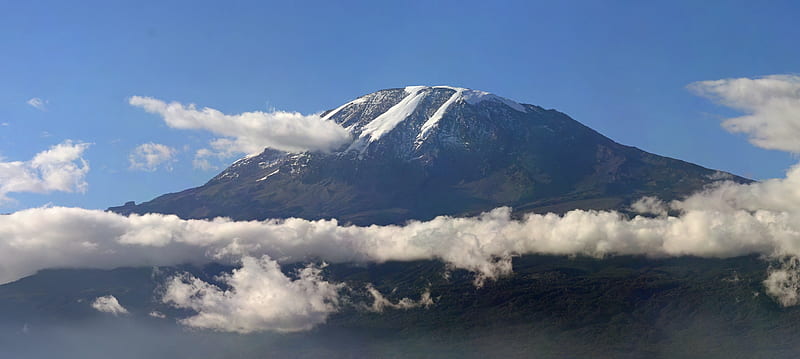
Mount Kilimanjaro National Park is one of Tanzania’s most spectacular natural destinations, protecting the slopes and summit of Mount Kilimanjaro, the highest mountain in Africa at 5,895 metres (19,341 feet) above sea level. Known as the “Roof of Africa,” this remarkable volcanic mountain rises dramatically above the surrounding plains, creating one of the continent’s most recognisable landscapes.
Located in northern Tanzania, near the town of Moshi, the park attracts adventure travellers, mountain climbers, nature enthusiasts, photographers and visitors seeking an unforgettable African experience. Whether you dream of reaching Uhuru Peak, walking through ancient montane forests or admiring the mountain from its lower slopes, Kilimanjaro offers experiences for a wide range of interests and fitness levels.
The park is a UNESCO World Heritage Site, recognised for its outstanding natural beauty, exceptional mountain environment and ecological importance. Its landscapes range from cultivated foothills and lush tropical forest to heathland, alpine desert, glaciers and the high volcanic summit.
Climb Uhuru Peak, the Highest Point in Africa
The main attraction of Mount Kilimanjaro National Park is the opportunity to climb to Uhuru Peak, the highest point on Kibo, one of the mountain’s three principal volcanic peaks. Reaching the summit is a major achievement for trekkers from around the world and provides extraordinary views across the surrounding plains and mountain landscapes.
The climb is not a technical mountaineering expedition along the standard trekking routes, but it is physically demanding because of the altitude, changing weather and long walking days. Climbers need proper preparation, suitable equipment, a licensed guiding team and enough time to acclimatise.
Most summit itineraries take approximately five to nine days, depending on the route and itinerary. Longer itineraries generally allow more time for acclimatisation, which can improve the chances of reaching the summit safely.
Explore Kilimanjaro’s Three Volcanic Peaks
Mount Kilimanjaro is made up of three principal volcanic features: Kibo, Mawenzi and Shira.
Kibo Peak: Kibo is the highest volcanic cone and contains Uhuru Peak. Its upper slopes feature dramatic alpine terrain, volcanic formations, glaciers and the famous crater area.
Mawenzi Peak: Rising to approximately 5,149 metres, Mawenzi has rugged, jagged formations shaped by volcanic activity and erosion. Its challenging terrain attracts experienced mountaineers undertaking specialist climbs.
Shira Peak and Plateau: Shira is the oldest of the three volcanic features. Its collapsed volcanic structure forms a scenic plateau with expansive views, distinctive vegetation and unusual high-altitude landscapes.
Together, these features tell the story of Kilimanjaro’s geological history and create a mountain environment unlike any other in Africa.
Experience the Mountain’s Changing Climate Zones
One of Kilimanjaro’s most fascinating characteristics is its succession of ecological zones. As visitors ascend the mountain, vegetation, temperatures, rainfall and scenery change dramatically.
The lower slopes include cultivated land and montane forest, followed by heathland and moorland with giant groundsels, lobelias and other distinctive high-altitude plants. Higher up, the landscape becomes increasingly sparse, with alpine desert leading towards the rocky summit and glaciated areas.
These transitions make the mountain especially rewarding for hikers, naturalists and photographers. A climb is not simply a journey towards a summit; it is also a passage through several different natural environments.
Walk Through the Montane Rainforest
The lower slopes of Kilimanjaro are covered by lush montane forest that supports a variety of plants, birds and mammals. The forest provides a striking contrast to the open, dry landscapes found at higher elevations.
Visitors may encounter moss-covered trees, ferns, flowering plants, butterflies and colourful birdlife along forest trails. Depending on the area and conditions, wildlife sightings may include blue monkeys, black-and-white colobus monkeys and other forest-dwelling animals.
Forest walks offer an excellent introduction to the mountain for travellers who do not intend to attempt the summit. They also provide opportunities to learn about forest ecology, water catchments and the importance of protecting the mountain’s natural resources.
Discover the Shira Plateau
The Shira Plateau is one of Kilimanjaro’s most scenic areas, known for its expansive high-altitude landscapes, volcanic history and sweeping mountain views. The plateau provides a sense of the mountain’s immense scale and offers a different perspective from the more forested lower slopes.
Visitors on routes passing through this area may see unusual plants, open moorland, rocky formations and distant views of Kibo. The landscape is particularly appealing to photographers who want to capture the contrast between rugged volcanic terrain and the mountain’s higher summit.
The plateau is also an important part of the mountain’s geological story, representing an older volcanic structure that collapsed over time.
Admire the Glaciers and Snow-Capped Summit
Kilimanjaro’s summit is famous for its glaciers and occasional snow-covered appearance near the equator. The sight of ice and high-altitude volcanic terrain above the warm plains of East Africa is one of the mountain’s most distinctive features.
The glaciers have changed considerably over time and have retreated significantly. Their future is affected by changing climatic conditions, making them an important feature of scientific and environmental interest.
Summit trekkers may encounter ice and snow depending on the season and current conditions. Visitors should not assume that the summit will always have a particular amount of snow or ice, as conditions can change.
Enjoy Birdwatching on the Mountain
Kilimanjaro’s different habitats support a diverse bird community, from forest species at lower elevations to birds adapted to open and high-altitude environments.
Birdwatchers may look for Hartlaub’s turaco, silvery-cheeked hornbill, African olive pigeon, white-necked raven and other species associated with the mountain’s forest and alpine zones. Sightings depend on the habitat, season, weather and the route being visited.
The montane forest is particularly rewarding for visitors interested in forest birds, while higher elevations offer opportunities to observe species adapted to cooler and more exposed environments. A knowledgeable guide can help identify birds by their calls, plumage and behaviour.
Look for Wildlife Along the Forested Slopes
Although Kilimanjaro is best known for climbing rather than large-animal safaris, its habitats support a range of wildlife. The forest and surrounding natural areas provide habitat for monkeys, small mammals and other species.
Wildlife sightings are not guaranteed, especially along busy trekking routes. Visitors should maintain a respectful distance from animals, avoid feeding wildlife and follow their guide’s instructions.
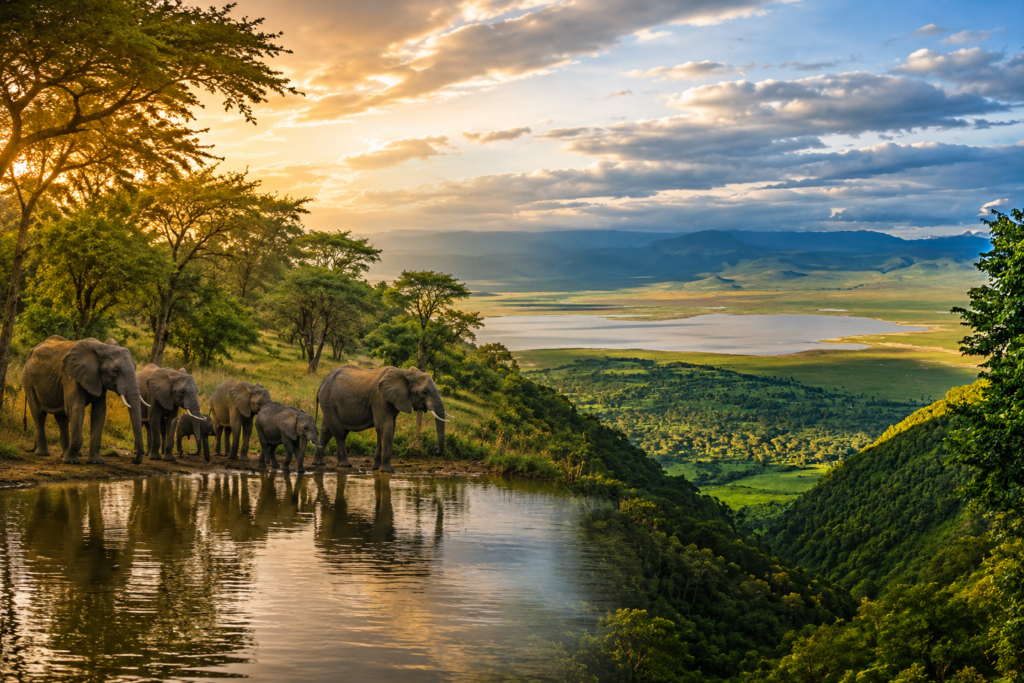
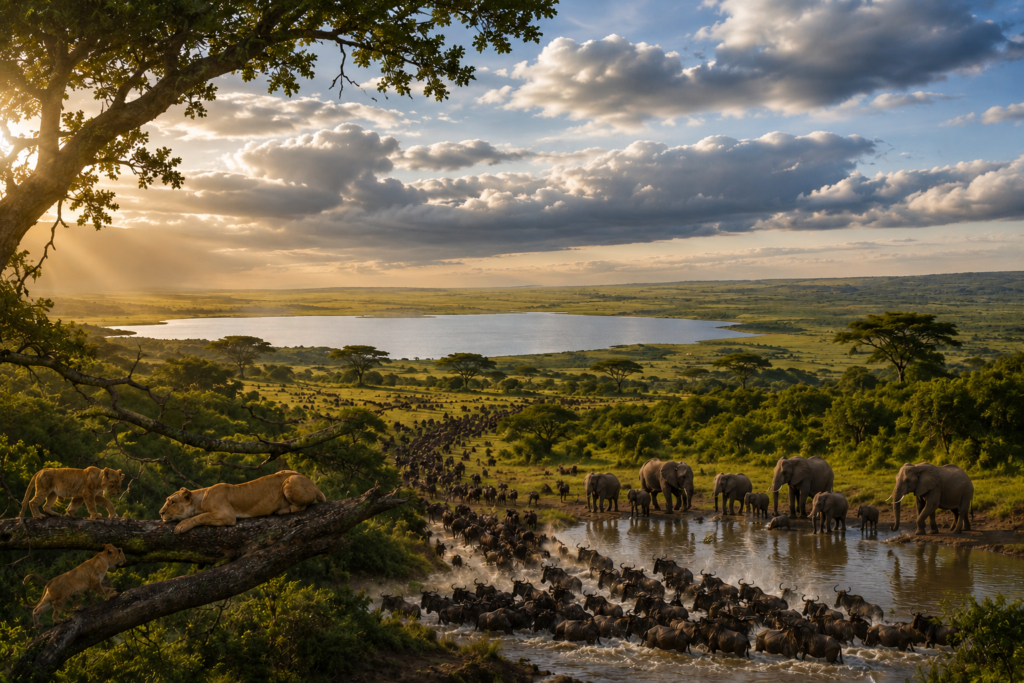
Travellers who want to combine a Kilimanjaro climb with a traditional wildlife safari can arrange additional visits to nearby northern Tanzania destinations such as Arusha National Park, Tarangire National Park, Lake Manyara National Park or Serengeti National Park.
Experience Mountain Cycling
Mountain cycling is an additional adventure available in designated parts of Kilimanjaro National Park. TANAPA identifies cycling opportunities associated with the Kilema route and the Shira Plateau.
The experience allows visitors to explore selected mountain landscapes without necessarily undertaking a full summit climb. Cycling routes, access requirements and permitted areas should be confirmed with park authorities or an authorised operator before travel.
Cycling at altitude can be physically demanding, so visitors should consider their fitness, equipment, route conditions and acclimatisation needs.
Learn About the Chagga People and Local Culture
The foothills of Mount Kilimanjaro are home to Chagga communities whose history, agriculture and traditions are closely connected to the mountain. The fertile volcanic soils support coffee cultivation, banana farming and other agricultural activities.
Visitors staying around Moshi and nearby villages may arrange cultural experiences that introduce them to local farming practices, traditional foods, coffee preparation and community life. These visits provide a valuable perspective on the people who live around the mountain and depend on its water and fertile land.
Cultural excursions are generally arranged with local guides or community-based tourism providers outside the core summit experience. Travellers should choose respectful visits that benefit local communities and follow the host community’s guidance on photography and customs.
Capture Spectacular Mountain Photography
Mount Kilimanjaro offers remarkable photographic opportunities, from its distant silhouette above the plains to detailed views of forest vegetation, volcanic formations and high-altitude scenery.
The mountain can appear especially dramatic when clouds move around its summit or when the early morning light illuminates its upper slopes. Photographers may also capture distinctive plants, forest birds, camp landscapes and the changing environments encountered during a climb.
Visibility varies with weather and cloud cover. Travellers hoping to photograph the summit from surrounding towns or viewpoints should allow time for changing conditions rather than relying on a single viewing opportunity.
Choose a Route That Matches Your Adventure
Several established routes lead towards the summit, each offering a different combination of scenery, duration, difficulty and accommodation arrangements.
- Marangu Route: Known for its mountain huts and a well-established trail. It is often called the “Coca-Cola Route.”
- Machame Route: A scenic route with varied terrain and tented camping, popular with trekkers seeking a challenging mountain experience.
- Lemosho Route: Approaches from the west and offers broad scenery with itineraries that can allow additional acclimatisation time.
- Rongai Route: Approaches from the northern side of the mountain, near the Kenyan border.
- Northern Circuit: A longer route that traverses the mountain’s northern slopes and provides more time for acclimatisation.
- Umbwe Route: A steep and demanding route generally suited to experienced, well-prepared trekkers.
- Shira Route: Crosses the Shira Plateau and connects with higher mountain trails.
The best route depends on your fitness, available time, budget and experience. A reputable operator can help select an itinerary that prioritises acclimatisation and follows current park regulations.
Visit the Mountain Without Climbing to the Summit
Not every visitor needs to attempt a multi-day climb to appreciate Kilimanjaro. Depending on current park access rules and the excursion booked, visitors can enjoy lower-elevation nature walks, forest scenery and designated day visits.
These experiences are suitable for travellers who have limited time, prefer a less strenuous adventure or want to explore the mountain before or after a safari. Even at lower elevations, visitors should prepare for rain, changing temperatures and uneven trails.
Ask your operator which areas are open for day visits, how far you will walk and what fees apply to the specific activity.
Understand Kilimanjaro’s Conservation Importance
Mount Kilimanjaro is an important natural landmark and a major water catchment for surrounding communities. Its forests help regulate water flow, protect soils and support biodiversity across the mountain’s slopes.
Conservation efforts focus on protecting habitats, managing visitor impacts and maintaining the mountain for future generations. Increasing tourism, fire, pressure on surrounding forests and changing climatic conditions are among the issues relevant to the mountain’s long-term protection.
Visitors can contribute by staying on designated routes, carrying out rubbish, avoiding damage to plants, respecting wildlife and following the guidance of park staff and mountain crews.
Essential Tips for Visiting Mount Kilimanjaro National Park
- Choose an itinerary that allows sufficient time for acclimatisation.
- Book your summit climb through a licensed and reputable operator.
- Bring layered clothing, waterproof outerwear, warm gloves, a hat and suitable trekking boots.
- Carry sun protection, water and any personal medication you need.
- Follow your guide’s instructions and report symptoms of altitude sickness immediately.
- Keep to designated routes and respect camp and park regulations.
- Carry out rubbish and minimise your impact on the mountain environment.
- Confirm current park fees, rescue charges, accommodation and other activity costs before departure.
- Allow flexibility in your plans because weather can affect visibility and trekking conditions.
Why Visit Mount Kilimanjaro National Park?
Mount Kilimanjaro National Park offers a rare combination of adventure, extraordinary scenery, ecological diversity and cultural experiences. From the lush forest at its base to the rugged alpine terrain and celebrated summit of Uhuru Peak, the mountain rewards visitors with a journey through some of East Africa’s most remarkable landscapes.
Whether you are preparing for a once-in-a-lifetime summit attempt, planning a forest walk or combining a mountain adventure with a Tanzanian wildlife safari, Kilimanjaro is a destination that can create lasting memories.
With thoughtful preparation, a responsible guiding team and respect for the mountain’s natural environment, visitors can experience the beauty and challenge of Africa’s highest mountain while supporting its long-term conservation.
Main Attractions
01
Uhuru Peak: The highest point in Africa at 5,895 metres, reached by trekkers on summit itineraries.
02
Kibo Peak: The mountain’s highest volcanic cone, containing Uhuru Peak and the upper summit landscape.
03
Mawenzi Peak: A rugged volcanic peak known for its jagged ridges and technical climbing terrain.
04
Shira Plateau: A scenic high-altitude plateau formed from an older volcanic structure.
05
Montane Rainforest: A lush forest zone rich in plant life, birds and forest wildlife.
06
Heath and Moorland: Distinctive high-altitude vegetation, including giant groundsels and lobelias in suitable areas.
07
Alpine Desert: A stark landscape of volcanic rock, sparse vegetation and dramatic mountain views.
08
Kilimanjaro’s Glaciers: High-altitude ice features near the summit, which have retreated considerably over time.
09
Crater and Summit Landscapes: Volcanic formations and elevated terrain encountered on authorised summit itineraries.
10
Mountain Wildlife: Forest-dwelling mammals, monkeys and other wildlife found across parts of the mountain.
11
Birdwatching Areas: Forest and high-altitude habitats supporting a variety of bird species.
12
Kilema Cycling Route: A designated mountain cycling option for visitors seeking a different way to experience the park.
13
Shira Route and Plateau Trails: Scenic approaches through high-altitude terrain and expansive mountain landscapes.
14
Marangu Mountain Huts: Established overnight stops along the Marangu climbing route.
15
Chagga Cultural Experiences: Community visits, coffee experiences and agricultural traditions around the mountain’s foothills.
Things To Do
01
Trekking to Uhuru Peak.
02
Multi-day guided mountain climbing.
03
Forest nature walks in permitted areas.
04
Day visits to designated lower-slope areas, subject to park rules.
05
Mountain photography and landscape viewing.
06
Birdwatching in montane forest and high-altitude habitats.
07
Wildlife observation along the mountain’s forested slopes.
08
Exploring the Shira Plateau.
09
Mountain cycling on permitted routes.
10
Learning about Kilimanjaro’s volcanic geology.
11
Observing the mountain’s ecological and climatic zones.
12
Experiencing Chagga culture in surrounding communities.
13
Coffee tours and agricultural visits around the foothills.
14
Camping at designated mountain camps as part of an authorised climb.
15
Combining a Kilimanjaro adventure with a northern Tanzania wildlife safari.
 big five wildlife safari