Lake Manyara National Park is one of Tanzania’s most scenic and ecologically diverse safari destinations, combining lush groundwater forests, open grasslands, an alkaline lake, seasonal wetlands and the dramatic escarpment of the Great Rift Valley. Located in northern Tanzania, the park offers a rewarding wildlife experience within a relatively compact area and is a popular stop on the northern Tanzania safari circuit.
Covering approximately 648.7 square kilometres, including the lake itself, Lake Manyara National Park is famous for its tree-climbing lions, large troops of baboons, elephants, colourful birdlife and striking landscapes. The park’s habitats change quickly as visitors travel from shaded forest near the entrance to woodland, floodplains and the lake’s shimmering shoreline.
The park is particularly attractive to travellers who want to combine wildlife viewing with scenic photography, birdwatching and a variety of outdoor experiences. Its location also makes it convenient to combine with Tarangire National Park, the Ngorongoro Conservation Area and Serengeti National Park.
Whether you are planning a day safari, a family wildlife holiday, a photographic adventure or a longer Tanzania itinerary, Lake Manyara offers an excellent introduction to the country’s wildlife and natural beauty.
Discover the Beauty of Lake Manyara
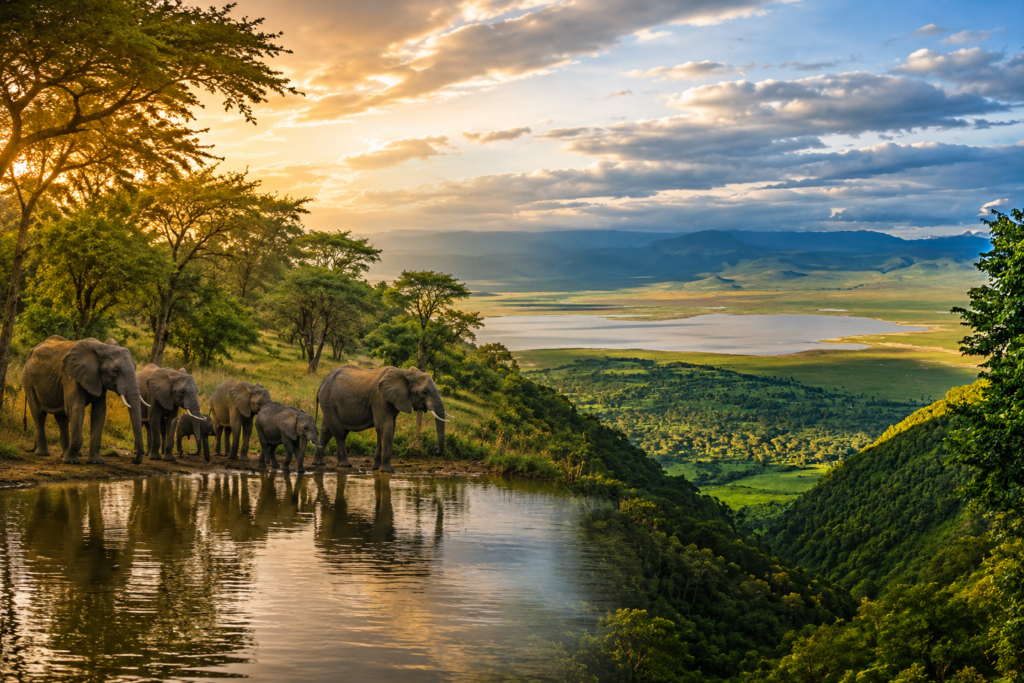
Lake Manyara lies beneath the western wall of the Great Rift Valley escarpment, creating a landscape of dramatic cliffs, green vegetation, open plains and expansive lake views.
The lake is alkaline, and its size, shoreline and water levels change with seasonal conditions. During suitable periods, the shallow waters attract flamingos and numerous other waterbirds, while the surrounding wetlands provide habitat for hippos and other wildlife.
The contrast between the lake, the forest and the steep escarpment is one of the park’s most distinctive features. Visitors can enjoy panoramic viewpoints, scenic drives and opportunities to photograph the changing colours of the landscape.
The lake is not simply a scenic backdrop; it is an important part of the park’s ecology. Its wetlands, surrounding vegetation and seasonal water conditions help support a wide range of wildlife.
Search for the Famous Tree-Climbing Lions
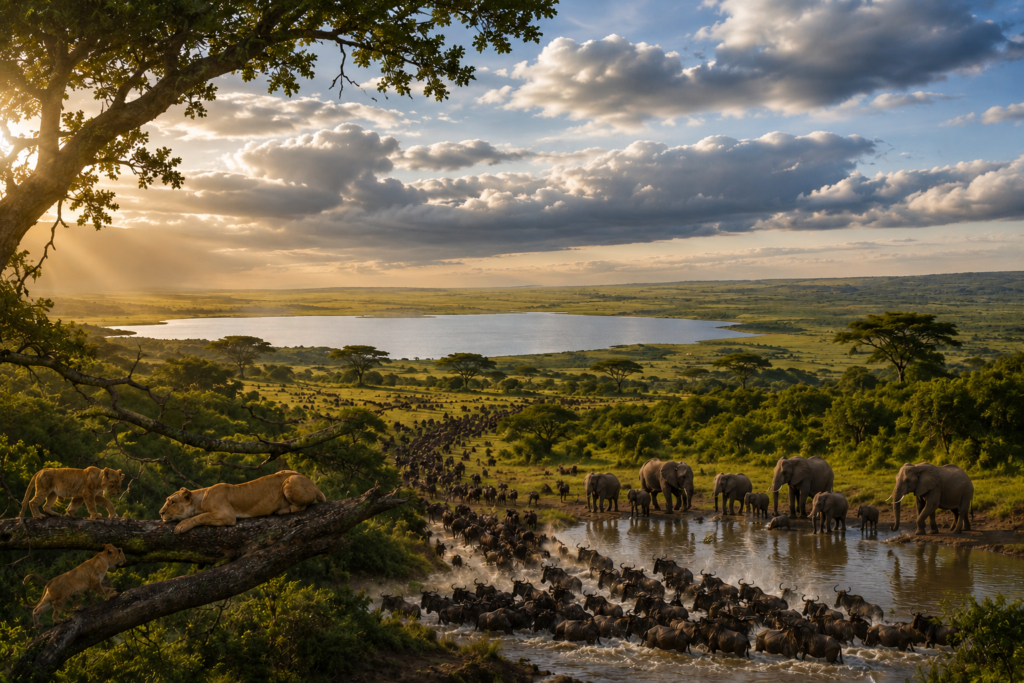
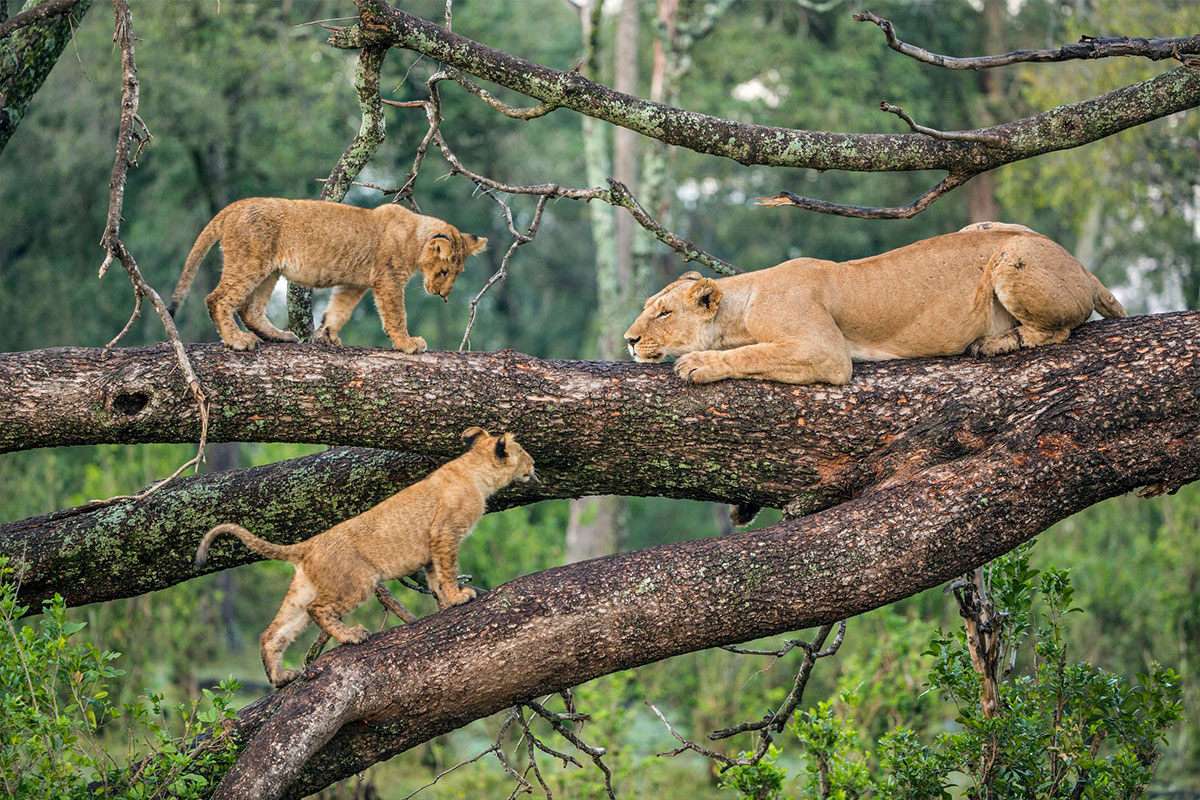
Lake Manyara National Park is renowned for its lions, particularly the individuals that sometimes rest in the branches of trees.
This behaviour is one of the park’s most talked-about wildlife attractions. Lions may climb or rest in trees for several possible reasons, including avoiding ground-level insects, seeking comfortable resting places or using elevated positions.
Tree-climbing lions are not guaranteed to appear during a safari, and the behaviour is not exclusive to Lake Manyara. Nevertheless, the park offers an exciting opportunity to search for them while exploring acacia woodland and other suitable habitats.
Experienced guides look for tracks, recent sightings and signs of lion activity as they drive through the park. Even when lions are not seen in trees, the search can lead to other wildlife encounters and a deeper understanding of predator behaviour.
Explore the Groundwater Forest
One of Lake Manyara National Park’s most remarkable habitats is its groundwater forest. Fed by water moving through the landscape from the surrounding highlands, this lush forest creates a striking contrast with the drier woodland and open areas elsewhere in the park.
Tall trees, including mahogany and fig species, form a canopy above the forest floor. The shaded environment supports blue monkeys, baboons, bushbuck and numerous forest birds.
As visitors enter the park, the transition into the forest provides a sense of entering a different ecosystem. Birds call from the trees, monkeys move through the canopy, and the vegetation creates a cool, green environment that contrasts with the sunlit plains.
The groundwater forest is especially rewarding for visitors interested in vegetation, smaller wildlife and nature photography rather than large mammals alone.
Experience the Flamingos and Waterbirds
Lake Manyara is an important destination for birdwatching, with more than 400 bird species reported in the park.
The alkaline lake can attract impressive gatherings of lesser and greater flamingos when conditions are suitable. These birds feed on algae and other small organisms in the shallow water, sometimes creating broad pink bands along the shoreline.
Other waterbirds may include pelicans, storks, herons, spoonbills and cormorants. The surrounding wetlands and floodplains provide feeding and resting areas for birds throughout the year.
Bird numbers vary according to water levels, food availability, season and other environmental conditions. A visit may reveal large congregations of flamingos or a more varied collection of waterbirds scattered across the shoreline.
For the best experience, bring binoculars, listen to your guide and allow time to observe the birds without disturbing them.
Visit the Maji Moto Hot Springs
Maji Moto, meaning “hot water” in Swahili, refers to the park’s geothermal hot springs. These thermal features occur in the southern part of the park, where heated water emerges through the ground and creates mineral-stained surfaces.
The hot springs are an interesting reminder of the geological forces that have shaped the Great Rift Valley. The region’s volcanic and tectonic history influences its landforms, thermal activity and wider landscape.
Visitors can appreciate the hot springs as a natural feature during an appropriate safari route. Access may be restricted to designated viewpoints or paths, so follow current park instructions and never approach dangerously hot water or unstable ground.
The springs are a valuable stop for travellers interested in geology, photography and the natural processes that shape East Africa’s landscapes.
Enjoy a Safari Along the Great Rift Valley Escarpment
The Great Rift Valley escarpment provides one of the most dramatic backdrops in Lake Manyara National Park. Its steep slopes rise above the lake and surrounding plains, creating striking views across the valley floor.
The escarpment is part of the wider East African Rift system, a geological region shaped by tectonic movement over millions of years.
From suitable viewpoints, visitors can appreciate the contrast between the highland slopes, wooded areas, open plains and the lake below. The changing light throughout the day can transform the landscape, making it especially rewarding for photographers.
The escarpment also contributes to the park’s range of habitats and helps create the distinctive scenery that makes Lake Manyara different from Tanzania’s more open savannah parks.
Observe Elephants, Giraffes and Other Wildlife
Lake Manyara supports a variety of large mammals, including elephants, giraffes, buffalo, zebras, wildebeest and several antelope species.
Elephants are among the park’s most impressive residents. They may be encountered moving through woodland, feeding near forest edges or crossing open areas. The park is also known for its baboons, which are often seen in large troops around suitable forest habitats.
Giraffes browse on trees in more open areas, while zebras and other grazing animals may be observed across grassland and floodplain habitats.
Hippos occupy pools and wetland areas, and predators such as lions and leopards occur in the park. Wildlife sightings depend on location, season, weather and animal movements.
Lake Manyara is particularly rewarding because different habitats can produce a wide variety of encounters during a single game drive.
Explore the Hippo Pools and Wetlands
Wetlands and hippo pools are among the park’s important wildlife habitats. These areas provide water, shelter and feeding opportunities for hippos, waterbirds and other animals.
Hippos spend much of the day in water to keep cool and protect their sensitive skin. Visitors may see their heads emerging from the water or hear their distinctive calls from the pools.
The surrounding wetland vegetation attracts herons, storks and other birds searching for fish and small aquatic animals. These areas can also provide interesting opportunities for photography and wildlife observation.
Visitors must remain at designated viewing areas and follow guide instructions. Hippos can be dangerous, and it is essential to keep a safe distance from the water and avoid approaching them on foot.
Discover Acacia Woodlands and Open Plains
Beyond the groundwater forest, the park includes areas of acacia woodland, open grassland and floodplain. These habitats support a different range of wildlife and create varied scenery throughout the safari.
Acacia trees provide browsing opportunities for giraffes and shelter for birds, while open areas can make it easier to spot grazing animals. Predators may use these landscapes to hunt or rest, although sightings are never guaranteed.
The woodland and plains also provide excellent opportunities to photograph the contrast between trees, grasses, distant escarpments and the lake.
Exploring several habitats helps visitors appreciate why Lake Manyara is considered an unusually diverse safari destination despite its smaller size compared with some other Tanzanian parks.
Walk Above the Forest on the Canopy Walkway
Lake Manyara National Park features a canopy walkway that provides an elevated perspective of the forest environment. The walkway includes suspended sections and viewing platforms that allow visitors to experience the forest from above ground level.
From the walkway, visitors can look across the vegetation, observe birds and butterflies, and gain a different perspective on the forest structure.
This experience complements a traditional game drive by focusing on the park’s smaller natural details and forest biodiversity. It may be particularly appealing to families and travellers who enjoy nature-based activities.
Availability, access arrangements and operating conditions should be confirmed before visiting, as facilities may be affected by maintenance or changing park rules.
Enjoy Birdwatching and Wildlife Photography
Lake Manyara is a rewarding destination for both dedicated birdwatchers and general wildlife photographers.
The park’s varied habitats support waterbirds, forest species, raptors and birds associated with open woodland. A guided drive may produce sightings of fish eagles, storks, herons, bee-eaters and other species.
Photographers can capture elephants beneath forest trees, giraffes against the escarpment, flamingos along the lake and monkeys moving through the canopy. The changing scenery also creates opportunities for landscape photography.
Early mornings and late afternoons can offer attractive light, although wildlife activity and viewing conditions vary.
Bring binoculars, suitable camera equipment and patience. Guides can help identify species, position the vehicle appropriately and ensure that photography does not disturb wildlife.
Experience a Guided Safari and Nature Walk
A game drive is the principal way to explore Lake Manyara National Park, allowing visitors to cover a range of habitats in a safari vehicle.
Guides help identify animals, interpret tracks and explain the relationships between vegetation, water and wildlife. They also provide important safety instructions and ensure visitors use permitted roads and viewing areas.
Where authorised and available, walking experiences offer a closer look at plants, insects, animal tracks and other details that are easily missed from a vehicle. Visitors should confirm which walking activities are permitted and whether they require a ranger or separate booking.
A combination of guided game drives and suitable nature activities provides a fuller understanding of the park’s ecological diversity.
Explore Mto wa Mbu and Local Culture
Mto wa Mbu is a town near Lake Manyara National Park and serves as an important gateway for visitors exploring the northern Tanzania safari circuit.
The area offers opportunities to learn about local livelihoods, farming, food, crafts and cultural traditions. Depending on the operator, visitors may be able to arrange guided village walks, local food experiences, market visits or cycling excursions.
These experiences can complement a wildlife safari by providing a perspective on everyday life beyond the park boundary.
Cultural visits should be organised respectfully with local guides and community partners. Visitors should ask before taking photographs of people and support locally owned businesses where possible.
Combine Lake Manyara with Tanzania’s Northern Safari Circuit
Lake Manyara’s location makes it easy to combine with several of Tanzania’s most famous destinations.
Tarangire National Park is known for its elephants, baobab trees and seasonal concentrations of wildlife. Ngorongoro Conservation Area offers spectacular crater scenery and a high diversity of wildlife. Serengeti National Park is internationally renowned for its expansive plains, predators and the Great Migration.
A Lake Manyara visit can provide a scenic and wildlife-rich stop between these destinations. Travellers with limited time may choose a day safari, while those seeking a slower itinerary can spend a night or more in the surrounding area.
The best route depends on the arrival airport, travel dates, accommodation preferences and the time available for wildlife viewing.
Responsible Tourism and Conservation
Lake Manyara National Park protects important forest, wetland, woodland and lake habitats. Responsible tourism helps safeguard these environments and the wildlife that depends on them.
Visitors should remain on designated roads and permitted paths, avoid littering, never feed baboons or monkeys, and keep a safe distance from elephants, hippos and other wildlife.
The park’s wetlands and groundwater forests are particularly important ecological features. Protecting them helps maintain habitats for birds, primates and other animals while supporting the wider Rift Valley landscape.
Visitors can contribute by following ranger instructions, choosing responsible safari operators and respecting local communities when taking part in cultural activities.
Why Visit Lake Manyara National Park?
Lake Manyara National Park combines a remarkable variety of habitats with accessible wildlife viewing and some of Tanzania’s most recognisable safari scenery.
Its tree-climbing lions, groundwater forest, baboon troops, elephants, flamingos, hot springs and dramatic escarpment create a diverse experience within a relatively compact park.
For travellers exploring northern Tanzania, Lake Manyara offers a valuable opportunity to enjoy wildlife and scenery while travelling between other major safari destinations. It is suitable for day visits and longer itineraries, with options for birdwatching, photography, cultural experiences and guided nature activities.
A visit to Lake Manyara reveals a different side of the African safari: one where forest, water, wildlife and dramatic geology come together beneath the Great Rift Valley escarpment.
Main Attractions
01
Lake Manyara: A shallow alkaline lake that attracts flamingos and other waterbirds when conditions are suitable.
02
Tree-Climbing Lions: The park’s best-known wildlife attraction, although sightings in trees are never guaranteed.
03
Groundwater Forest: A lush forest of tall trees that supports blue monkeys, baboons, bushbuck and forest birds.
04
Great Rift Valley Escarpment: Dramatic cliffs and viewpoints overlooking the lake and valley floor.
05
Maji Moto Hot Springs: Geothermal features and mineral-stained ground in the southern part of the park.
06
Hippo Pools and Wetlands: Important aquatic habitats for hippos, waterbirds and other wildlife.
07
Acacia Woodlands: Habitat for giraffes, birds, antelopes and the park’s famous lions.
08
Open Plains and Floodplains: Areas where visitors may see zebras, wildebeest, buffalo and other grazing mammals.
09
Canopy Walkway: An elevated forest experience offering views of vegetation, birds and butterflies, subject to current access.
10
Birdwatching Areas: More than 400 bird species have been reported across the park’s forests, wetlands, lake and woodland habitats.
11
Elephant Habitat: Opportunities to observe elephants moving through woodland and other suitable areas.
12
Scenic Viewpoints: Locations offering panoramic views of the Rift Valley landscape and the lake.
13
Forest Wildlife: Blue monkeys, baboons and other animals found in the park’s groundwater forest.
14
Mto wa Mbu Cultural Gateway: A nearby town offering opportunities for local food, markets and guided cultural experiences.
Things To Do
01
Take a guided game drive through the park.
02
Search for tree-climbing lions.
03
Observe elephants, giraffes, buffalo, zebras and antelopes.
04
Visit designated viewpoints overlooking Lake Manyara.
05
Enjoy birdwatching along the lake and in the groundwater forest.
06
Photograph flamingos and other waterbirds when present.
07
Explore the canopy walkway, subject to current availability.
08
Observe hippos from authorised viewing points.
09
Visit the Maji Moto hot springs from permitted areas.
10
Photograph the Great Rift Valley escarpment and surrounding landscape.
11
Explore forest habitats and observe primates.
12
Enjoy a picnic at a designated site.
13
Join an authorised walking or nature experience where available.
14
Take part in a guided cultural visit around Mto wa Mbu.
15
Combine Lake Manyara with Tarangire, Ngorongoro and Serengeti on a multi-day safari.
 big five wildlife safari