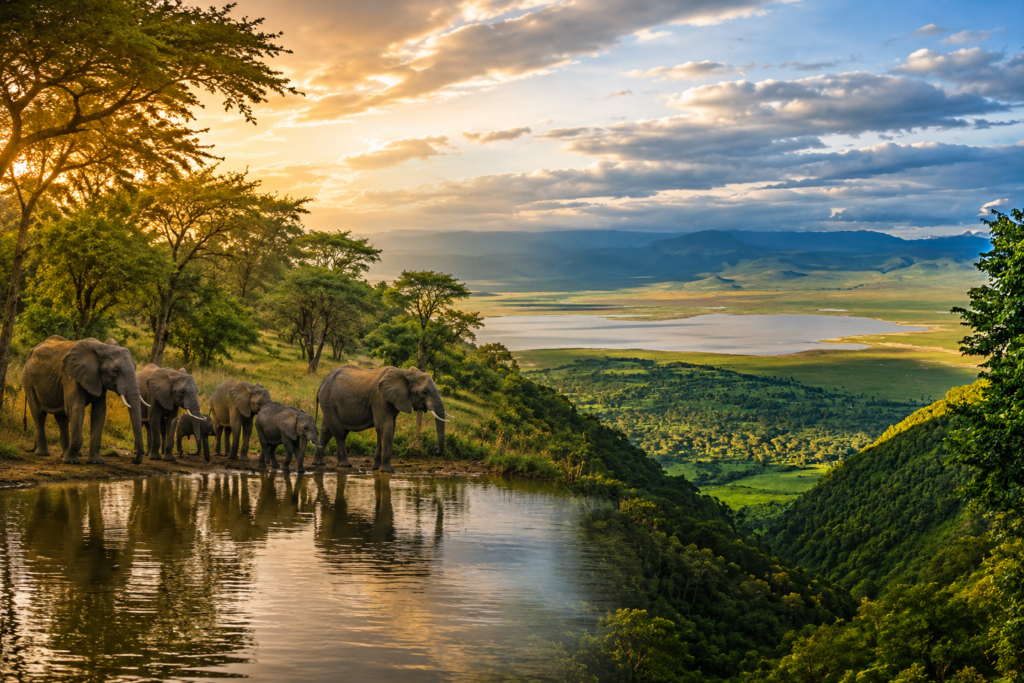
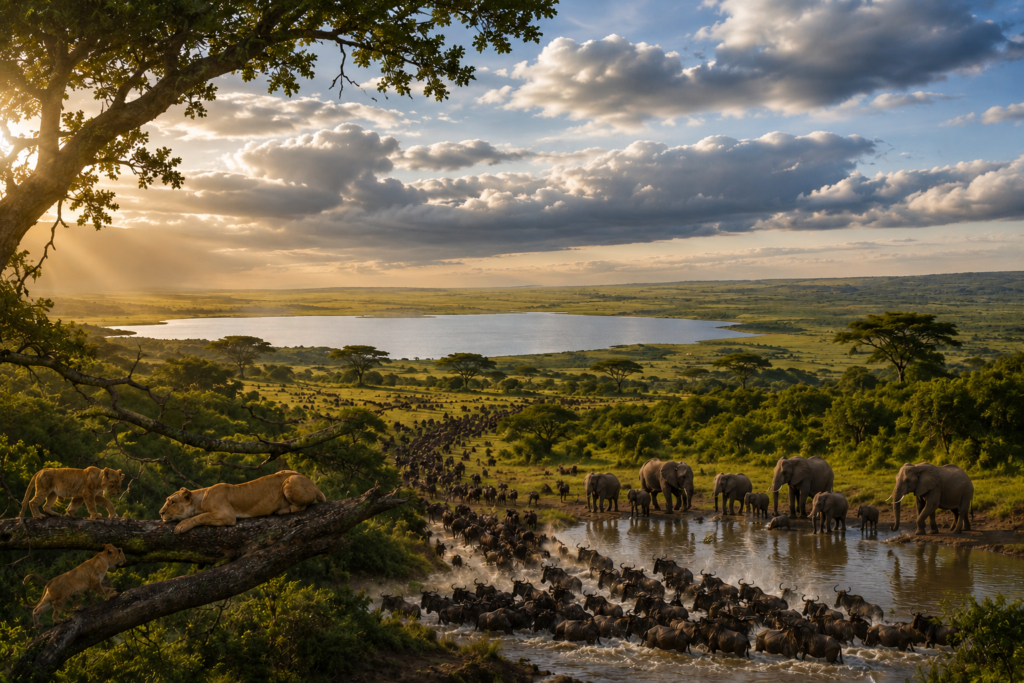
Nyerere National Park is one of Africa’s most remarkable wilderness destinations, offering vast landscapes, exceptional wildlife encounters and a safari experience shaped by the life-giving waters of the Rufiji River. Located in southern Tanzania, the park protects an immense area of African wilderness where winding waterways, seasonal lakes, open floodplains, palm-fringed riverbanks and expansive woodlands create a diverse habitat for wildlife.
Established in 2019 from the northern photographic tourism sector of the former Selous Game Reserve, Nyerere National Park carries the name of Julius Nyerere, Tanzania’s founding president. It forms part of the wider Selous ecosystem, a landscape renowned for its wildlife populations, ecological importance and long history of conservation.
Unlike some of Tanzania’s more heavily visited safari destinations, Nyerere offers a sense of remoteness and space. Its immense size allows visitors to experience varied landscapes and wildlife habitats, while selected areas along the Rufiji River provide opportunities for boat safaris that are unusual among Africa’s major safari parks.
The park is particularly renowned for elephants, lions, buffalo, giraffes, hippos, crocodiles and African wild dogs. Its combination of traditional game drives, river excursions and guided walking safaris makes it an excellent destination for travellers seeking a varied safari adventure.
Whether you are planning a luxury wildlife holiday, a photographic safari, a honeymoon in the African wilderness or a multi-day adventure through southern Tanzania, Nyerere National Park offers a distinctive experience built around wildlife, landscapes and the freedom of exploring a vast natural environment.
Explore the Vast Wilderness of Nyerere National Park
Nyerere National Park covers approximately 30,000 square kilometres, making it one of Africa’s largest national parks. Its enormous size encompasses a mosaic of habitats, including miombo woodland, open grassland, riverine forest, seasonal wetlands, floodplains and river channels.
This variety of environments supports different wildlife communities and creates constantly changing scenery throughout a safari. Visitors may travel through open plains where giraffes and antelopes graze, enter woodland where elephants move between feeding areas, or reach riverbanks where hippos and crocodiles rest near the water.
The park’s scale is one of its greatest attractions. Travellers can experience long stretches of wilderness, dramatic natural scenery and the excitement of searching for wildlife in a landscape that remains vast and relatively remote.
A well-planned safari should allow enough time to explore more than one habitat. Spending several nights in the park can provide opportunities for game drives, boat excursions and other activities without rushing between destinations.
Discover the Rufiji River
The Rufiji River is the defining natural feature of Nyerere National Park. As one of Tanzania’s major river systems, it supports extensive wetlands, connected lakes, floodplains and riverine vegetation that sustain a remarkable diversity of wildlife.
The river creates an ever-changing landscape of sandbanks, channels, palm-covered islands and sheltered waterways. During boat safaris, visitors can observe the environment from the water, gaining a perspective that is very different from a conventional vehicle-based safari.
Hippos may be seen resting in the water, crocodiles basking on exposed banks, and birds searching for fish along the shoreline. Elephants and other mammals sometimes visit the river to drink, particularly during drier periods.
The Rufiji is also an important part of the wider ecosystem, influencing seasonal movements and the availability of water and food. Its changing water levels affect which channels are accessible and where wildlife congregates.
For many visitors, a boat safari on the Rufiji is the defining Nyerere experience and one of the strongest reasons to choose this park for a Tanzanian safari.
Experience a Boat Safari on the Rufiji River
A boat safari provides an exceptional way to explore Nyerere National Park. Rather than viewing wildlife only from a safari vehicle, visitors travel along selected river channels and lakes, observing animals from a water-level perspective.
During an excursion, you may see hippos emerging to breathe, crocodiles resting along muddy banks, fish eagles perched in trees and kingfishers searching for prey. Depending on conditions, elephants and buffalo may also be spotted near the water.
Boat trips are particularly rewarding for photographers and birdwatchers because the river offers opportunities to observe animals and birds in their natural habitat without the need to drive across open plains.
Early-morning and late-afternoon excursions can offer attractive light and comfortable conditions, although departure times depend on the lodge, operator and weather.
Boat safaris must always be conducted with appropriate safety equipment and experienced operators. Wildlife sightings are never guaranteed, and the available routes depend on water levels and local conditions.
Search for African Wild Dogs
Nyerere National Park is one of Tanzania’s important strongholds for the endangered African wild dog, also known as the African painted dog.
These highly social carnivores live in packs and are known for their coordinated hunting strategies, long-distance movements and distinctive coats of black, tan, white and brown patches.
Unlike lions, which often depend on ambush and group hunting, African wild dogs can travel considerable distances while searching for prey. Their movements and hunting behaviour make encounters particularly exciting for safari visitors.
The park’s extensive woodlands and open habitats provide important space for these animals, while conservation programmes and anti-poaching efforts help protect their future.
Wild dogs can be difficult to locate because they move over large territories and their sightings depend on pack movements. A knowledgeable guide can improve the chances of finding them by interpreting tracks, recent sightings and habitat conditions.
For wildlife enthusiasts, the possibility of encountering African wild dogs is one of Nyerere’s most compelling attractions.
Enjoy Big Five and Big-Game Wildlife Viewing
Nyerere National Park supports a rich variety of large mammals, making it an outstanding destination for wildlife photography and traditional African game drives.
Elephants are among the park’s most impressive residents. Visitors may encounter individuals or herds moving through woodland, crossing open areas or gathering near water.
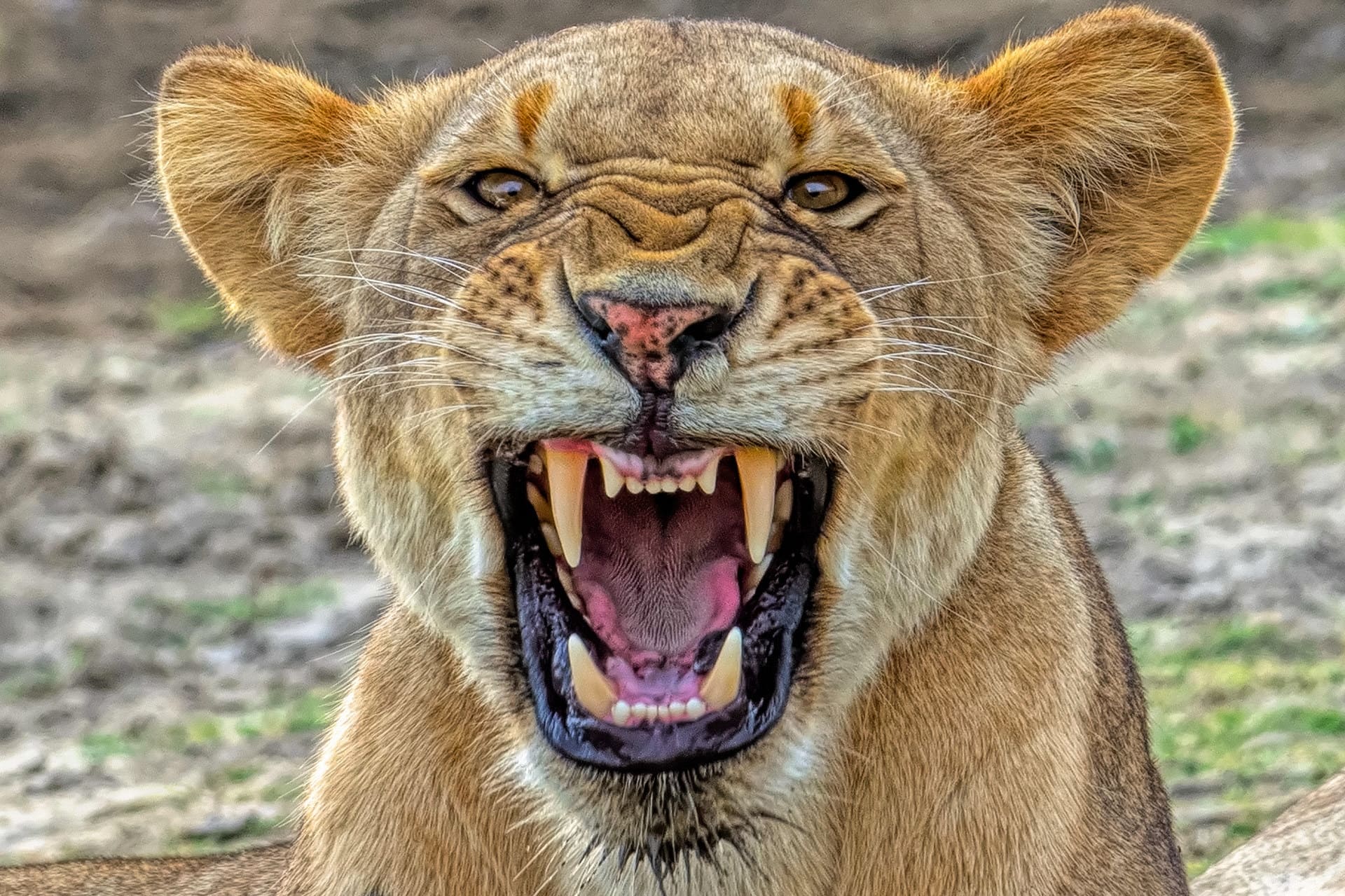
Lions inhabit the park’s varied landscapes, while leopards may be encountered in suitable habitats, although they are often difficult to spot. Buffalo move through grasslands and woodland, and numerous antelope species provide an important food source for predators.
The park is also home to giraffes, zebras, wildebeest, waterbuck, impala, warthogs and other herbivores. Hippos and crocodiles are particularly associated with the Rufiji River and its connected waterways.
Nyerere is not a destination where every animal can be guaranteed on a single drive. Instead, its appeal lies in the variety of habitats, the chance of unexpected encounters and the opportunity to observe wildlife in a vast natural setting.
Explore the Riverine Forests and Palm-Fringed Landscapes
The scenery of Nyerere National Park changes dramatically as visitors move between the river, floodplains and woodland.
Along the Rufiji, riverine vegetation creates shaded corridors of trees, shrubs and palms. These areas provide shelter, feeding opportunities and travel routes for animals, while offering attractive settings for photography.
Palm-fringed waterways contrast with open floodplains and drier woodland interiors. The combination creates some of the park’s most distinctive scenery, particularly where the river divides into channels and surrounds small islands.
Visitors may also encounter areas of seasonal vegetation where the appearance of the landscape changes with rainfall and river levels.
The diversity of these habitats makes Nyerere especially rewarding for travellers who appreciate nature beyond the search for large mammals. The landscapes themselves form an important part of the safari experience.
Discover Lakes, Floodplains and Seasonal Wetlands
The Rufiji River system includes connected lakes, oxbow lakes, seasonal wetlands and floodplains that provide essential habitat for wildlife.
These environments attract animals seeking water and vegetation, especially as the dry season progresses. Hippos and crocodiles are closely associated with aquatic habitats, while antelopes, elephants and buffalo may gather along the margins to drink or feed.
Wetlands also support rich birdlife, including water-associated species that search for fish, amphibians and other food sources.
The appearance of the lakes and floodplains varies with rainfall. During wetter periods, water spreads across larger areas and vegetation becomes lush. In drier conditions, animals may concentrate around remaining water sources, potentially improving wildlife-viewing opportunities in suitable areas.
Access to individual lakes and channels depends on the safari route, season and operator. A guided excursion helps visitors understand how these waterways shape the ecology of the park.
Enjoy a Guided Walking Safari
A walking safari offers a more intimate way to experience the African bush. Accompanied by an authorised and appropriately equipped guide or ranger, visitors explore selected areas on foot, paying attention to details that are often missed from a vehicle.
Rather than focusing exclusively on large animals, walking safaris reveal animal tracks, dung, plants, insects, birds and other evidence of life in the wilderness.
Guides can explain how animals use their surroundings, how vegetation changes across habitats and how smaller natural features contribute to the ecosystem.
Walking safaris are conducted under strict safety procedures, and visitors must follow all instructions from their guide. Routes and departure times depend on local conditions, wildlife movements and park regulations.
This experience is particularly suited to travellers who want to deepen their understanding of the bush and enjoy the sights, sounds and textures of the landscape at a slower pace.
Experience Day and Night Game Drives
Game drives are one of the main ways to explore Nyerere National Park. Safari vehicles travel along designated tracks through woodland, grassland, floodplains and selected riverine areas in search of wildlife.
Daytime drives offer opportunities to observe elephants, giraffes, antelopes, buffalo and predators. Early mornings and late afternoons are often productive periods because temperatures are more comfortable and many animals are active.
Night game drives, where authorised and available through the relevant operator, provide a different perspective on the park. Visitors may search for nocturnal animals such as genets, civets and other small carnivores, as well as observe the behaviour of species that are less active during the day.
Night drives require suitable vehicles, lighting and experienced guides, and they are not necessarily available from every accommodation property.
Combining different safari periods can provide a more varied experience and help visitors appreciate the park’s wildlife beyond daylight hours.
Discover Nyerere’s Exceptional Birdlife
Nyerere National Park is an excellent destination for birdwatching, with more than 430 bird species reported by Tanzania’s national parks authority.
The park’s varied habitats support waterbirds, woodland species, raptors, migratory birds and birds associated with riverine vegetation.
Along the Rufiji, visitors may see African fish eagles, kingfishers, bee-eaters and other species searching for food near the water. Wetlands and lakes support birds adapted to aquatic environments, while open habitats and woodlands offer opportunities to observe different groups of birds.
Birdwatching can be incorporated into boat safaris, game drives and selected walking experiences. Travellers with a special interest in birds may wish to arrange a dedicated birding guide and bring binoculars and a field guide.
Species sightings vary by season, habitat and local conditions. Even visitors who are not specialist birdwatchers can appreciate the variety of calls, colours and behaviours that add life to the park’s landscapes.
Explore Stiegler’s Gorge and the Wider Rufiji Landscape
Stiegler’s Gorge is a dramatic geographical feature associated with the Rufiji River, where the river passes through a narrower section of the landscape.
The gorge forms part of the wider natural and hydrological setting of the region. Its surrounding landscape illustrates the scale and complexity of the Rufiji system, which is central to the ecology and development of southern Tanzania.
The area has also been affected by major hydropower development, including the Julius Nyerere Hydropower Project. Visitors should therefore not assume that all viewpoints or sections of the gorge are freely accessible as ordinary safari attractions.
If including Stiegler’s Gorge in an itinerary, confirm current access arrangements with Tanzania National Parks or an authorised operator. The broader Rufiji landscape remains important for understanding the relationship between wildlife conservation, water resources and infrastructure development.
Experience a Bush Meal in the African Wilderness
Some safari lodges and camps offer bush meals in selected outdoor locations, allowing guests to enjoy a meal surrounded by the sights and sounds of the African landscape.
Depending on the accommodation and itinerary, this may take the form of breakfast, lunch or another planned meal served in a designated area.
Bush meals can add a memorable element to a safari, especially when combined with a morning game drive or a day spent exploring the park.
These experiences are subject to safety rules, location permissions, weather and the facilities available through the lodge. They should always be arranged by the accommodation provider or authorised safari operator rather than organised independently in wildlife areas.
Discover the History of the Selous Landscape
Nyerere National Park forms part of the wider Selous conservation landscape, one of the most historically significant protected areas in Tanzania.
The former Selous Game Reserve was named after Frederick Selous, a British hunter and writer who later became involved in conservation. The reserve developed a long and complex history, including wildlife protection, hunting, conservation management and tourism.
In 2019, a large northern section of the former reserve was designated Nyerere National Park. The name honours Julius Nyerere, Tanzania’s first president, whose legacy is closely connected to the country’s modern history.
The remaining Selous Game Reserve continues to have a separate protected-area status and management arrangements. The two names are therefore related, but they should not be used interchangeably when describing the current park boundaries.
Understanding this history helps visitors appreciate the scale of conservation in southern Tanzania and the ongoing challenge of protecting wildlife across such an extensive landscape.
Responsible Tourism and Wildlife Conservation
Nyerere National Park protects important wildlife populations, river systems and habitats that are essential to the wider Selous ecosystem.
Responsible tourism helps support conservation through authorised guiding, park fees, local employment and the services provided by camps and operators. Visitors can contribute by respecting wildlife distances, staying on permitted tracks, avoiding litter and following the instructions of guides and rangers.
Wild animals should never be fed or approached independently. Walking safaris must be conducted with authorised personnel, and visitors should follow safety instructions during boat excursions.
The park’s conservation priorities include protecting habitats, supporting anti-poaching efforts, maintaining wildlife corridors and working with neighbouring communities. The Rufiji River is particularly important because it supports wildlife while also serving wider ecological and human needs.
Travellers can support responsible tourism by choosing operators who follow park regulations, treat wildlife ethically and provide clear information about their activities and conservation practices.
Why Visit Nyerere National Park?
Nyerere National Park offers a distinctive safari experience that combines vast wilderness, rich wildlife and the opportunity to explore Africa by vehicle, boat and on foot.
Its enormous landscapes, river systems and varied habitats create excellent opportunities for wildlife observation, while the Rufiji River adds an element rarely found in many traditional safari destinations. The possibility of seeing African wild dogs, elephants, hippos, crocodiles, lions and hundreds of bird species makes the park especially appealing to wildlife enthusiasts.
For travellers seeking a less conventional Tanzanian safari, Nyerere can be a rewarding alternative or complement to destinations in the northern safari circuit. It can also be combined with other southern Tanzania experiences and coastal stays, depending on travel time and budget.
Whether you choose a luxury riverside camp, a multi-day photographic safari or a guided adventure through the park’s diverse landscapes, Nyerere offers a memorable opportunity to experience one of Tanzania’s great wilderness areas.
Main Attractions
01
Rufiji River: The park’s defining waterway, with river channels, sandbanks, palm-fringed banks and excellent opportunities for boat safaris.
02
African Wild Dogs: One of the park’s major conservation highlights and an exciting species to search for on guided game drives.
03
Elephant Populations: Opportunities to observe elephants moving through woodland, floodplains and areas near water.
04
Lions and Other Predators: A chance to search for lions, leopards, hyenas and other carnivores across suitable habitats.
05
Hippos and Crocodiles: Iconic aquatic wildlife associated with the Rufiji River and connected lakes.
06
Riverine Forests: Shaded corridors of vegetation and trees supporting wildlife and offering scenic photography opportunities.
07
Floodplains and Wetlands: Seasonal habitats attracting mammals, birds and other wildlife.
08
Connected Lakes and Oxbow Lakes: Water bodies within the Rufiji system that support aquatic life and influence seasonal wildlife movements.
09
Miombo Woodlands: Extensive woodland habitats supporting elephants, antelopes, predators and birdlife.
10
Birdwatching Areas: More than 430 bird species have been reported in the park, including fish eagles, kingfishers, bee-eaters and wetland birds.
11
Stiegler’s Gorge Region: A dramatic section of the Rufiji landscape whose current access arrangements should be confirmed before visiting.
12
Historic Selous Landscape: The wider conservation area from which Nyerere National Park was established in 2019.
13
Open Grasslands and Plains: Areas suitable for searching for giraffes, zebras, antelopes and other grazing wildlife.
14
Guided Walking Safari Areas: Selected routes for exploring tracks, plants, smaller wildlife and the bush on foot with authorised guides.
15
Rufiji River Sunset Views: Scenic opportunities for photography during boat excursions and suitable riverside activities.
Things To Do
01
Take a guided game drive through woodland, grassland and floodplain habitats.
02
Enjoy a boat safari on selected sections of the Rufiji River.
03
Search for African wild dogs with an experienced safari guide.
04
Observe elephants, buffalo, giraffes, zebras and antelopes.
05
Look for lions, leopards and other predators.
06
Observe hippos and crocodiles from an authorised boat excursion.
07
Join a guided walking safari where available.
08
Enjoy birdwatching across riverine, wetland and woodland habitats.
09
Photograph wildlife, landscapes and river scenery.
10
Take a night game drive where permitted and offered by the operator.
11
Experience a bush meal arranged by your safari camp.
12
Explore the park’s riverine vegetation and palm-fringed waterways.
13
Learn about the history of the former Selous Game Reserve.
14
Enjoy a multi-day safari combining boat trips and game drives.
15
Experience a seasonal wildlife-viewing itinerary tailored to the park’s changing conditions.
16
Arrange a fly-in safari using an appropriate park airstrip.
17
Enjoy a guided photographic safari.
18
Combine Nyerere with other Tanzanian wildlife or coastal destinations.
 big five wildlife safari